Svalbard Luxury Vacation
There are places you visit, and there are places that make you feel as though you have travelled to another planet.
Svalbard belongs firmly in the second category.
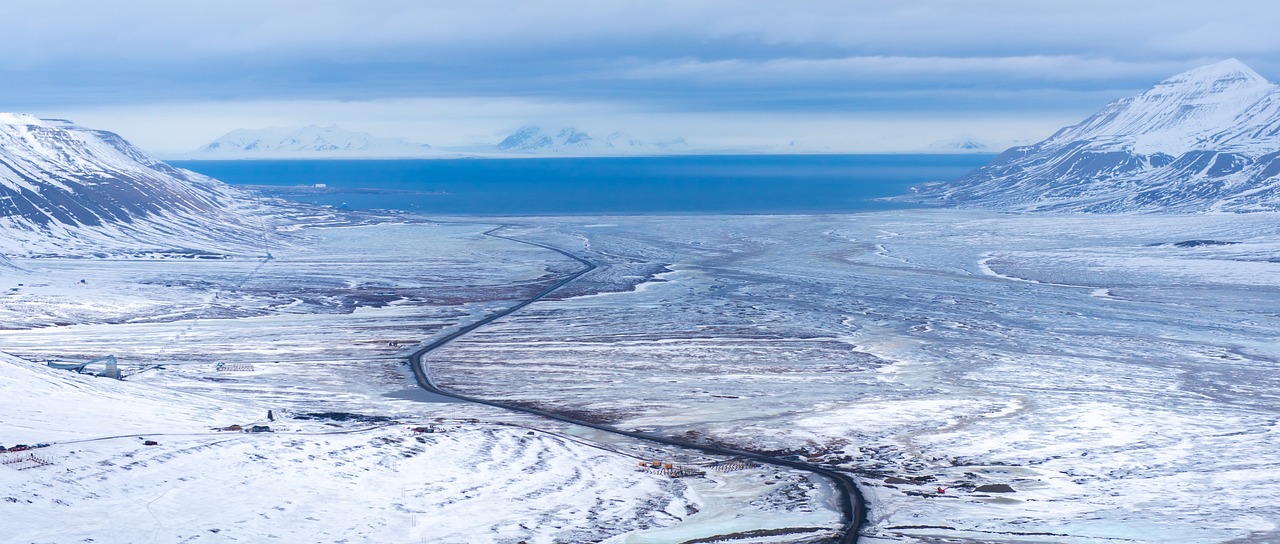
At 78 degrees north, roughly halfway between mainland Norway and the North Pole, the Svalbard archipelago is a world of immense glaciers, jagged mountains, frozen fjords and seemingly endless Arctic wilderness. Here, the landscape is still the dominant force. There are no highways connecting remote settlements, no large resort complexes and no crowds moving from one attraction to the next.
Instead, there is silence.
There is the sound of a snowmobile crossing a frozen valley, the distant crack of a glacier calving into the sea, the excitement of spotting a walrus from a small expedition boat and, in winter, the extraordinary possibility of seeing the Northern Lights dancing above the mountains.
Svalbard is not luxury in the conventional sense. It does not try to compete with Paris, the Maldives or the great five-star resorts of the world. Its luxury is something far more difficult to create: space, isolation, authenticity and access to one of the last great wildernesses in Europe.
And the remarkable thing is that you can experience all of this while staying in a comfortable hotel, enjoying excellent food and returning from an Arctic adventure to a warm bed and a glass of wine.
A World at 78 Degrees North
Svalbard is a Norwegian Arctic archipelago stretching between approximately 74 and 81 degrees north. Its largest island is Spitsbergen, where the settlement of Longyearbyen has become the natural gateway to the High Arctic.
The geography is spectacular. Mountains rise directly from the sea, glaciers descend towards fjords and enormous stretches of tundra remain untouched. The highest mountain in the archipelago, Newtontoppen, reaches 1,713 metres above sea level.
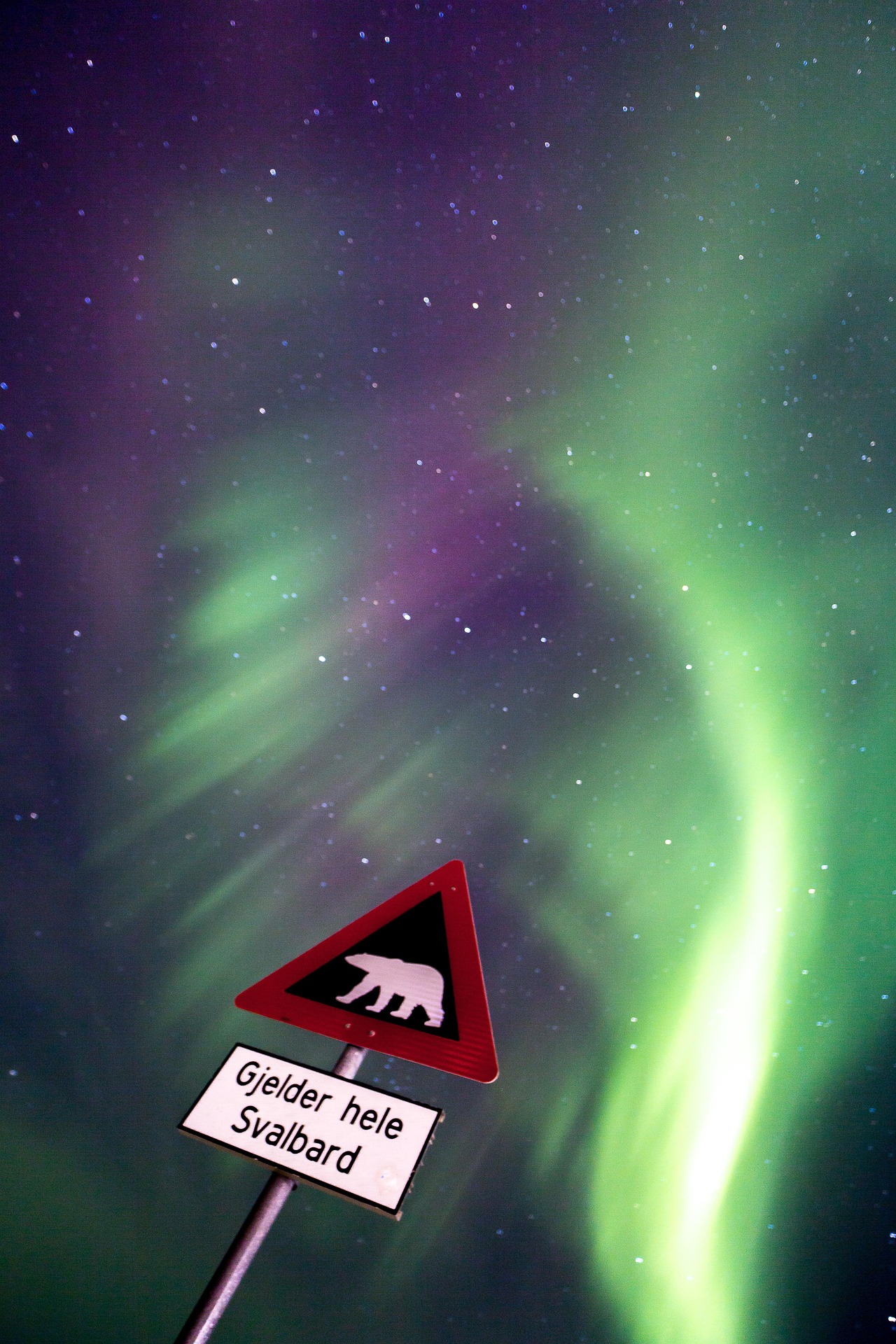
Longyearbyen itself is an extraordinary place to arrive. It is small enough to feel intimate, yet sophisticated enough to provide quality hotels, restaurants, galleries, shops and a surprisingly interesting cultural scene. The settlement sits at the head of Adventfjorden, surrounded by steep mountains and glaciers. At 78 degrees north, it is only around 1,316 kilometres from the North Pole.
What makes Svalbard particularly fascinating is the contrast between civilisation and wilderness.
You can have dinner at one of the area’s excellent restaurants in the evening and, only a few hours later, find yourself far outside the settlement, surrounded by mountains and snow with nothing but the Arctic sky above you.
That contrast is the essence of Svalbard.
The Northern Lights – An Experience Unlike Anywhere Else
For many travellers, the Northern Lights are the reason to come to Svalbard.
But the Arctic archipelago offers a slightly different experience from northern Norway, Iceland or Finland. During the Polar Night, Svalbard can experience periods of complete darkness, creating extraordinary conditions for observing the aurora.
The Northern Lights winter officially runs from October 1 to February 28, while the darkest period of the Polar Night extends from approximately mid-November until late January.
And there is something particularly surreal about the possibility of seeing the aurora during the day.
Svalbard is one of the few inhabited places where the combination of prolonged darkness and Arctic conditions makes daytime aurora sightings possible. When the sky is clear and the solar conditions cooperate, the Northern Lights can appear above a landscape that is already almost monochromatic.
The best way to experience it is not from the window of a hotel.
Instead, head into the wilderness.
A guided snowmobile safari can take you away from the lights of Longyearbyen and into the valleys surrounding the settlement. Another option is a dog-sledding expedition, where the only sound breaking the silence may be the breathing of the huskies and the runners moving across the snow.
For a more comfortable experience, some excursions use snowcats, allowing travellers to explore the winter landscape without having to operate a snowmobile themselves. Northern Lights experiences can also be combined with wilderness dinners, photography and guided walks.
There is something particularly luxurious about returning from such an excursion to a warm hotel, taking a long shower and enjoying dinner while the mountains outside disappear into darkness.
Dog Sledding Through the Arctic Wilderness
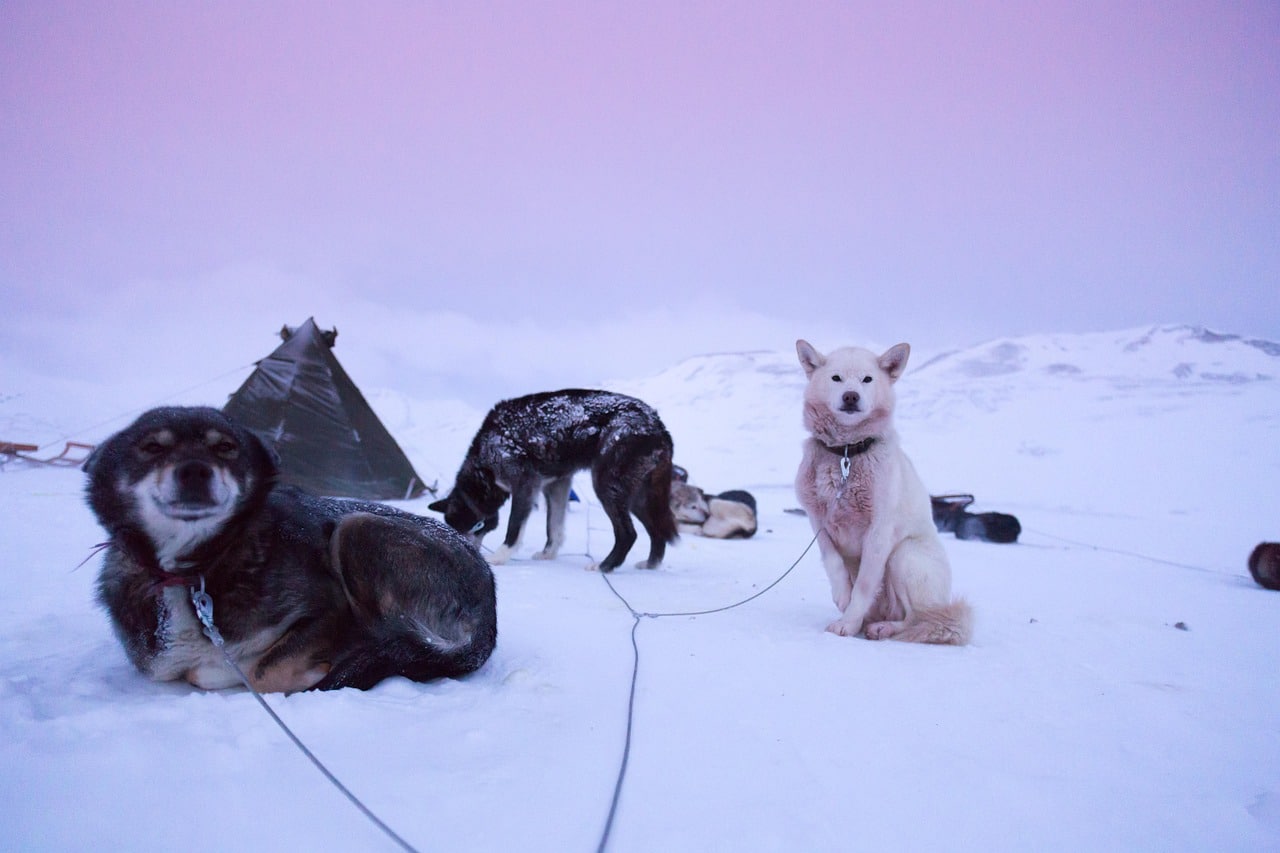
Few Arctic experiences feel as timeless as travelling by dog sled.
The first thing that strikes you is the energy of the dogs. The huskies seem almost impatient to get moving, and once the sled begins to glide across the snow, the atmosphere changes completely.
The world becomes quiet.
Dog sledding is available throughout the year on Svalbard. In winter, the traditional sled travels across snow-covered terrain, while specially adapted wheeled sleds are used during the summer months. Some excursions last only a few hours, while more ambitious travellers can choose full-day or multi-day expeditions.
For a luxury traveller, I would choose a longer excursion rather than simply ticking dog sledding off a list of activities.
The real pleasure is allowing the landscape to unfold slowly.
A good guide can take you into one of the valleys outside Longyearbyen, perhaps stopping at a remote cabin for lunch or combining the journey with a visit to an ice cave. During the Northern Lights season, an evening expedition beneath the aurora can become one of those travel memories that remain vivid for decades.
The experience also provides an unusually intimate connection with the animals. The dogs are not simply a means of transportation; they are an integral part of the experience, and many tours allow guests time with the dogs and puppies before or after the expedition.
Snowmobile Into the Unknown
If dog sledding represents the traditional Arctic, the snowmobile represents its modern counterpart.
For many visitors, a snowmobile safari is the best way to appreciate the sheer scale of Svalbard. Once outside Longyearbyen, the settlement disappears surprisingly quickly and the landscape opens into enormous valleys surrounded by mountains.
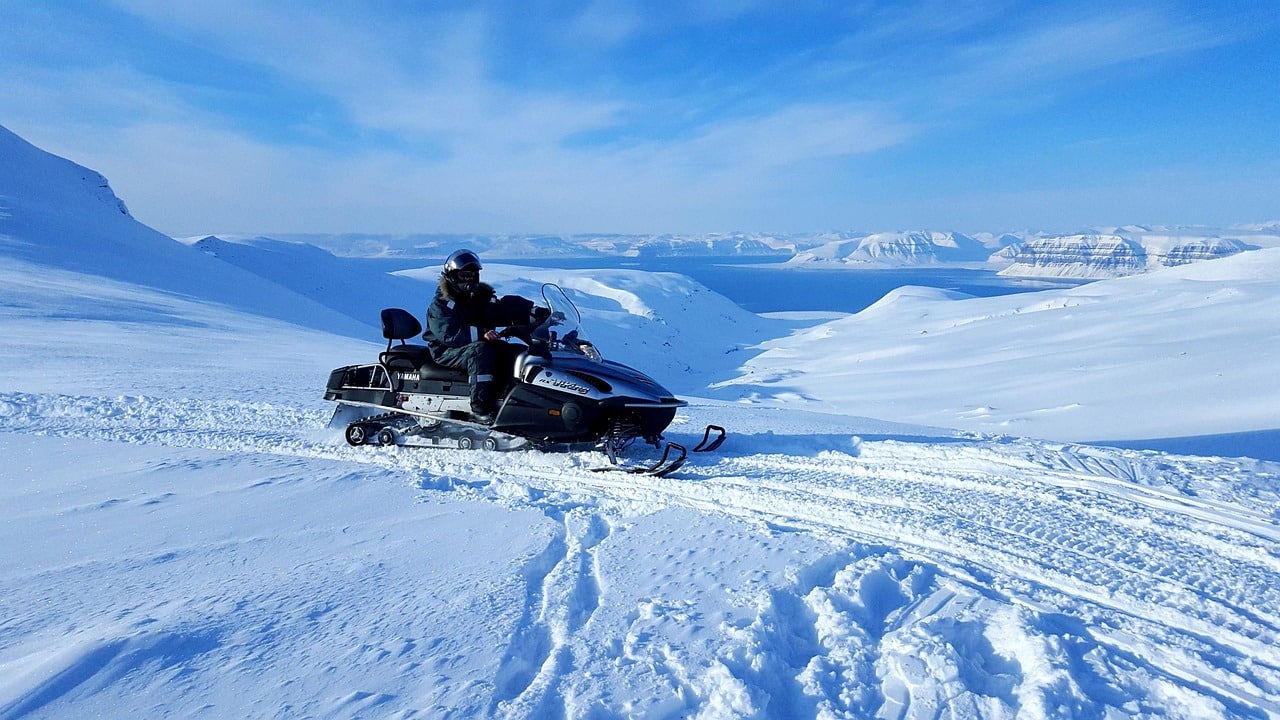
During the Sunny Winter, from March through May, the return of daylight transforms the experience. The sun gradually climbs higher above the horizon and the landscape becomes a mixture of blue shadows and brilliant white snow.
This is arguably one of the best times to explore Svalbard.
There is enough snow for winter activities, but increasingly long days provide spectacular light for photography. Full-day snowmobile trips can venture deep into the surrounding landscape, while shorter excursions are suitable for travellers who simply want a taste of Arctic exploration. Visit Svalbard lists snowmobile excursions among the principal winter activities available around Longyearbyen.
The luxury version of the experience is to combine the journey with a private guide, a carefully prepared wilderness lunch and perhaps an overnight stay at a remote lodge or cabin.
The Arctic becomes less of an excursion and more of a private expedition.
Into the Ice: Exploring Svalbard’s Glaciers
Svalbard has an extraordinary concentration of glaciers, and getting close to one is an experience that gives the landscape a completely different scale.
During the winter season, guided excursions can take visitors into ice caves beneath glaciers. These underground spaces are constantly changing, shaped by meltwater and movement within the ice.
The colours can be astonishing. Instead of the white landscape outside, the interior of a glacier can appear blue, turquoise and almost translucent.
Entering an ice cave is not an experience that should ever be attempted independently. The Arctic environment is unforgiving, and glacier conditions can change rapidly. Guided tours with professional local operators are essential.
For those visiting during the warmer months, the perspective changes completely. Boat excursions provide the opportunity to approach glacier fronts from the sea, sometimes combining the journey with wildlife watching and meals served in the wilderness.
There is something humbling about sitting in a small boat beneath an enormous wall of ice.
You suddenly realise how insignificant the human scale is here.
A Sea Safari in the High Arctic
Summer transforms Svalbard.
The snow retreats from parts of the landscape, the tundra begins to develop colour and the fjords become accessible to boats. From May through September, the archipelago enters its Polar Summer, with the Midnight Sun providing almost continuous daylight.
This is the season for sea safaris.
A small expedition boat or RIB can take you along the coastline to dramatic bird cliffs, glacier fronts and remote beaches. Depending on the route and conditions, encounters with Arctic wildlife can include walruses, seals and whales.
A walrus encounter is particularly memorable.
Seeing one of these enormous animals resting on the ice or hauled out along the shore is very different from seeing wildlife in a zoo or conventional safari setting. The encounter is entirely dependent on nature, which is precisely what makes it special.
For travellers with a taste for adventure but a preference for comfort, a private boat excursion is one of the finest ways to experience Svalbard.
Rather than joining a large group, a private charter allows the day to develop around your interests. You might spend longer photographing a glacier, explore a quiet fjord or simply stop for lunch surrounded by nothing but mountains and sea.
The experience can feel remarkably exclusive.
Kayaking Beneath the Midnight Sun
There are few more beautiful ways to experience the Arctic summer than from the water.
Imagine launching a kayak in the evening and discovering that the sun is still illuminating the mountains. The sea is calm, the air is cool and the surrounding landscape appears almost completely untouched.
Kayaking is among the popular summer activities on Svalbard, alongside hiking and boat excursions.
For experienced paddlers, multi-hour excursions can provide an intimate perspective on the coastline. For those less accustomed to Arctic conditions, guided trips provide equipment, instruction and safety support.
I would particularly recommend looking for an excursion timed around the low Arctic light. The Midnight Sun does not simply make the days longer; it creates a quality of light that can transform the mountains and glaciers into something almost cinematic.
Hiking Where the Roads End
Svalbard is not a destination where you need to spend every day on an organised adventure.
Some of the most rewarding experiences can be surprisingly simple.
A guided hike through the landscape around Longyearbyen can reveal the geology, history and wildlife of the region in a way that is impossible to appreciate from a vehicle. The terrain varies enormously, from relatively accessible valleys to much more demanding mountain routes.
But Svalbard is not a place for spontaneous hiking away from populated areas.
The presence of polar bears is one of the defining realities of the archipelago, and visitors must take Arctic safety seriously. Outside the settlements, organised trips with professional guides are the sensible choice.
That is not a disadvantage.
In fact, having a knowledgeable local guide can make the experience considerably richer. You are not simply walking through a beautiful landscape; you are learning how the landscape works, where wildlife may be found and how generations of explorers and hunters survived here.
Longyearbyen – A Surprisingly Sophisticated Arctic Town
It would be easy to assume that a destination this remote would offer little beyond adventure.
Longyearbyen may surprise you.
The town has excellent restaurants, comfortable accommodation, galleries, museums and places where you can enjoy a drink after returning from an expedition.
One of the pleasures of Svalbard is discovering its food culture. Arctic ingredients and Norwegian culinary traditions come together in a setting where the restaurant itself can feel like part of the adventure.
For a special evening, Huset is one of the names worth knowing. Visit Svalbard describes its restaurant as having an impressive wine cellar and notes its reputation as one of Norway’s leading restaurants.
This is where the Svalbard experience becomes particularly interesting for luxury travellers.
You can spend the morning riding a snowmobile through an Arctic wilderness, the afternoon relaxing in your hotel and the evening enjoying an excellent dinner with carefully selected wine.
It is an unlikely combination, but it works beautifully.
How to Get to Svalbard
Despite its position so far north, Svalbard is surprisingly accessible.
The principal gateway is Svalbard Airport, Longyear, located just outside Longyearbyen. Norwegian and SAS operate flights to the archipelago. A direct flight from Oslo takes approximately three hours, while the flight from Tromsø takes around 90 minutes.
For international travellers, Oslo is generally the simplest starting point. A traveller arriving in Norway from London, Paris, Frankfurt or another European hub can connect through Oslo before continuing north.
Tromsø is another excellent option, particularly for travellers who want to combine Svalbard with a few days in Northern Norway.
The journey itself is surprisingly dramatic. As the aircraft heads north, civilisation gradually disappears and the landscape below becomes increasingly Arctic. Then, almost suddenly, the mountains of Spitsbergen appear beneath the aircraft.
It is an arrival that immediately communicates that this is not an ordinary holiday destination.
Once in Longyearbyen, most hotels and accommodation options are within easy reach of the airport, with an airport shuttle serving the town.
There is an important practical detail that international visitors should remember: Svalbard is outside the Schengen Area, and identity checks are conducted when travelling to and from the archipelago. Visitors, including Norwegian citizens, therefore need to carry a passport or an approved national ID card.
When Should You Visit Svalbard?
The answer depends entirely on the experience you want.
From October through February, Svalbard enters its Northern Lights Winter. Darkness becomes the dominant feature of the landscape, culminating in the extraordinary Polar Night. This is the season for Northern Lights safaris, dog sledding, snowmobile excursions and the unique atmosphere of the dark Arctic.
March through May is perhaps the best choice for travellers who want classic winter scenery but also appreciate daylight. This is the Sunny Winter, when the return of the sun dramatically changes the landscape. Snowmobile journeys and longer dog-sledding excursions become particularly appealing.
Then comes the Polar Summer, from May 17 through September 30.
This is when Svalbard becomes a world of endless daylight. Boats can explore the fjords, kayaking becomes possible, hiking conditions improve and wildlife encounters become a major attraction.
For a first visit, I would choose either late March to May for a classic Arctic adventure or June to August for the full experience of the Midnight Sun and the surrounding sea.
For Northern Lights enthusiasts, however, the darker months are impossible to resist.
The Luxury of Being Somewhere Truly Remote
There is a tendency to associate luxury travel with places that have everything.
Svalbard offers the opposite.
It is luxurious precisely because it has so little.
There are no sprawling shopping districts, no endless rows of beach resorts and no traffic jams. Instead, there are mountains, glaciers, Arctic wildlife and enormous stretches of silence.
The luxury is found in the ability to experience this wilderness without sacrificing comfort.
A beautifully prepared dinner after a day in the snow. A warm hotel room while the wind moves across the mountains outside. A private boat approaching a glacier. A glass of wine after returning from a dog-sledding expedition. A midnight-sun hike followed by a long shower and an excellent meal.
And perhaps most importantly, the feeling that you have travelled somewhere that remains genuinely wild.
That is what makes Svalbard so compelling.
At 78 degrees north, you are not simply travelling north.
You are travelling towards the edge of the world.
Svalbard: Essential Facts
Location: Svalbard is a Norwegian Arctic archipelago situated between approximately 74° and 81° north latitude, in the Arctic Ocean between mainland Norway and the North Pole.
Largest island: Spitsbergen is the largest island in the archipelago and home to Longyearbyen, the principal settlement and tourism hub.
Main settlement: Longyearbyen, located at 78° North on the shores of Adventfjorden.
Distance from the North Pole: Longyearbyen is approximately 1,316 kilometres from the North Pole.
Highest mountain: Newtontoppen, at 1,713 metres above sea level.
Getting there: Direct flights from Oslo take approximately three hours, while flights from Tromsø take around 90 minutes. Norwegian and SAS operate services to Longyearbyen.
Main travel seasons: The Northern Lights Winter runs from October 1 to February 28, the Sunny Winter from March 1 to May 16, and the Polar Summer from May 17 to September 30.
Midnight Sun: During the Polar Summer, Svalbard experiences continuous daylight, creating the extraordinary phenomenon known as the Midnight Sun.
Polar Night: From approximately mid-November until late January, Svalbard experiences the Polar Night, when the sun remains below the horizon.
Top experiences: Northern Lights safaris, dog sledding, snowmobile expeditions, glacier and ice-cave adventures, sea safaris, kayaking, hiking and Arctic wildlife encounters.
Wildlife: Svalbard is home to Arctic species including polar bears, walruses, seals, whales and large numbers of seabirds.
Travel document: Because Svalbard is outside the Schengen Area, travellers are subject to identity control when travelling to and from the archipelago. Passengers should carry a passport or approved national ID card.
Roads: There are only around 40 kilometres of roads on Svalbard, and there are no roads connecting the different settlements. Boats and snowmobiles are important means of transportation beyond Longyearbyen.
The essential Svalbard rule: Outside Longyearbyen, visitors should join organised activities with professional local guides. The Arctic environment is unpredictable, and polar-bear safety is a serious consideration.
Svalbard is not for everyone.
But for the traveller who has already experienced the world’s great cities, beaches and resorts and is searching for something genuinely extraordinary, few destinations offer the same sense of discovery.
It is the kind of place where a holiday becomes an expedition, where the journey is as important as the destination and where luxury takes on a new meaning.
Not more.
Less.
Less noise. Less distraction. Less civilisation.
And infinitely more wilderness.