Madrid – Luxury Vacation to Spain
There are cities that impress you at first sight, and then there are cities that reveal themselves gradually. Madrid belongs to the latter. Spain’s vibrant capital has an energy that is unmistakably its own – sophisticated yet relaxed, grand yet intimate, historic yet constantly reinventing itself.
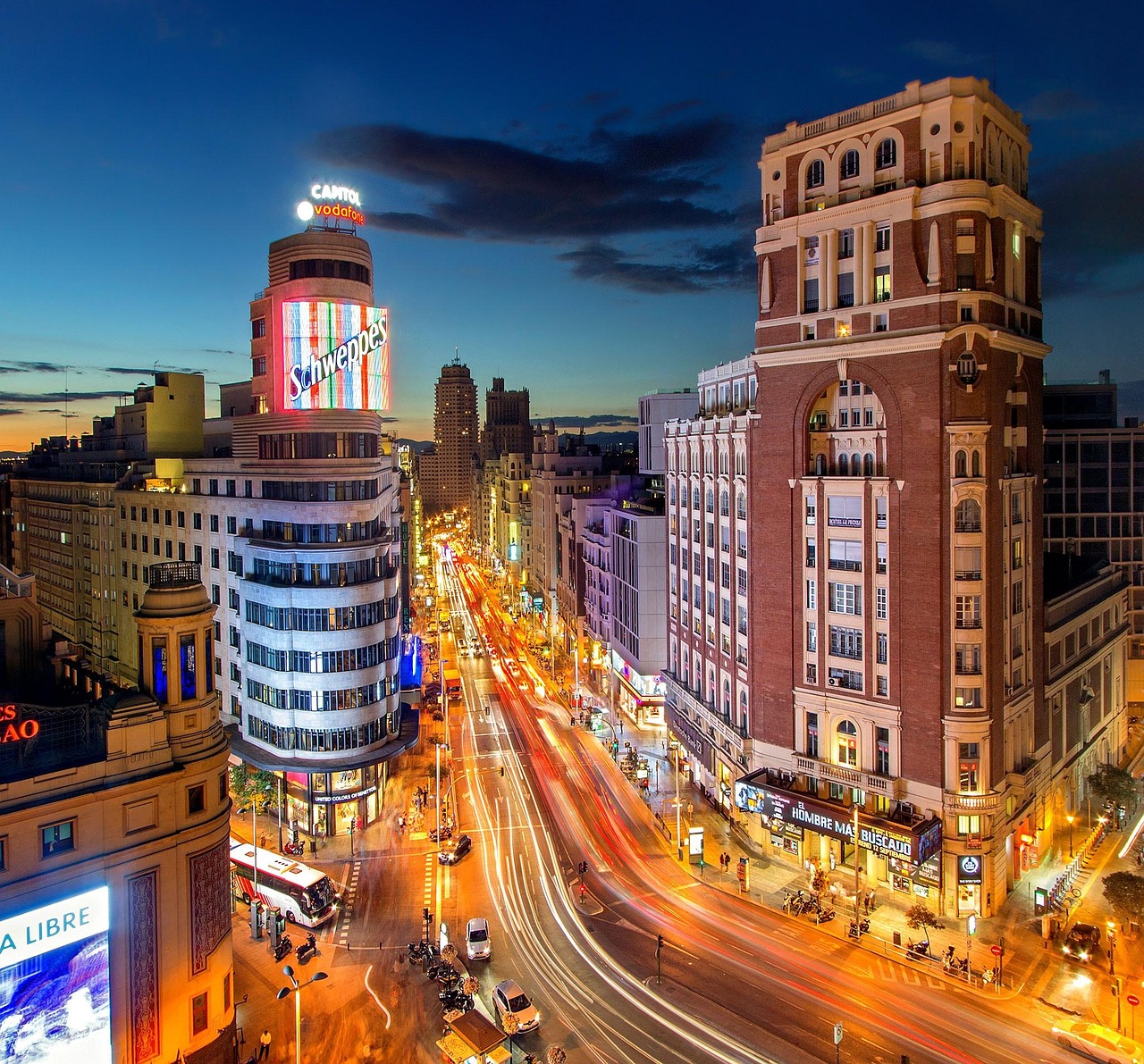
Madrid is a city of elegant boulevards, monumental architecture, world-class art, late dinners and long evenings. It is a place where a morning spent admiring masterpieces can effortlessly become an afternoon in a beautiful neighbourhood café, followed by cocktails, an exceptional dinner and a leisurely walk through streets that remain alive long after sunset.
For the luxury traveller, Madrid offers an especially compelling combination. The city has some of Spain’s finest hotels, an extraordinary concentration of art and culture, sophisticated shopping, increasingly ambitious gastronomy and a lifestyle that encourages visitors to slow down and enjoy the moment.
Whether you are visiting for a long weekend or using Madrid as the beginning of a wider Spanish journey, the capital deserves to be experienced rather than simply visited.
A city built for discovery
Madrid’s historic centre is wonderfully walkable, and one of the pleasures of the city is allowing yourself to wander without a rigid itinerary.
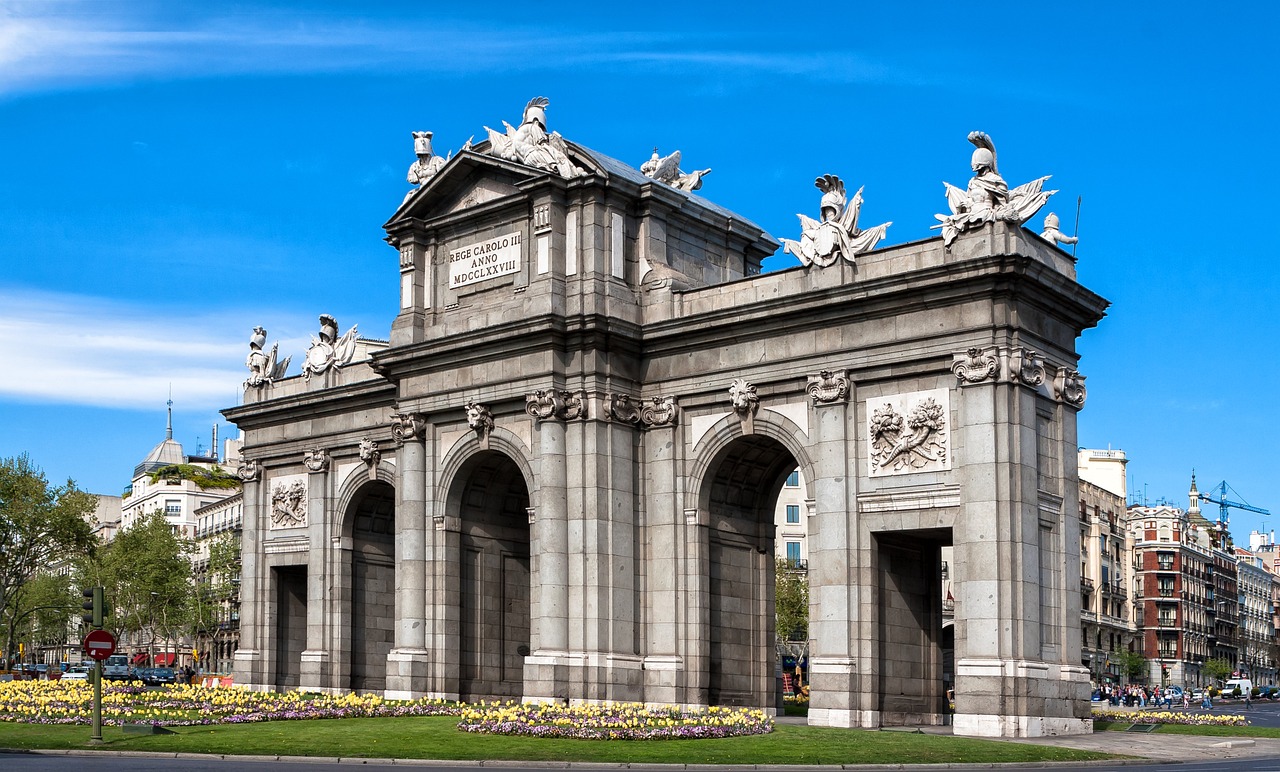
The heart of Madrid is defined by grand squares, elegant streets and historic neighbourhoods. Puerta del Sol is one of the city’s best-known meeting points, while nearby Plaza Mayor offers a more monumental glimpse into Madrid’s past. Surrounded by historic buildings and arcades, the square has been at the centre of city life for centuries.
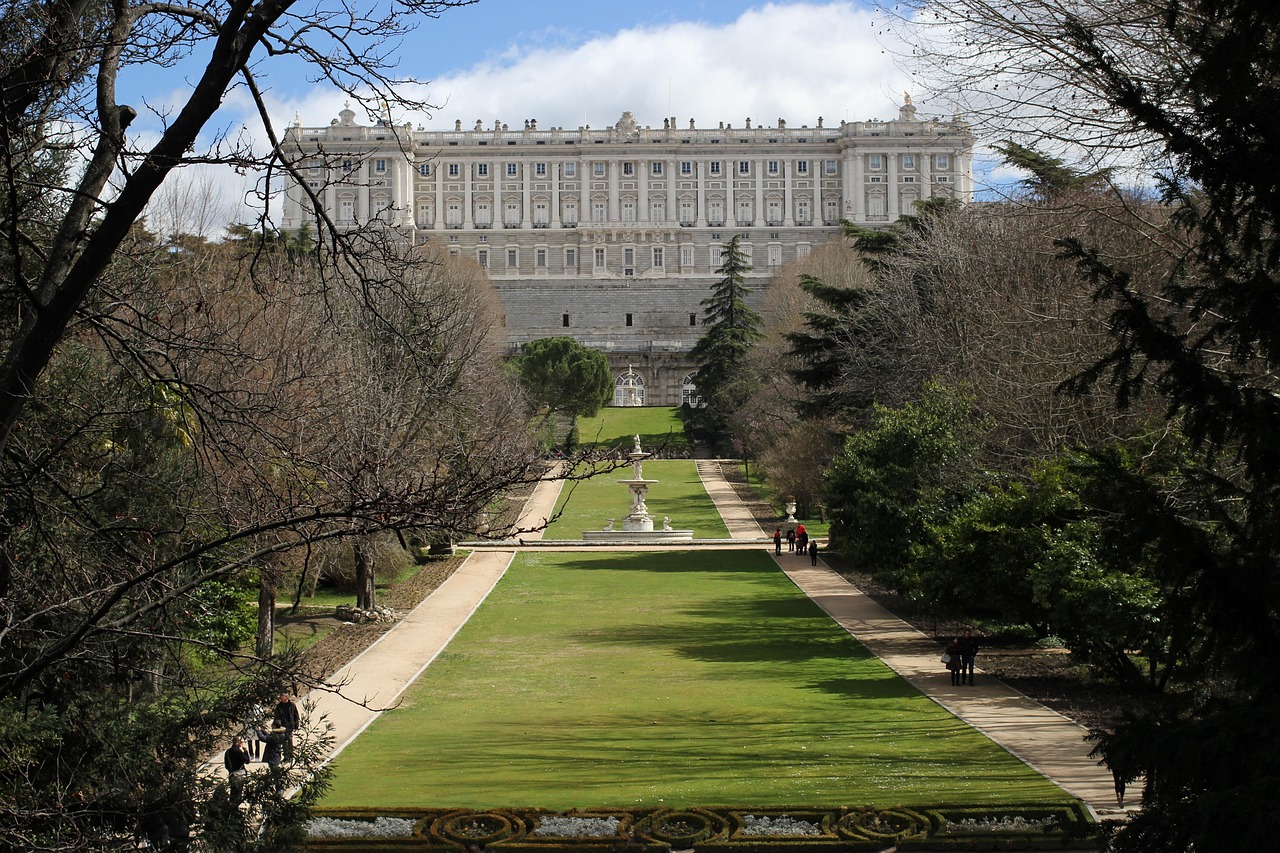
From here, it is easy to continue towards the Royal Palace, one of Madrid’s most impressive landmarks. The palace is the largest royal palace in Western Europe and remains one of the essential cultural experiences for a first-time visitor. Its grand interiors, historic collections and ceremonial rooms offer an extraordinary insight into Spain’s royal heritage.
Nearby, the Teatro Real provides another opportunity to experience Madrid at its most elegant. The historic opera house, situated beside the Royal Palace, stages opera and ballet throughout the year and is an excellent choice for an evening when you want to experience the more refined side of the capital.
The Prado and Madrid’s golden triangle of art
Few European cities can compete with Madrid when it comes to art.
The city’s famous Paseo del Arte, or Art Walk, stretches for almost two kilometres and brings together three of Europe’s most important museums: the Prado Museum, the Reina Sofía and the Thyssen-Bornemisza Museum.
For many visitors, the Prado is the undisputed highlight. Its collection includes masterpieces by Velázquez, Goya, El Greco, Rubens and many other giants of European art.
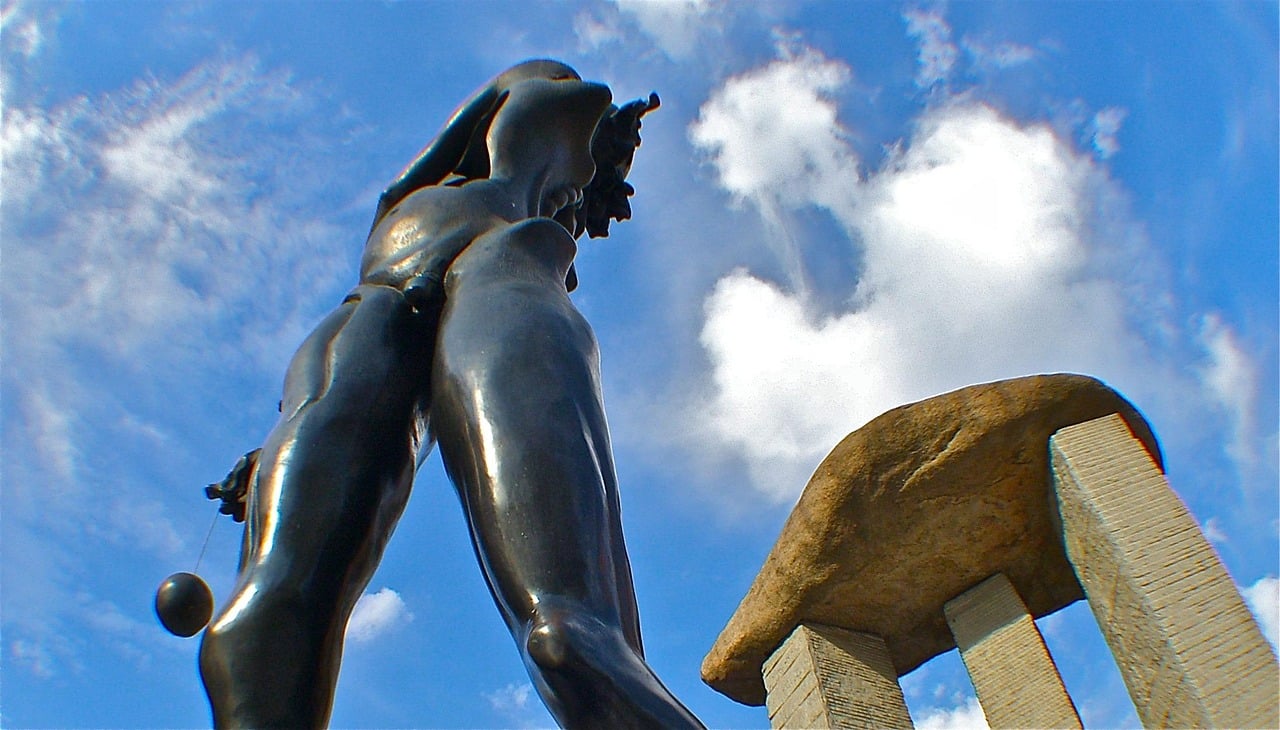
The Reina Sofía offers a very different experience, with an impressive collection of modern and contemporary art. Picasso’s monumental Guernica is perhaps its most famous work, while the museum provides a broader introduction to the artistic movements that shaped Spain during the twentieth century.
The Thyssen-Bornemisza completes the trio with an extraordinary private collection spanning centuries of European and American art.
A leisurely day dedicated to Madrid’s museums can easily become one of the defining experiences of a visit. The luxury lies partly in having the time to appreciate them properly rather than attempting to see everything in a few hurried hours.
El Retiro – Madrid’s green sanctuary
After several hours surrounded by art and architecture, few places offer a better change of pace than El Retiro.
The historic park is one of Madrid’s most beloved spaces and forms part of the city’s UNESCO World Heritage designation. Its avenues, gardens, monuments and peaceful corners provide a welcome contrast to the energy of the city centre.
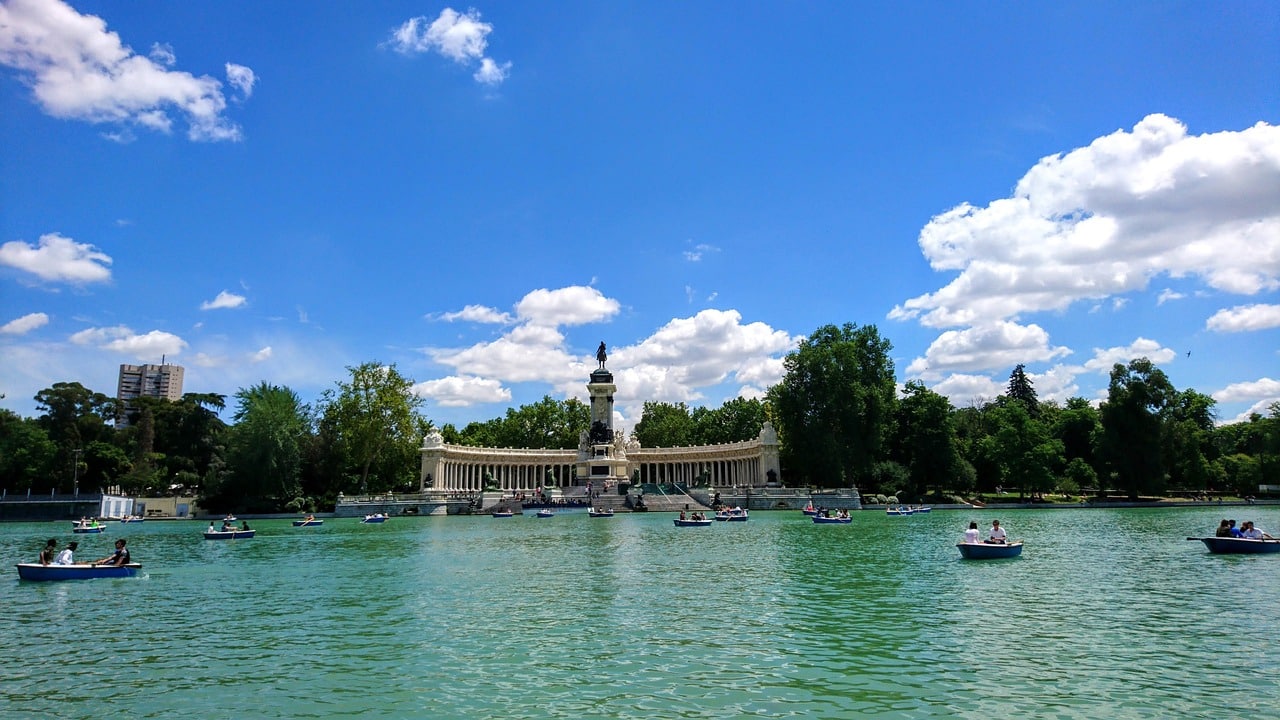
A walk through the park can be wonderfully unstructured. Stop beside the famous lake, admire the Palacio de Cristal or simply find a quiet bench beneath the trees.
For a luxury traveller, Retiro is also a reminder that Madrid’s appeal is not entirely about grand hotels and Michelin-starred restaurants. Some of its most memorable moments can be remarkably simple.
Gran Vía and the rhythm of modern Madrid
If Retiro represents the quieter side of the capital, Gran Vía is Madrid in full motion.
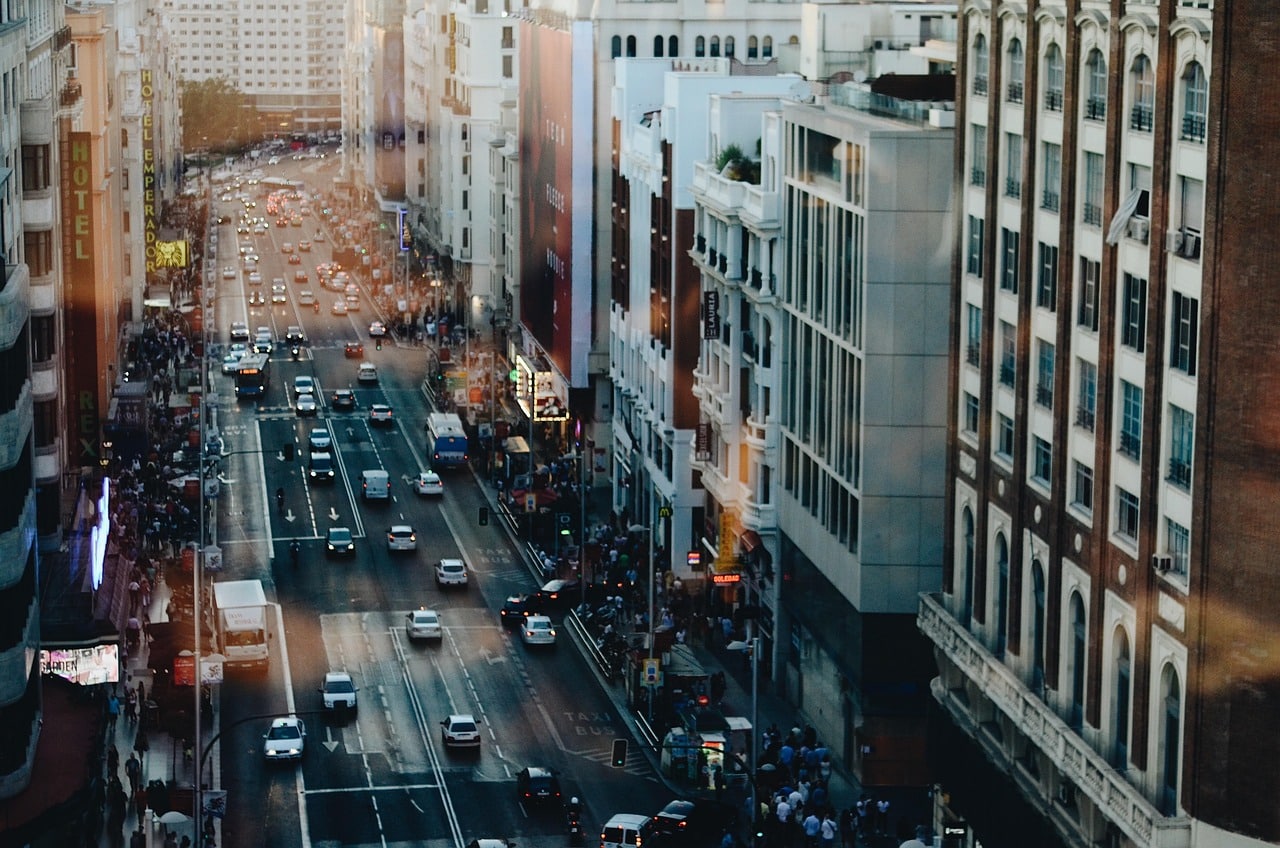
Often described as one of the city’s most famous avenues, Gran Vía combines historic architecture, theatres, restaurants, fashion and shopping. It is particularly atmospheric in the evening, when the buildings are illuminated and the streets take on a distinctly cosmopolitan character.
The surrounding streets lead into neighbourhoods such as Malasaña, Chueca and the Literary Quarter, each with its own personality. This is where visitors can move beyond the monumental Madrid of palaces and museums and discover the more contemporary character of the city.
For shopping, the Salamanca district is the natural choice for luxury. The area around Calle Serrano is known for prestigious international fashion houses, jewellery and elegant boutiques, making it an excellent destination for travellers who enjoy combining culture with retail therapy.
Where to stay – Madrid’s luxury hotels
Madrid’s hotel scene has developed into one of the most impressive in Europe, with historic grand hotels now joined by sophisticated contemporary properties.
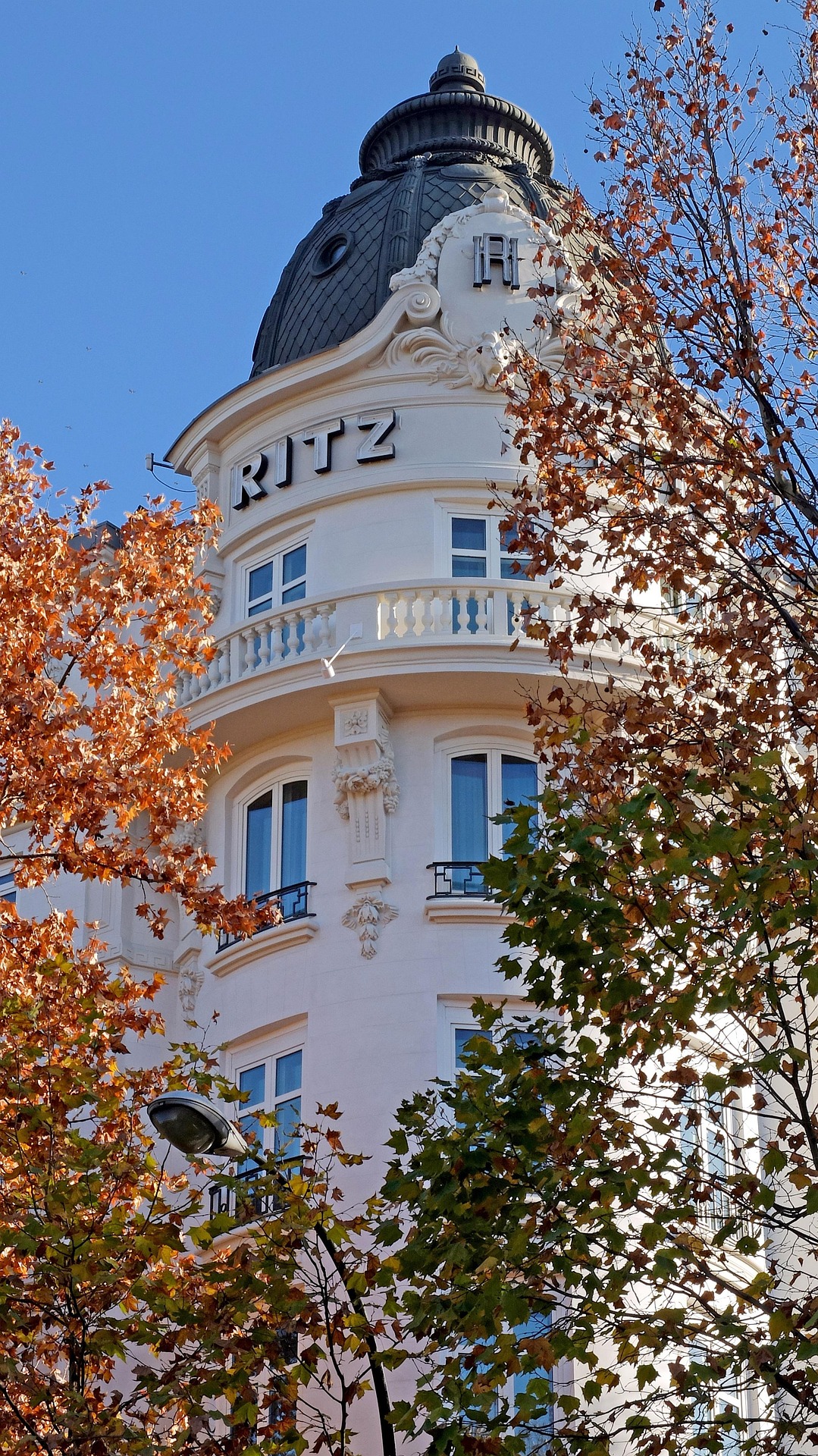
One of the city’s great classics is Mandarin Oriental Ritz, Madrid. The hotel occupies a Belle Époque building and has long been associated with the capital’s most refined side. Madrid’s official tourism organisation describes the Ritz as a classic luxury hotel and highlights its historic character. The hotel has also been awarded three Michelin Keys, the highest hotel distinction in Madrid in the 2025 selection.
For travellers who prefer contemporary luxury, Rosewood Villa Magna in Salamanca offers an elegant alternative in one of Madrid’s most exclusive neighbourhoods. It is also among the city’s hotels recognised by the Michelin Guide, receiving two Michelin Keys.
Another outstanding option is Palacio de los Duques Gran Meliá – The Leading Hotels of the World, a historic palace in the heart of Madrid’s old quarter. Its location makes it particularly appealing for visitors who want to be close to the Royal Palace, Teatro Real and the historic centre.
Madrid’s luxury hotel offering extends well beyond these names. The Palace, a Luxury Collection Hotel, The Madrid EDITION and The Principal Madrid Hotel are among the city’s other sophisticated options. Madrid currently has a broad collection of Michelin Key hotels, reflecting the growing quality and diversity of its luxury accommodation.
Madrid at the table
Madrid’s gastronomic scene deserves to be treated as one of the principal reasons to visit.
The city combines traditional Spanish cuisine with an increasingly ambitious contemporary restaurant culture. You can still spend an evening enjoying classic tapas and traditional dishes in an atmospheric tavern, while some of Spain’s most innovative chefs are creating highly sophisticated tasting menus only a short distance away.
For an exceptional gastronomic evening, DiverXO is perhaps the city’s most adventurous destination. Led by chef Dabiz Muñoz, the restaurant retains three Michelin stars and represents the experimental, theatrical side of Madrid’s contemporary gastronomy. The 2026 Michelin selection confirms DiverXO among the city’s three-star establishments.
For something more classical and refined, Coque offers another of Madrid’s celebrated fine-dining experiences. The restaurant holds two Michelin stars and is recognised for its sophisticated interpretation of Spanish cuisine.
Madrid’s gastronomic reputation is no longer simply an extension of Spain’s culinary traditions. It has become a destination in its own right, with the city now home to 31 Michelin-starred restaurants in the 2026 selection.
The pleasure of eating late
One of the easiest mistakes for visitors to Madrid is trying to follow the dining schedule they are accustomed to at home.
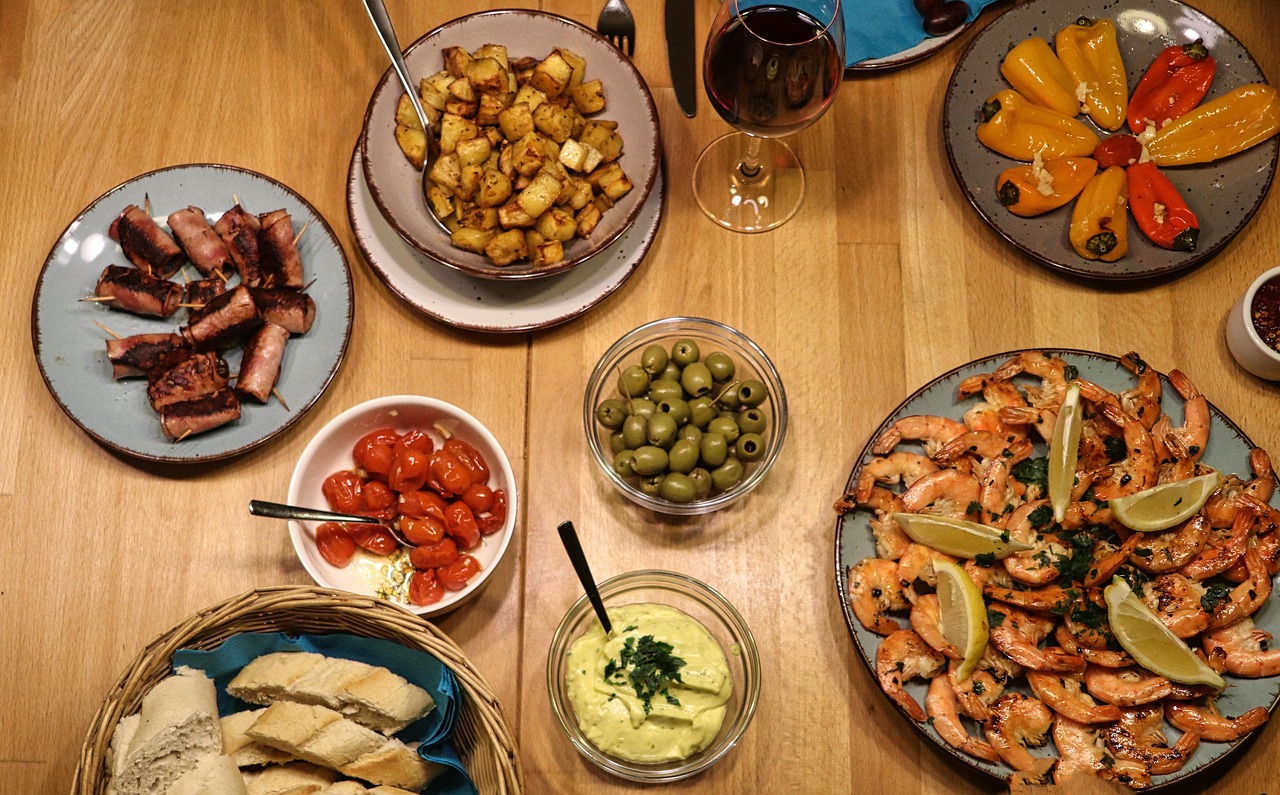
Madrid comes alive later in the day. Lunch can be leisurely, dinner often begins late and evenings can continue long after the plates have been cleared.
Rather than fighting this rhythm, embrace it.
A long lunch followed by an afternoon exploring galleries and boutiques can feel far more natural here than trying to fit every attraction into a tightly structured schedule. In the evening, begin with an aperitif, enjoy dinner at your own pace and allow the night to unfold.
This relaxed approach is perhaps one of Madrid’s greatest luxuries.
A city for the senses
Madrid is not a destination that should be experienced solely through its major attractions.
Some of its most memorable moments happen between the famous sights.
It might be the sound of conversation spilling from a neighbourhood restaurant, the scent of freshly prepared food drifting through a market, the architecture of an unexpected side street or the atmosphere of a small bar filled with locals.
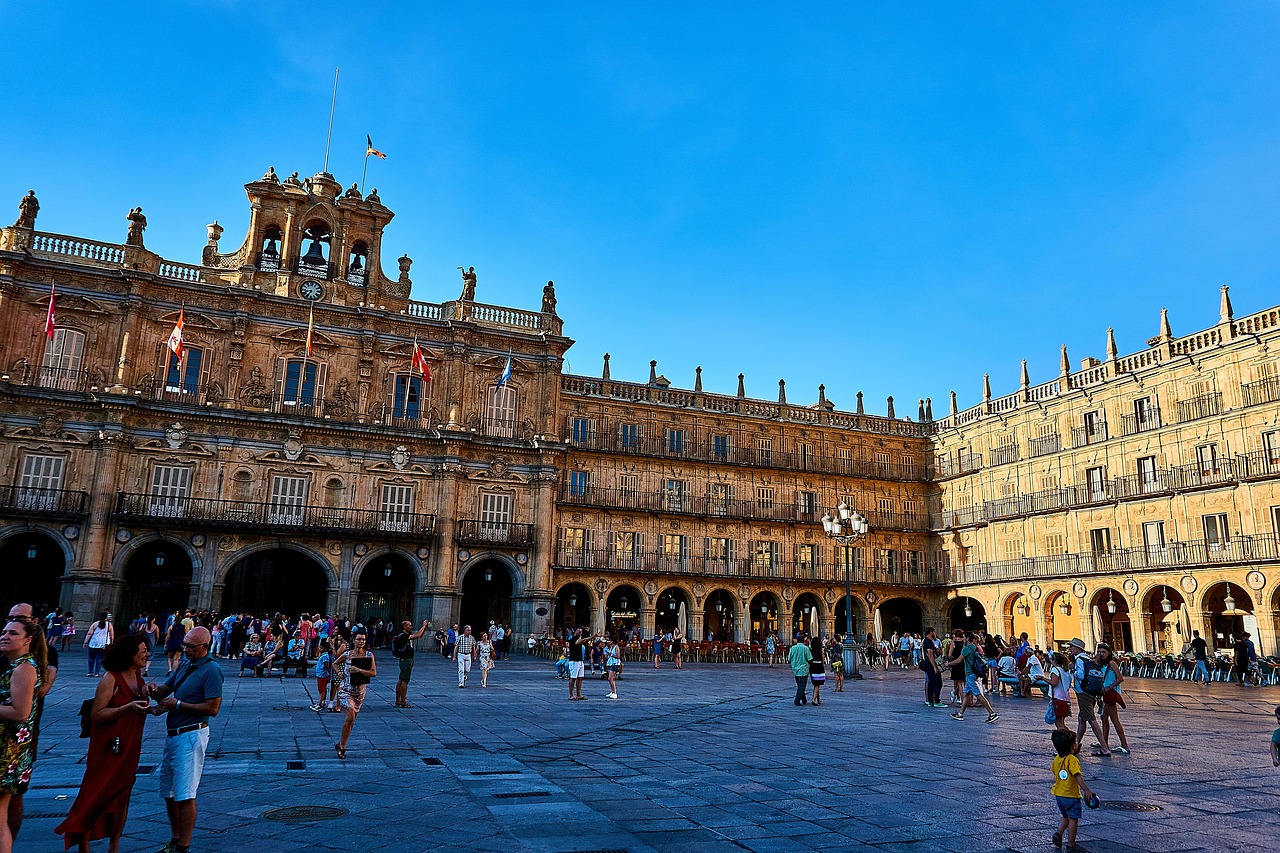
The Mercado de San Miguel, close to Plaza Mayor, is one of the city’s best-known food markets and offers visitors an easy introduction to Spanish ingredients and flavours. For something more local and less polished, exploring neighbourhood markets and traditional food shops can provide a more intimate view of everyday Madrid.
When should you visit Madrid?
Madrid can be visited throughout the year, but spring and autumn are particularly appealing for travellers who want to explore the city on foot.
Spring brings pleasant temperatures and a fresh atmosphere to the city’s parks and boulevards, while autumn offers a sophisticated, slightly more atmospheric version of the capital.
Summer can be hot, particularly in July and August, although this is also when the city’s traditional late-night lifestyle becomes particularly pronounced. Many locals leave Madrid during the hottest periods, which can create a somewhat quieter atmosphere in some areas.
Winter offers another side of the city. The air is crisp, museums and restaurants become especially inviting and the festive period brings additional atmosphere to the historic centre.
Getting around Madrid
One of Madrid’s strengths is its excellent public transport network. The city centre is also compact enough that many of the major attractions can be explored on foot.
For a luxury stay, private transfers and taxis make it easy to move between the airport, hotel and attractions, while walking remains one of the best ways to experience the character of the neighbourhoods.
Madrid’s central location also makes it an excellent base for exploring beyond the capital. Travellers with additional time can consider excursions to places such as San Lorenzo de El Escorial, Aranjuez or historic Alcalá de Henares.
A different kind of Spanish luxury
Madrid is sometimes overshadowed internationally by Barcelona, the Balearic Islands and Spain’s famous Mediterranean resorts. Yet for travellers who appreciate culture, gastronomy, architecture and sophisticated city life, Madrid can be every bit as compelling.
It is a city where history and modern luxury coexist naturally.
You can begin the morning surrounded by masterpieces at the Prado, have lunch in Salamanca, spend the afternoon shopping along Serrano, return to a five-star hotel for a treatment or a cocktail and finish the evening with an extraordinary tasting menu.
And perhaps that is the greatest attraction of Madrid.
It does not ask you to choose between culture and indulgence, history and contemporary design, gastronomy and nightlife. Everything exists side by side, creating a city that rewards curiosity and, above all, time.
Madrid – an invitation to stay a little longer
A weekend is enough to discover Madrid, but rarely enough to understand it.
The city deserves time to unfold slowly – through its museums, grand avenues, intimate neighbourhoods, restaurants, parks and late evenings.
For the luxury traveller, Madrid offers something increasingly rare: the possibility of enjoying a major European capital without feeling that everything has to be rushed.
Stay in an elegant palace hotel, spend an afternoon with the masters of Spanish art, dine at one of the country’s great restaurants and allow yourself to become part of the city’s rhythm.
Madrid is not simply a destination to visit.
It is a city to savour.