Three Inspiring Travel Experiences in Spain: Discovering the Cities Beyond the Obvious
Spain has no shortage of famous sights. Madrid has its grand museums and royal palace, Barcelona has Gaudí and the Mediterranean, while Seville seduces visitors with flamenco, tapas and spectacular Andalusian architecture.
But for the luxury traveller, the most memorable experiences are often found just beyond the standard itinerary.
The real appeal of Spain’s great cities is not simply seeing the landmarks. It is discovering how history, gastronomy, art, music and local traditions continue to shape everyday life. A private cultural experience after the crowds have disappeared, an evening spent in a historic palace, a neighbourhood explored through its artisans, or a major city event that temporarily transforms the atmosphere can create memories far more personal than simply ticking off the famous attractions.
Here are three inspiring ways to experience some of Spain’s most fascinating cities — with an emphasis on experiences that reveal a different side of Madrid, Barcelona and Seville.
1. Madrid: Experience the Capital After Dark
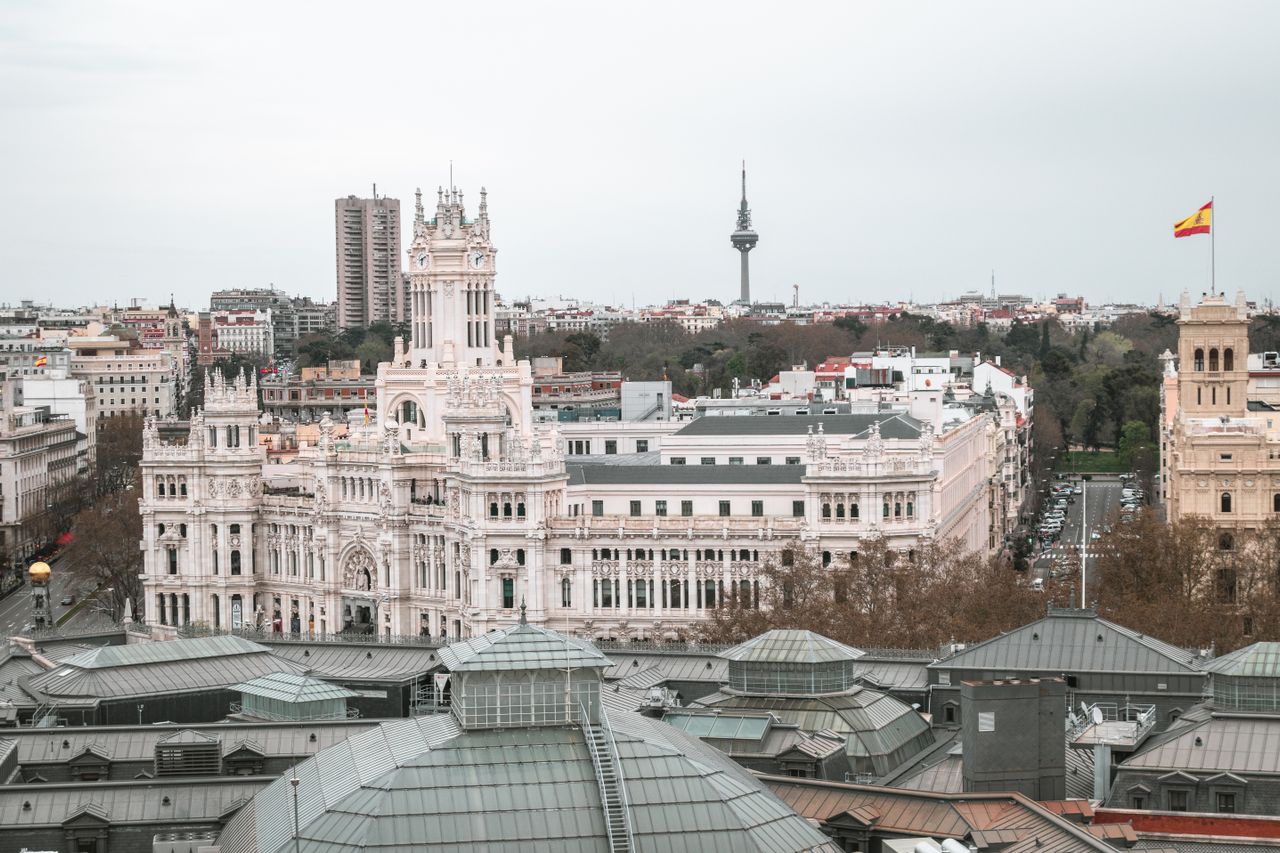
Madrid is often introduced through its magnificent museums, grand boulevards and royal heritage. And rightly so. The city is home to some of Europe’s most important collections of art, including the Prado, Reina Sofía and Thyssen-Bornemisza.
But Madrid becomes particularly interesting when you stop treating it as a conventional sightseeing destination.
The Spanish capital has an extraordinary after-dark personality, and one of the best ways to experience it is to combine culture, gastronomy and history into a single evening.
Begin with Madrid’s Golden Age
One of the city’s most fascinating areas is the Barrio de las Letras, or Literary Quarter.
This atmospheric neighbourhood was once home to some of the greatest writers of Spain’s Golden Age, including Miguel de Cervantes and Lope de Vega. Today, its narrow streets, old façades, small restaurants and traditional taverns make it one of the most atmospheric parts of central Madrid.
Instead of simply walking through the district during the day, consider experiencing it through a literary or theatrical tour.
Dramatised tours have become an increasingly interesting way to discover Madrid, with actors and guides bringing historical characters and stories back to life. Rather than listening to a conventional guide explain what happened hundreds of years ago, visitors can experience the streets almost as if they were stepping into another era.
For a luxury traveller, a private version of this experience can be particularly rewarding.
Imagine beginning the evening with a private guide in the Literary Quarter, continuing through some of Madrid’s historic streets and finishing with dinner in an elegant restaurant where traditional Spanish cuisine is interpreted in a contemporary way.
It is a very different Madrid from the one experienced on a standard sightseeing tour.
Discover the city’s hidden craftsmanship
Luxury in Madrid does not always mean international fashion houses.
Some of the city’s most interesting luxury experiences are connected to traditional Spanish craftsmanship.
Around neighbourhoods such as Las Salesas, Chueca, Malasaña and the historic centre, visitors can find workshops and specialist businesses devoted to crafts that have survived for generations.
Traditional capes, hats, leather goods, fans, guitars, jewellery and other handcrafted products form part of Madrid’s less obvious luxury culture.
This is particularly appealing for travellers who prefer buying something with a story rather than simply purchasing another international designer product.
A private shopping experience with a knowledgeable local guide can turn an afternoon into a journey through Spanish craftsmanship.
Instead of moving from one global luxury brand to another, you might discover a centuries-old artisan business, meet a craftsman and commission or purchase something made specifically in Madrid.
That kind of experience is increasingly relevant to modern luxury travel, where authenticity and provenance are becoming just as important as exclusivity.
Turn an evening into an art experience
Madrid’s famous Art Walk is one of Europe’s great cultural concentrations. The Prado, Reina Sofía and Thyssen-Bornemisza alone could justify a visit to the city.
But the conventional museum visit is not necessarily the most memorable option.
Private tours can transform the experience completely.
Instead of walking through crowded galleries following the standard route, travellers can arrange a specialist experience focusing on a particular artist, period or collection.
For art lovers, a private exploration of Velázquez and Goya offers an opportunity to understand not only the paintings but also the political and social world in which they were created.
The same principle applies to the Royal Palace, historic residences and other cultural institutions.
Madrid rewards travellers who slow down.
Rather than attempting to see everything in two days, choose one or two subjects that genuinely interest you and explore them in depth.
Experience Madrid’s spectacular evening culture
Madrid is a city that comes alive late.
Dinner at 6pm may be normal elsewhere in Europe, but in Madrid the evening often develops gradually. An aperitif can lead to dinner, dinner can become drinks, and drinks can eventually become a night out.
For the luxury traveller, the city offers another possibility: make the evening itself the experience.
Start with cocktails on an elegant rooftop, continue with a long dinner and finish with a performance at the Teatro Real or one of the theatres along Gran Vía.
Madrid’s theatre district is sometimes described as the Spanish equivalent of Broadway, and the city’s musical and theatrical programme gives visitors an opportunity to combine culture with an unmistakably Spanish evening out. Spain
The result is less about visiting Madrid and more about living Madrid for a night.
A special reason to visit Madrid in autumn
Madrid’s cultural calendar is constantly changing, and certain festivals provide an opportunity to see a different side of the capital.
The Suma Flamenca festival, for example, brings flamenco performances to Madrid and provides an alternative to the traditional tourist interpretation of the art form. The 2026 edition is scheduled for October and November, making autumn an especially interesting period for visitors interested in flamenco and Spanish performing arts. Spain
For travellers looking for something sophisticated and culturally immersive, combining such an event with a luxury hotel, private dining and an evening exploring Madrid’s historic neighbourhoods can create a much richer experience than a conventional city break.
The Madrid experience
Best for: Art, gastronomy, history, shopping and sophisticated nightlife
Ideal length: 3–4 nights
Don’t just: Visit the Prado and Royal Palace
Do instead: Combine private cultural experiences, artisan shopping, fine dining and an evening performance
Madrid is at its best when experienced as a living cultural city rather than simply Spain’s capital.
2. Barcelona: Discover the City Through Architecture, Design and the Mediterranean
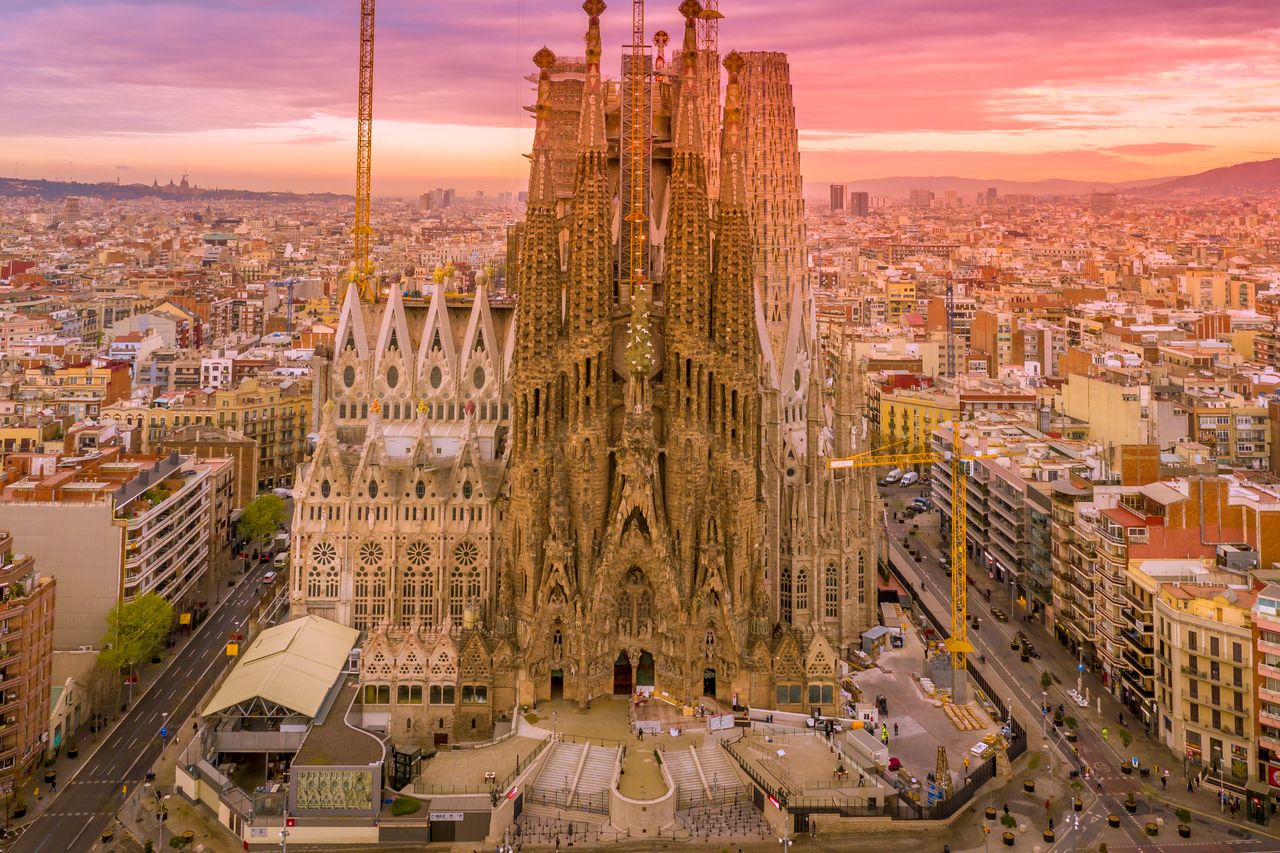
Barcelona is perhaps Spain’s most instantly recognisable city.
The towers of the Sagrada Família, the colourful architecture of Park Güell, the elegant avenues of Eixample and the Mediterranean coastline have made it one of Europe’s most visited destinations.
Yet Barcelona has another personality.
It is a city obsessed with architecture, design, food and creativity — and that makes it particularly interesting for travellers willing to look beyond the standard Gaudí itinerary.
Follow the architectural story beyond Gaudí
Gaudí is unavoidable in Barcelona, but the mistake is to think that Barcelona’s architecture begins and ends with him.
The city is effectively an open-air architectural museum.
The Eixample district provides an extraordinary contrast between modernist masterpieces, elegant residential buildings and contemporary design.
A private architecture-focused walking tour can reveal details that are easily missed when travelling independently.
Instead of simply photographing Casa Batlló or La Pedrera, you begin to understand why the buildings look the way they do, how Barcelona’s urban expansion transformed the city and how the Modernisme movement reflected the wealth, ambitions and cultural identity of Catalonia.
For design-conscious travellers, this is one of the city’s most rewarding experiences.
Barcelona after the tourists have gone
One of the most interesting ways to experience Barcelona is to change the timetable.
Visit the most famous architectural sites early or late in the day, then spend the middle of the day exploring neighbourhoods where everyday Barcelona continues largely away from the main tourist routes.
The Born district is particularly interesting for this.
Its narrow streets, independent shops, galleries, restaurants and historic buildings provide a completely different atmosphere from the monumental areas around the Sagrada Família.
The combination of medieval streets and contemporary design is one of the things that makes Barcelona so compelling.
And when evening arrives, the city changes once again.
Make the Mediterranean part of the experience
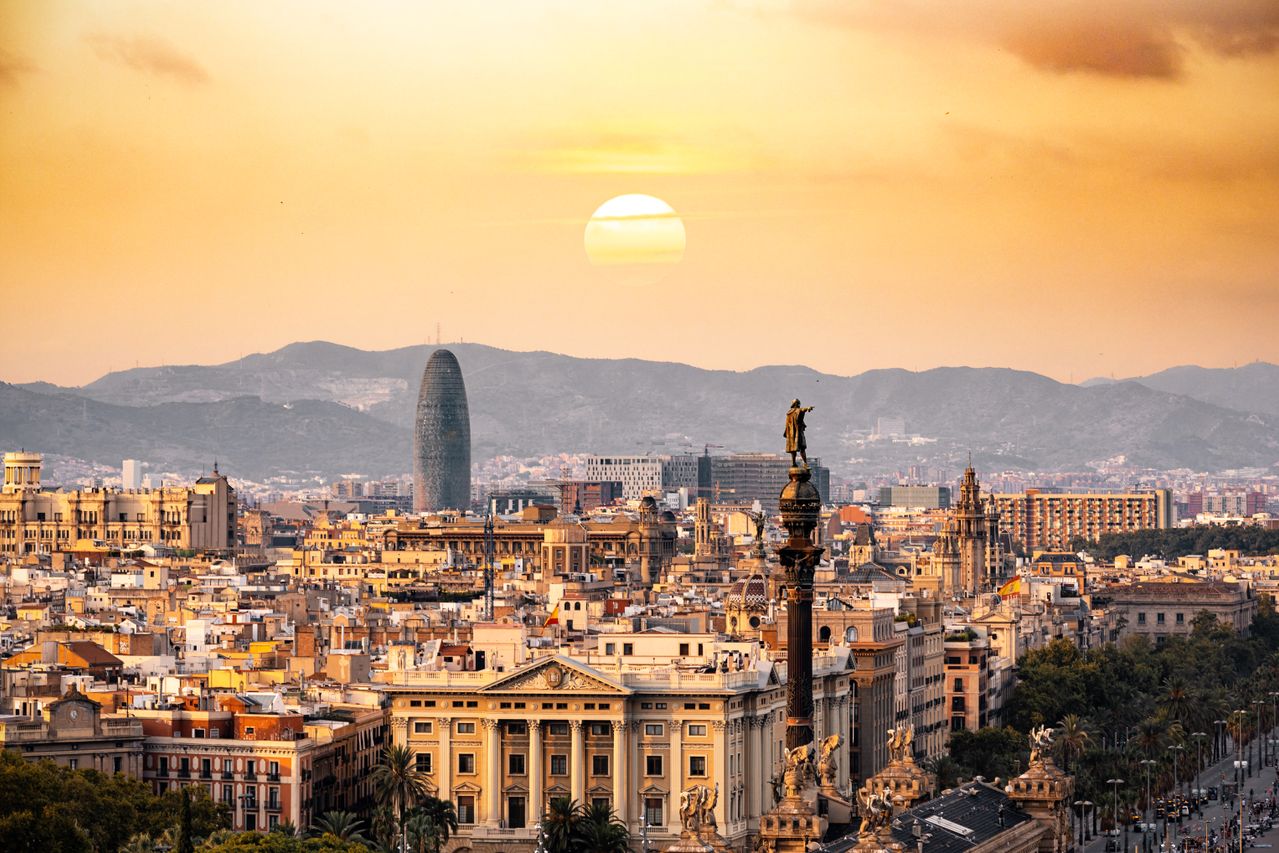
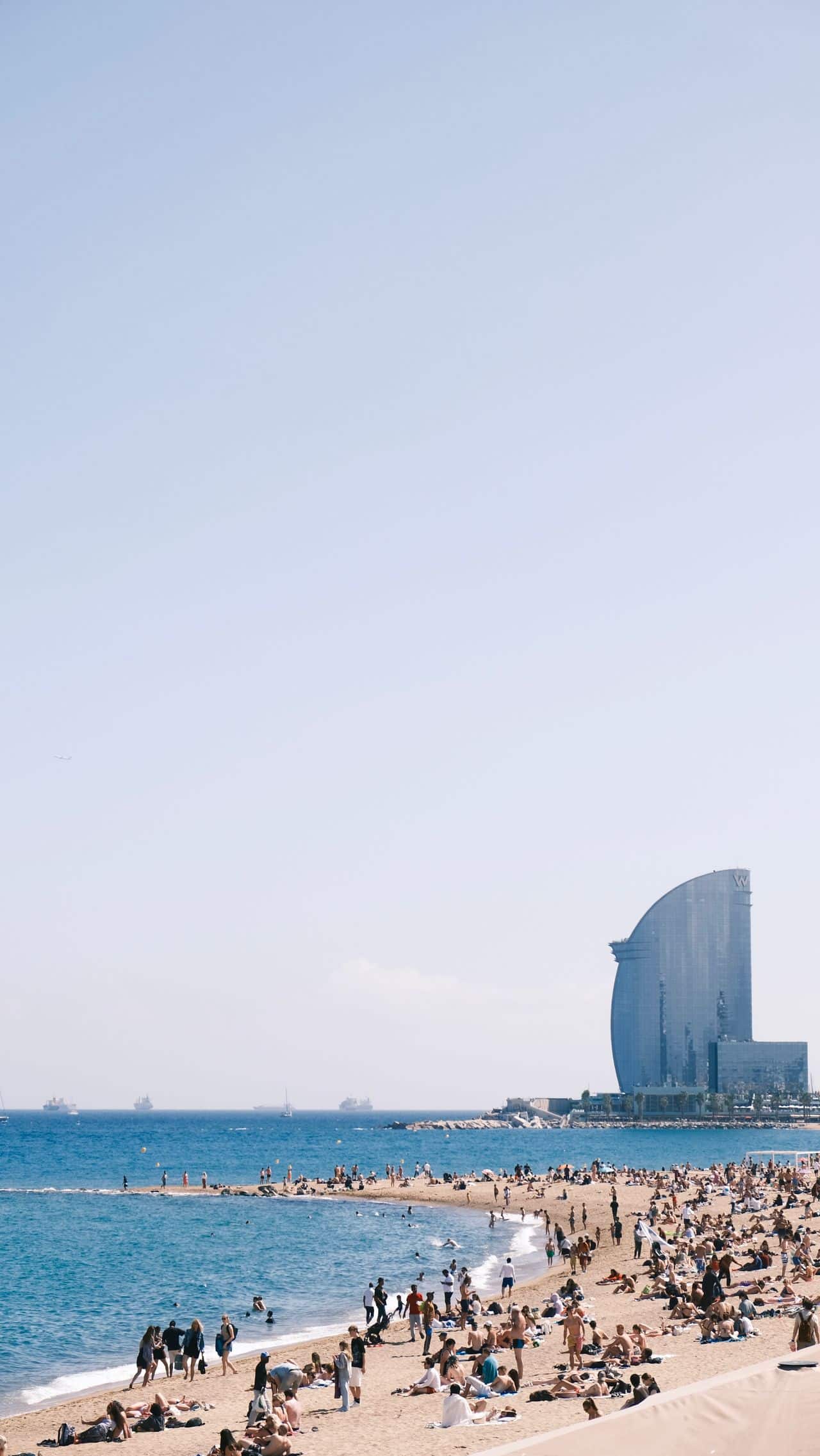
Barcelona is frequently treated as a cultural city with a beach attached.
That undersells it.
The Mediterranean should be part of the Barcelona experience.
A private sailing trip from the city’s marina offers a completely different perspective of the skyline.
From the water, the city becomes a backdrop rather than the destination itself.
A late-afternoon cruise, particularly around sunset, can be combined with drinks, dinner or a private chef.
For a luxury traveller, this can be one of the easiest ways to create a feeling of escape without leaving the city.
You can spend the morning exploring architecture, have lunch in the city, and be aboard a private yacht before sunset.
It is difficult to find a more effortless combination of urban culture and Mediterranean lifestyle.
Explore Barcelona through food
Barcelona’s gastronomic scene is another reason to stay longer than the typical weekend.
The city combines Catalan culinary traditions with contemporary Spanish cuisine and an international restaurant culture.
Rather than simply booking the most famous restaurant available, consider arranging a private food experience.
A chef-led market visit can introduce travellers to local ingredients before continuing to a private cooking experience or a carefully selected restaurant.
The appeal is not necessarily learning to cook a complicated Spanish meal.
It is understanding why ingredients such as tomatoes, seafood, olive oil, cured meats, cheese and seasonal vegetables play such an important role in Catalan cuisine.
For luxury travellers, gastronomy becomes more interesting when the experience provides access, context and personality rather than simply an expensive meal.
Barcelona in 2026: A particularly special year
There is another reason Barcelona deserves special attention in 2026.
The city is serving as World Capital of Architecture 2026, with a programme of events connected to architecture and urban life throughout the year. The year also coincides with the centenary of Antoni Gaudí’s death, giving the city’s architectural heritage an unusually prominent place in its cultural calendar. Spain
For travellers interested in design, architecture and culture, this creates an opportunity to experience Barcelona at a moment when the city is looking particularly closely at its own architectural identity.
Rather than simply visiting the Sagrada Família, travellers can use the occasion to explore the broader architectural story of Barcelona.
That could mean private architectural tours, contemporary exhibitions, visits to lesser-known buildings or simply exploring neighbourhoods with an architectural historian.
The result is a much more sophisticated understanding of the city.
Experience Barcelona from above
Barcelona’s geography makes viewpoints particularly rewarding.
The city slopes toward the Mediterranean, meaning elevated locations provide dramatic views across the urban landscape and sea.
Instead of treating a viewpoint as another item on a sightseeing checklist, make it part of an evening.
A private transfer to one of the city’s elevated locations, followed by cocktails or dinner overlooking Barcelona, creates a more relaxed experience.
The ideal luxury city break is rarely about seeing the greatest number of attractions.
It is about creating moments in which the destination feels exceptional.
Barcelona provides plenty of those.
The Barcelona experience
Best for: Architecture, design, gastronomy, sailing and contemporary culture
Ideal length: 3–5 nights
Don’t just: Visit Gaudí’s most famous buildings
Do instead: Explore Barcelona through architecture, neighbourhoods, food and the Mediterranean
Barcelona is perhaps at its most fascinating when you stop looking for the Barcelona from the postcards and start looking for the Barcelona that locals experience.
3. Seville: Enter the World of Andalusian Nights
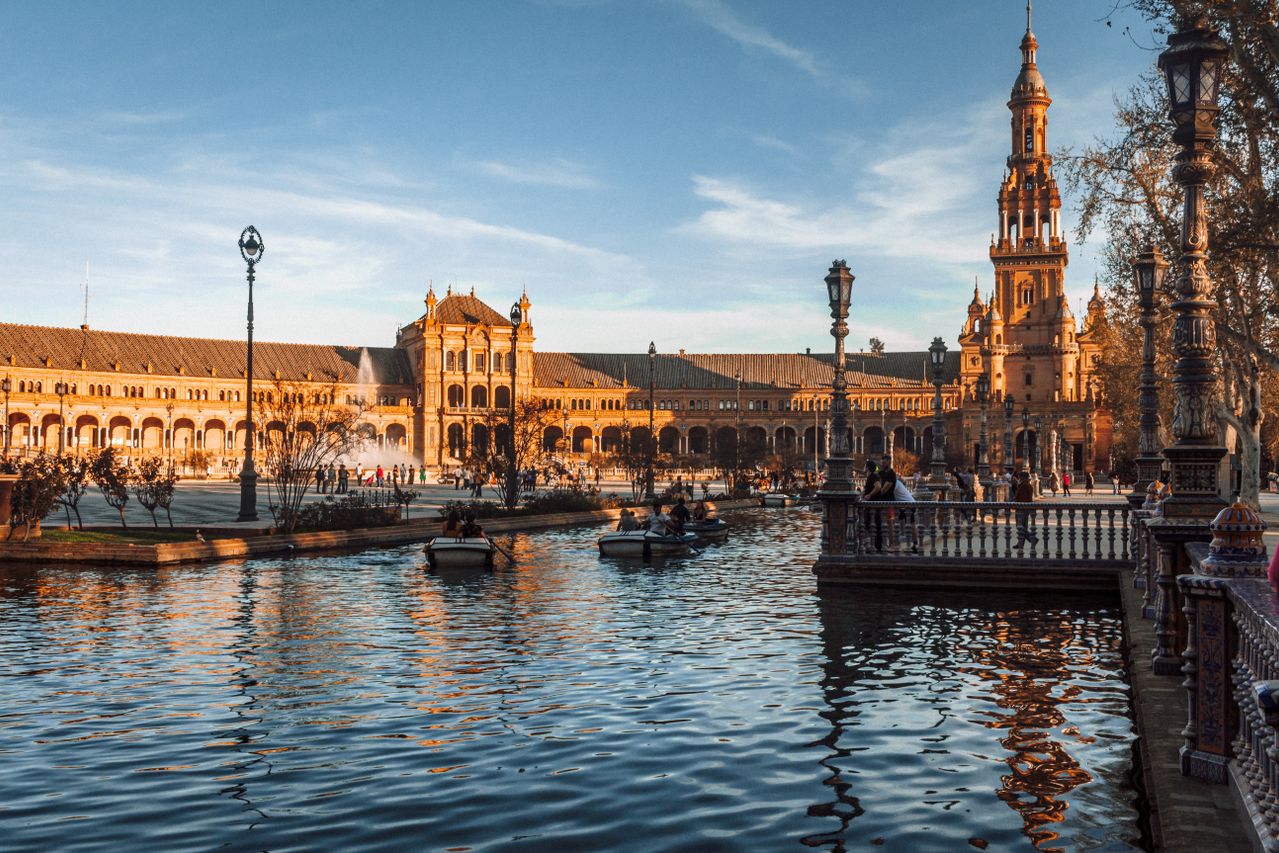
If Madrid represents Spain’s grand capital and Barcelona its Mediterranean creativity, Seville offers something entirely different.
Seville is theatrical.
The architecture is dramatic, the streets are atmospheric, the courtyards are filled with flowers, and flamenco provides a soundtrack that seems almost inseparable from the city.
But Seville becomes particularly magical after sunset.
This is a city where the evening should be regarded as part of the itinerary rather than simply the end of the sightseeing day.
Begin with the Royal Alcázar
The Royal Alcázar is one of Seville’s defining landmarks, but the standard daytime visit only tells part of its story.
The palace complex is a remarkable mixture of Islamic, Gothic, Renaissance and Mudéjar influences, reflecting the layers of history that have shaped Andalusia.
For a more memorable experience, look for opportunities to experience the Alcázar outside the standard daytime timetable.
Evening cultural programmes, special events and theatrical experiences can transform the monument.
Imagine entering a historic palace after sunset, when the heat of the Andalusian day has disappeared and the atmosphere becomes quieter.
The experience is fundamentally different from walking through the same rooms among large groups of visitors during the middle of the day.
Follow Seville’s flamenco beyond the tourist show
Flamenco is one of the obvious reasons to visit Seville.
But there is a significant difference between seeing flamenco because a guidebook tells you to and actually understanding why it matters.
The best experiences are intimate.
A small performance in an atmospheric venue can be far more powerful than a large production designed primarily for tourists.
Flamenco is not simply dance.
It is music, rhythm, singing, improvisation and emotion, with traditions that developed through the complex cultural history of Andalusia.
For visitors who want something more personal, a private introduction to flamenco can be combined with dinner or a meeting with performers and musicians.
The goal is not necessarily to find the most spectacular show.
It is to find the most authentic atmosphere.
Discover Seville from the Guadalquivir
The Guadalquivir River has played a fundamental role in Seville’s history.
Today it offers one of the city’s most relaxing experiences.
A private river cruise provides a completely different perspective of Seville’s historic centre.
From the water, landmarks such as the Torre del Oro and the city’s riverside architecture appear in a new context.
A sunset cruise can be especially memorable.
Rather than spending the entire evening moving between restaurants and attractions, travellers can slow down and watch the city change colour as the sun disappears.
Add a glass of Andalusian wine and a private dinner, and an ordinary sightseeing excursion becomes a genuine luxury travel experience.
The river also provides an opportunity to escape the intensity of the city without actually leaving it.
Seville’s hidden luxury: the art of taking your time
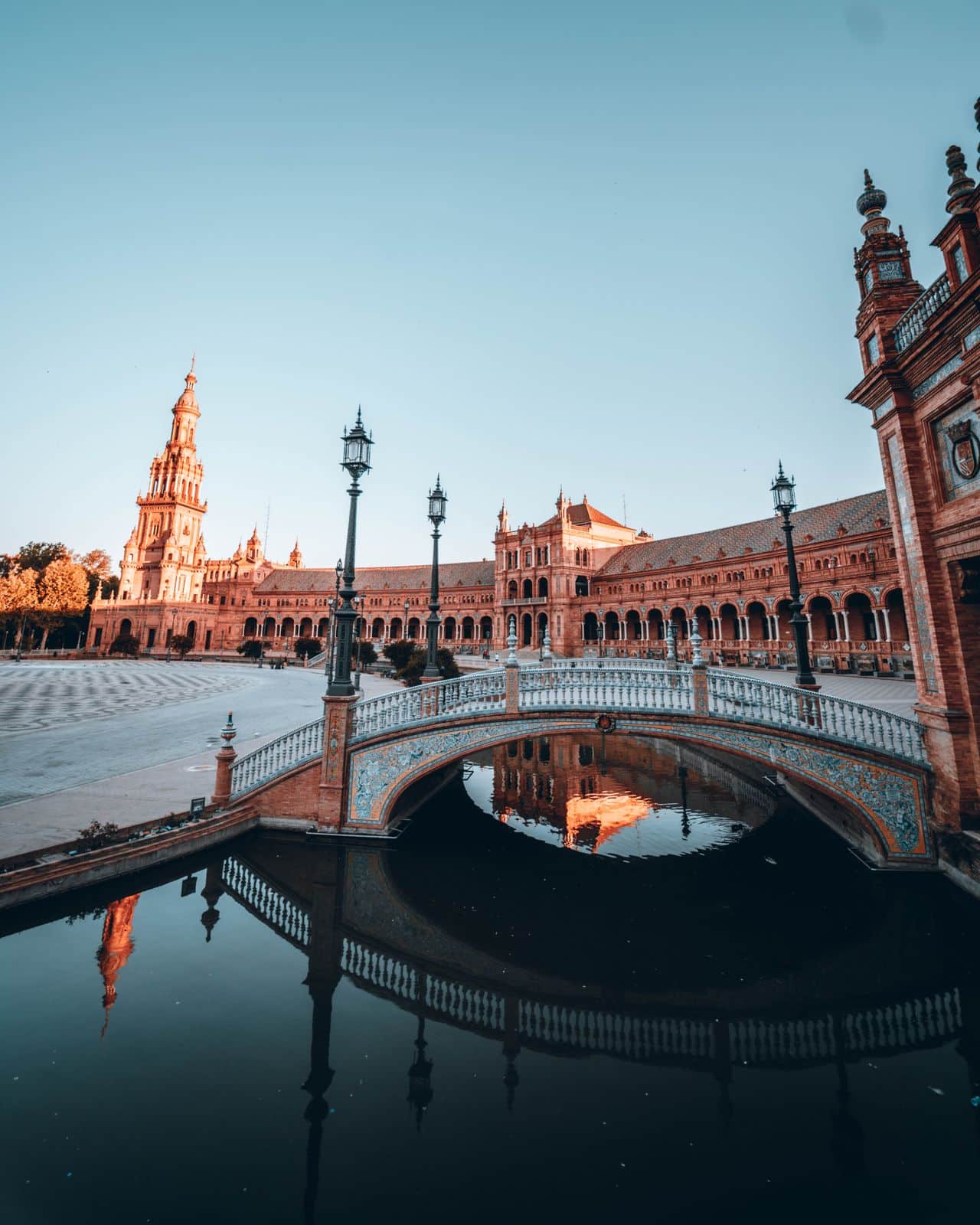
One of the great pleasures of Seville is that it does not demand constant activity.
The city encourages lingering.
Have coffee in a historic square.
Walk through Santa Cruz without a particular destination.
Stop for tapas.
Visit a courtyard.
Return to the hotel during the hottest part of the afternoon.
Then go out again when the city becomes lively.
This rhythm is important.
Luxury travel does not always require exclusive access or extravagant spending.
Sometimes luxury means having enough time to experience a city at its natural pace.
Seville is particularly good at teaching that lesson.
Look beyond the obvious monuments
The Cathedral, Giralda, Plaza de España and Alcázar are essential.
But they should be the framework rather than the entire experience.
Explore the city’s ceramic traditions.
Look for workshops producing traditional tiles and pottery.
Discover small food producers.
Visit galleries and historic buildings.
Take a private architectural tour through areas where the history of Seville is visible in the details of ordinary buildings.
Spain’s official tourism information also highlights unusual and dramatised experiences in Seville, including traditional carriage tours, Guadalquivir cruises and special evening experiences at the Royal Alcázar.
These experiences work because they allow visitors to encounter familiar landmarks from a different perspective.
A City for the Evening
Perhaps the most important thing to understand about Seville is that the city belongs to the evening.
The streets gradually fill.
Restaurants become busier.
The smell of grilled food drifts through the neighbourhoods.
Families, couples and friends gather outside.
Music emerges from bars and venues.
And the architecture becomes even more dramatic as buildings are illuminated.
For a luxury traveller, this creates an ideal evening itinerary:
Sunset on the Guadalquivir → aperitif in a historic neighbourhood → private or intimate flamenco performance → late dinner → evening walk through the illuminated old city.
That is the kind of evening that stays in the memory long after the photographs have been forgotten.
The Seville experience
Best for: Flamenco, architecture, history, gastronomy and romantic evenings
Ideal length: 3–4 nights
Don’t just: Photograph Plaza de España and visit the Alcázar during the day
Do instead: Experience Seville after dark, explore its traditions and build an evening around flamenco and the river
Why These Three Cities Work So Well Together
Madrid, Barcelona and Seville offer three very different interpretations of Spain.
Madrid is sophisticated and energetic.
It is the Spain of art, gastronomy, theatre, fashion and late nights.
Barcelona is creative and Mediterranean.
It combines architecture, design, food, beaches and contemporary culture in a way few European cities can match.
Seville is atmospheric and deeply traditional.
It is the Spain of flamenco, courtyards, historic palaces, tapas and warm Andalusian evenings.
Together, they provide an excellent introduction to the country without feeling repetitive.
And perhaps more importantly, each city rewards travellers who go beyond the obvious.
The New Definition of Luxury Travel in Spain
The most interesting luxury experiences in Spain are increasingly not about simply spending more money.
They are about gaining a different perspective.
A private museum experience can be more memorable than simply visiting another museum.
A conversation with an artisan can be more meaningful than buying an expensive souvenir.
A sunset cruise can be more memorable than another sightseeing tour.
An intimate flamenco performance can be more powerful than a large-scale show.
And experiencing an historic building after the crowds have disappeared can completely change the way you remember it.
Spain’s major cities are exceptionally well suited to this style of travel. They combine world-famous cultural attractions with neighbourhoods, traditions, festivals, gastronomy and experiences that allow visitors to see familiar destinations from a different angle.
For the discerning traveller, that may ultimately be the greatest luxury of all.
Not simply seeing Spain — but experiencing a side of Spain that most visitors never see.