Three Inspiring Travel Experiences in Italy: Discovering the Cities Beyond the Obvious
Italy has an almost unfair advantage when it comes to luxury travel.
Few countries can offer such a remarkable combination of art, architecture, history, food, fashion, landscapes and culture. Rome has ancient ruins and grand piazzas, Florence has Renaissance masterpieces, Venice has its canals, and Milan has become one of Europe’s great capitals of fashion and design.
Yet Italy is at its most fascinating when you look beyond the landmarks that appear on every postcard.
The Colosseum, the Trevi Fountain, the Duomo and the Rialto Bridge are extraordinary, but they are only the beginning. The real luxury of travelling through Italy can be found in experiences that reveal how Italians actually live, create, eat and celebrate.
A private encounter with an artisan. An evening inside a historic neighbourhood. A traditional celebration that temporarily transforms an entire city. A meal where the ingredients tell the story of the region.
For travellers seeking something more personal, these experiences can be far more memorable than simply ticking off famous attractions.
Here are three inspiring ways to experience Italy through some of its most fascinating cities.
1. Rome: Discover the Eternal City After Dark
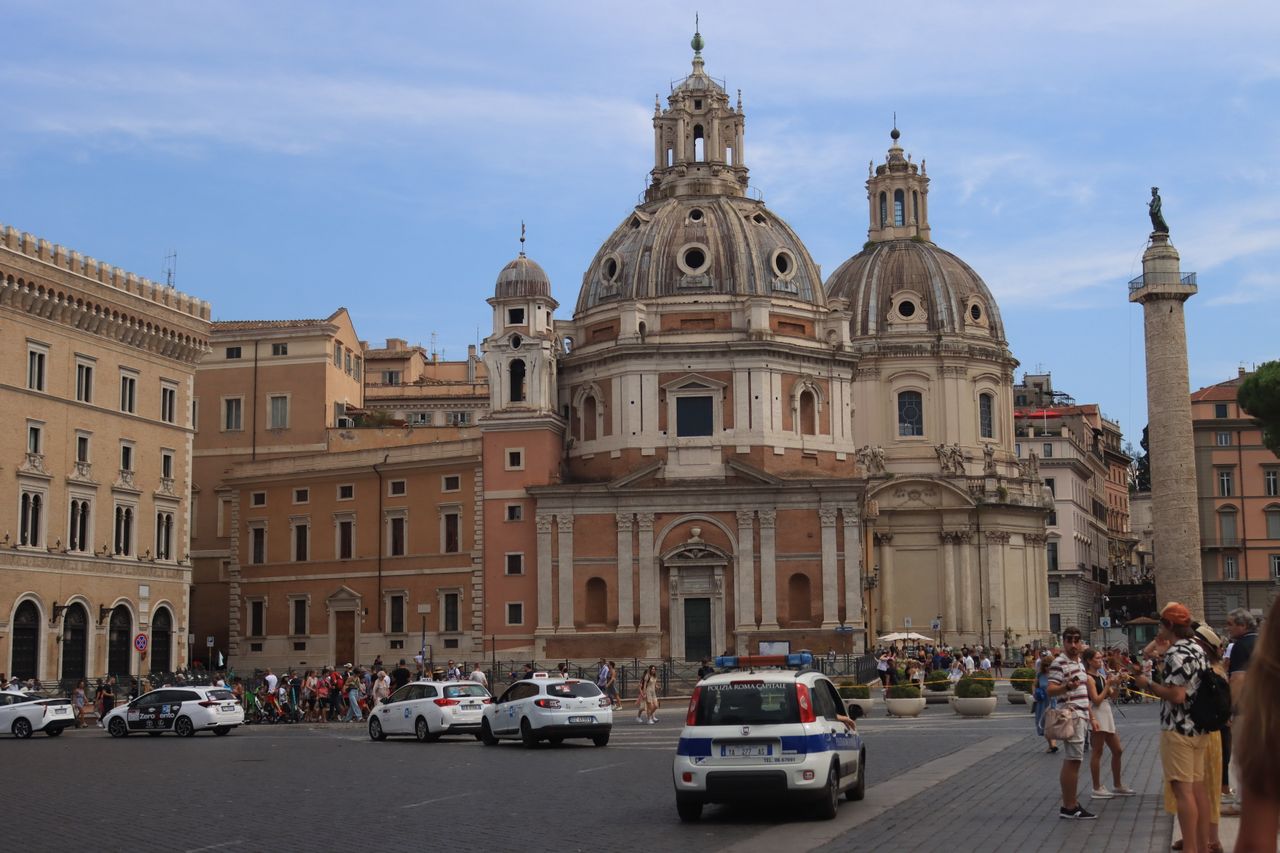
Rome is one of the world’s great cities.
Its history is so overwhelming that it can sometimes feel almost impossible to experience properly. Ancient temples, Renaissance churches, Baroque fountains, palaces and archaeological sites appear around almost every corner.
The traditional Rome itinerary is familiar: the Colosseum, the Roman Forum, the Vatican, the Pantheon, the Trevi Fountain and Piazza Navona.
All deserve to be seen.
But there is another Rome waiting beyond the major attractions.
It is quieter, more intimate and perhaps even more luxurious.
Experience Rome when the crowds disappear
One of the most rewarding ways to experience Rome is to change the timetable.
The historic centre takes on a completely different character early in the morning and late in the evening.
The streets around the Trevi Fountain and Piazza Navona become quieter. The warm illumination of historic buildings creates a completely different atmosphere from the middle of a busy afternoon.
For luxury travellers, this makes a private evening tour particularly appealing.
Rather than rushing between monuments, take time to explore Rome after sunset, when the city’s architecture becomes part of the experience itself.
Walk through the narrow streets around the Pantheon.
Stop for an aperitivo.
Continue towards Piazza Navona.
Then finish the evening with dinner in one of Rome’s atmospheric historic neighbourhoods.
The experience is less about sightseeing and more about inhabiting the city.
Discover Trastevere beyond the restaurants
Trastevere is one of Rome’s most famous neighbourhoods, but it remains one of the best places to experience the city’s atmosphere.
Its cobbled streets, ivy-covered buildings, small churches and lively squares create a very different environment from the monumental centre.
Instead of simply visiting Trastevere for dinner, consider exploring the neighbourhood through its food and craftsmanship.
A private food tour can introduce visitors to Roman specialties while explaining the traditions behind them.
But the experience becomes even more interesting when it includes some of the neighbourhood’s lesser-known artisans.
Italy’s luxury culture has always been connected to craftsmanship.
Leather, jewellery, ceramics, tailoring, shoes and other handmade products remain an important part of the country’s identity.
Meeting an artisan or visiting a small workshop can therefore provide a completely different understanding of Italian luxury.
The object becomes more than a purchase.
It becomes a memory of Rome.
Explore ancient Rome in a different way
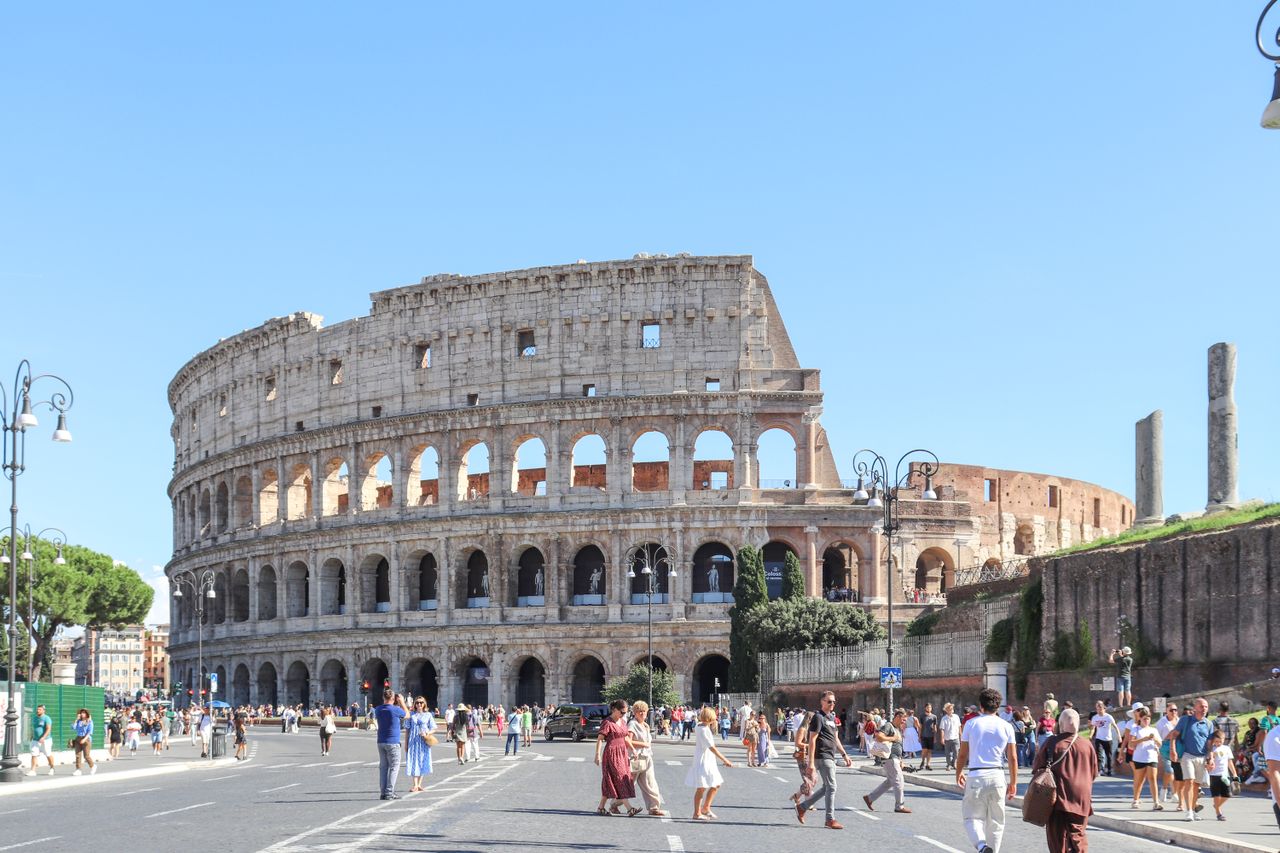
The Colosseum is one of the most recognisable monuments in the world.
But Rome’s archaeological heritage extends far beyond it.
Underground Rome is particularly fascinating.
Beneath today’s streets are layers of earlier cities, including ancient homes, churches, burial sites and archaeological remains.
Exploring these hidden spaces with a specialist guide can reveal a Rome that exists beneath the Rome visitors normally see.
This is one of the city’s most compelling luxury experiences because it provides something that cannot easily be replicated elsewhere.
You are not simply looking at history.
You are physically entering it.
Make gastronomy part of the journey
Rome’s cuisine is deceptively simple.
Pasta dishes such as carbonara, cacio e pepe and amatriciana have become internationally famous, but the philosophy behind Roman food is more interesting than the dishes themselves.
The cuisine traditionally relies on a relatively small number of ingredients used exceptionally well.
A private cooking experience can offer insight into this philosophy.
Visit a local market with a chef.
Select seasonal ingredients.
Learn how traditional Roman dishes are prepared.
Then sit down to enjoy the meal.
For travellers who appreciate food, this can be much more rewarding than simply booking another expensive restaurant.
It provides context.
And context is one of the things that can transform luxury travel into meaningful travel.
Rome’s unexpected side
Rome also has a more contemporary personality.
The city is home to modern art, fashion, independent galleries and creative neighbourhoods that sit alongside its ancient heritage.
This contrast is part of what makes Rome so fascinating.
You can spend the morning walking among ruins that are two thousand years old and the afternoon discovering contemporary Italian design.
Few destinations offer that combination so naturally.
The Rome experience
Best for: History, art, gastronomy, craftsmanship and sophisticated evenings
Ideal length: 4–5 nights
Don’t just: Visit the Colosseum, Vatican and Trevi Fountain
Do instead: Explore Rome after dark, discover hidden archaeological sites, meet artisans and experience Roman cuisine through local traditions
Rome rewards those who slow down.
The Eternal City does not need to be conquered in a weekend.
It needs to be experienced.
2. Florence: Step Inside the World of Renaissance Italy
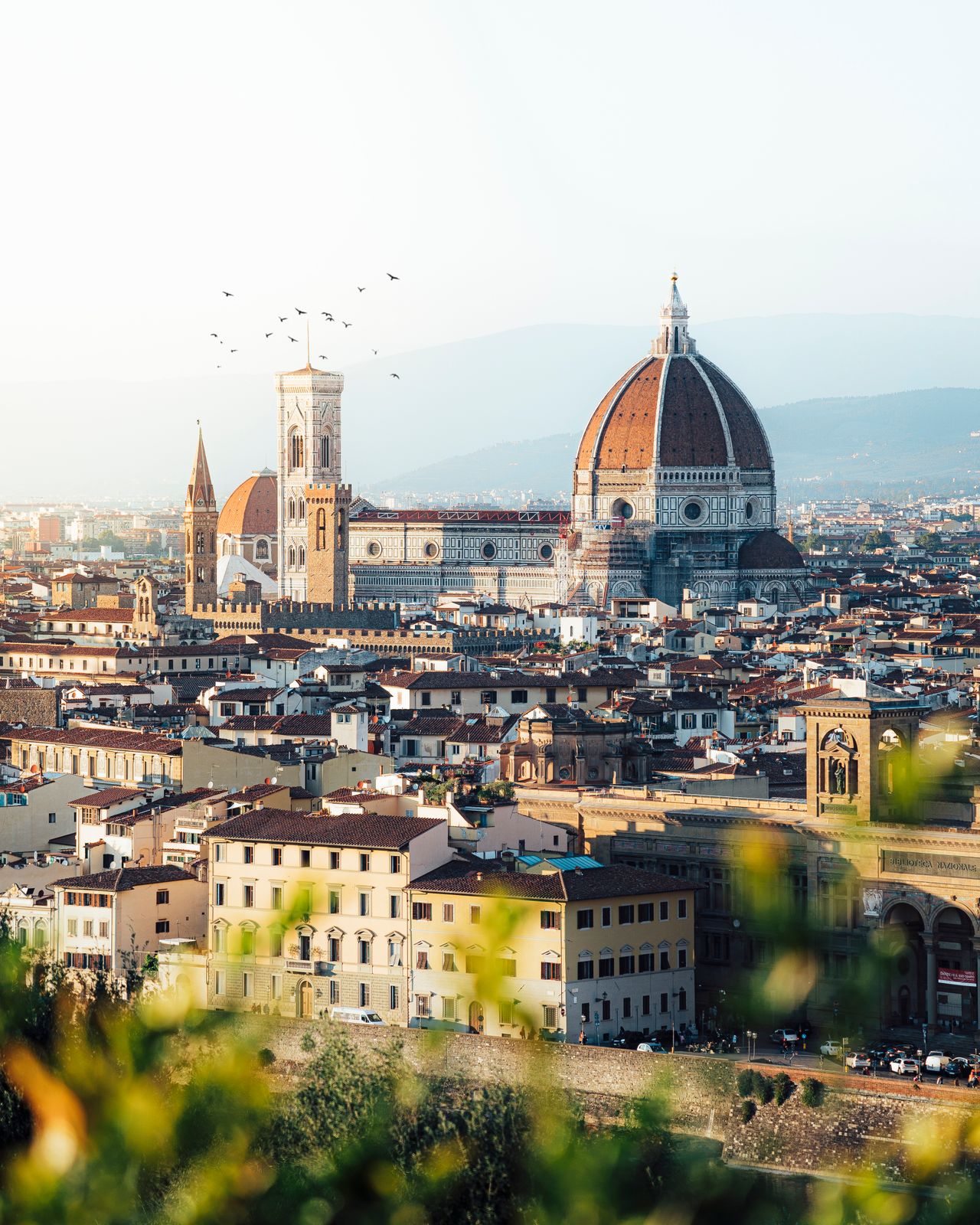
Florence is often described as an open-air museum.
It is an accurate description.
The city is filled with Renaissance architecture, extraordinary churches, sculptures, galleries and palaces.
The Uffizi, the Duomo and Michelangelo’s David attract visitors from around the world.
But Florence has another advantage.
It is small enough to experience intimately.
Rather than spending your entire visit moving from one major attraction to another, Florence allows you to slow down and explore the relationship between art, craftsmanship, food and everyday life.
Discover Florence through its artisans
Perhaps the most rewarding way to experience Florence is through craftsmanship.
The city has a long tradition of leatherworking, jewellery, bookbinding, paper making, tailoring and other artisanal skills.
These traditions are particularly interesting for luxury travellers because they reveal where much of the concept of Italian quality actually comes from.
Instead of visiting only luxury boutiques, look for the workshops behind the products.
A private artisan experience can provide an opportunity to see how an object is made, understand the materials involved and perhaps commission something personally.
A handmade leather item created in Florence carries a very different meaning from an anonymous luxury purchase.
It connects the traveller directly to the destination.
Explore Florence through the Medici
The Medici family shaped Florence and, in many ways, helped create the Renaissance as we understand it today.
Their influence can still be seen throughout the city.
Palaces, churches, artworks and architectural projects all tell part of the story.
For travellers interested in history, a specialist guide can turn Florence into a fascinating journey through power, art and ambition.
Rather than simply admiring the architecture, you begin to understand why it exists.
Why did the Medici invest so heavily in art?
How did artists such as Michelangelo and Botticelli operate within this environment?
How did Florence become such an influential centre of European culture?
These questions add depth to even the most famous attractions.
Watch the sunset from above the city
Florence is one of those rare cities where the view itself becomes part of the experience.
The city’s historic centre is surrounded by hills, providing spectacular viewpoints across the rooftops and towards the Tuscan countryside.
Piazzale Michelangelo is the classic location, but luxury travellers can take the experience further by combining a private excursion with an aperitivo or dinner.
As the sun sets, the terracotta rooftops of Florence begin to glow.
The Duomo dominates the skyline.
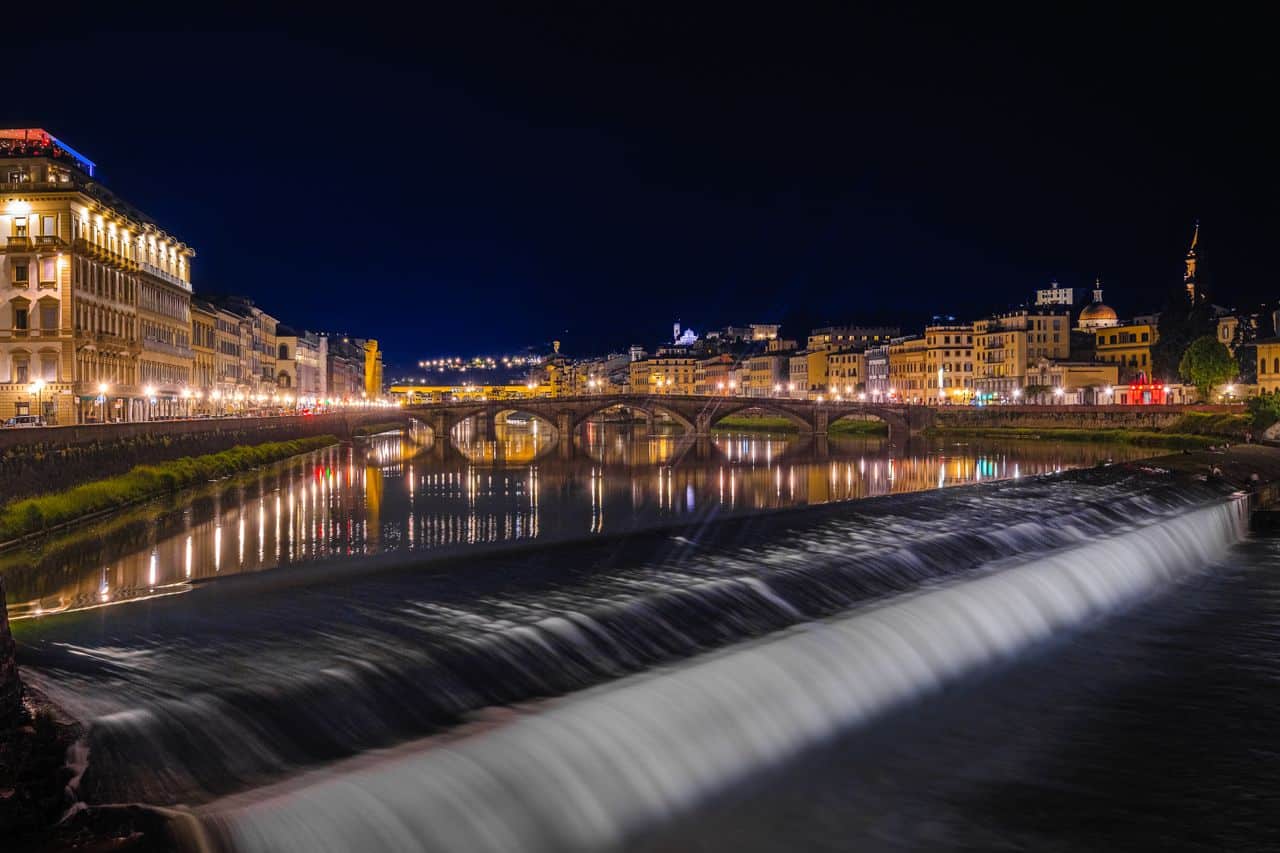
The Arno reflects the changing light.
And beyond the city lies the landscape of Tuscany.
It is one of the simplest experiences in Italy, but also one of the most memorable.
Continue into the Tuscan countryside
One of Florence’s greatest advantages is its relationship with the surrounding region.
Within a relatively short distance, the urban environment gives way to vineyards, olive groves, medieval villages and historic estates.
A private day trip into Tuscany can therefore become an extension of the Florence experience.
Instead of a standard sightseeing excursion, consider arranging a private visit to a winery or historic estate.
Taste regional wines.
Learn about olive oil production.
Enjoy a long lunch.
Walk through the vineyards.
And return to Florence in the evening.
The pace is deliberately slow.
That is part of the luxury.
Experience Florence through food
Tuscan food is based on simplicity and quality.
The region is known for its use of excellent olive oil, seasonal vegetables, bread, beans, meat and local wines.
For visitors accustomed to elaborate fine dining, this simplicity can be surprisingly sophisticated.
A private chef’s table or cooking experience provides an opportunity to explore the relationship between ingredients and place.
Food becomes a way of understanding Tuscany.
And that is perhaps the greatest strength of Italian gastronomy.
The best meals are rarely just meals.
They tell a story.
The Florence experience
Best for: Renaissance art, craftsmanship, wine, gastronomy and culture
Ideal length: 3–4 nights, plus optional time in Tuscany
Don’t just: Visit the Uffizi and photograph the Duomo
Do instead: Meet artisans, explore Medici history, experience Tuscan gastronomy and watch Florence from above at sunset
Florence is a city where luxury is often found in detail rather than extravagance.
3. Milan: Experience Italy’s Modern Luxury Capital
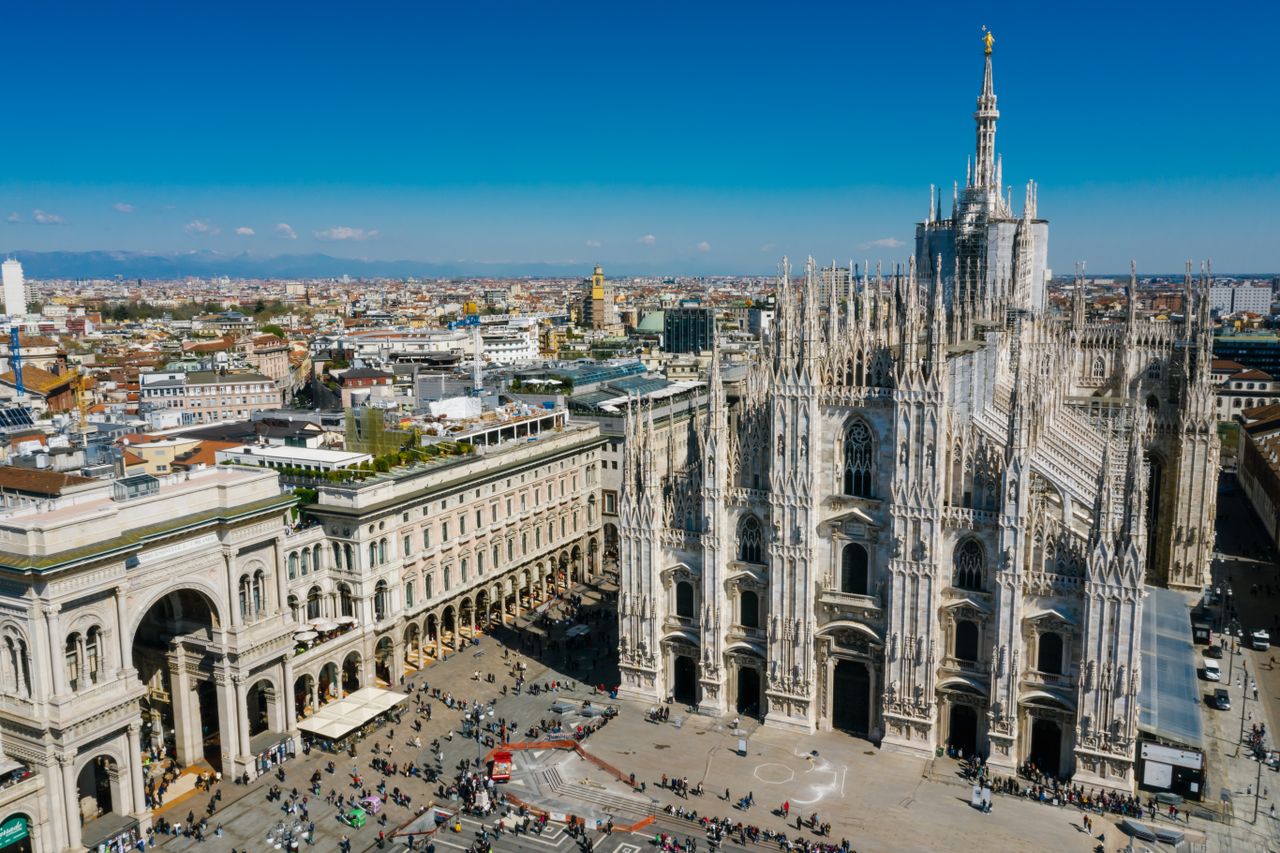
Milan is sometimes overlooked by travellers who associate Italy primarily with ancient history and picturesque landscapes.
That is a mistake.
Milan represents another side of the country.
It is Italy’s capital of fashion, design, business and contemporary culture.
The city is sophisticated, energetic and forward-looking.
And while the Duomo and Galleria Vittorio Emanuele II remain essential, Milan becomes particularly interesting when you explore what happens beyond them.
Discover the world of Italian fashion
Milan’s relationship with fashion is fundamental to the city’s identity.
The Quadrilatero della Moda is one of the world’s most famous luxury shopping districts, but shopping is only one way to experience it.
For fashion enthusiasts, a private fashion-focused experience can reveal the history behind Italian brands, designers and craftsmanship.
The real story of Italian fashion is not simply about logos.
It is about tailoring, materials, construction and design.
A visit to a specialist atelier can therefore be more fascinating than walking through another department store.
Seeing how garments are made provides a different perspective on what “Made in Italy” actually means.
Explore Milan’s design culture
Milan is also one of the world’s great design capitals.
Furniture, architecture, lighting and industrial design play an important role in the city’s cultural identity.
During Milan Design Week and especially the Salone del Mobile, the city undergoes a remarkable transformation.
Exhibitions, installations and events appear throughout different neighbourhoods, turning Milan into an enormous celebration of design.
For travellers visiting during this period, the experience can extend far beyond the main exhibition venues.
Historic buildings, galleries, courtyards and private spaces become temporary showcases for international and Italian designers.
The result is a city that feels completely different from Milan at any other time of year.
For anyone interested in architecture, interiors, fashion or contemporary culture, this can be one of the most exciting periods to visit.
Go behind the scenes of Italian opera
Milan’s cultural heritage extends far beyond fashion.
La Scala is one of the world’s most famous opera houses.
For opera lovers, attending a performance is an obvious highlight.
But the experience can become even more interesting when combined with an understanding of the institution itself.
The history of La Scala is intertwined with the development of Italian opera and some of the country’s greatest composers and performers.
A specialist cultural experience can introduce visitors to the world behind the curtain.
The architecture, costumes, musicians, stagecraft and traditions all contribute to the extraordinary atmosphere.
Even travellers who would not normally consider themselves opera enthusiasts may find the experience surprisingly compelling.
Discover Milan’s hidden courtyards
One of Milan’s most interesting secrets is found behind its façades.
The city contains numerous elegant courtyards hidden behind apparently ordinary entrances.
Some belong to historic palaces.
Others are associated with residential buildings, workshops or religious institutions.
A guided architectural walk can reveal these spaces and explain how Milan developed from a medieval city into the sophisticated modern capital it is today.
The experience is typical of what makes Italian cities so rewarding.
You do not necessarily need to find another major monument.
Sometimes you simply need someone who knows which door to open.
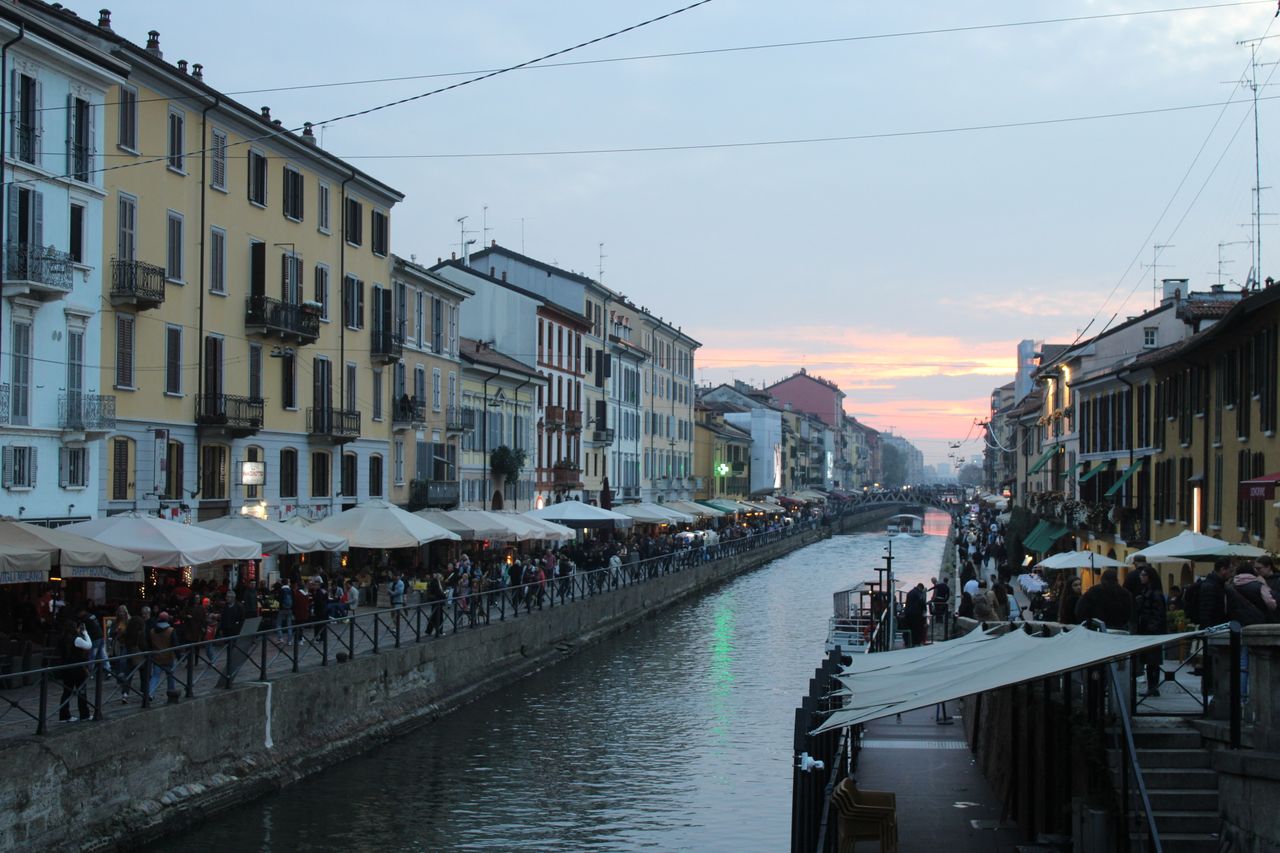
Make an evening of Milan
Milan has a distinctly cosmopolitan nightlife.
The aperitivo tradition is central to the city’s social culture.
Instead of treating aperitivo as simply a pre-dinner drink, make it the beginning of an evening.
Start around Brera or another atmospheric neighbourhood.
Enjoy cocktails and small dishes.
Continue to a sophisticated restaurant.
Then explore Milan after dark.
The city feels particularly elegant in the evening, when the architecture is illuminated and the fashion-conscious crowds move between restaurants, bars and cultural venues.
For luxury travellers, Milan offers something that the more historic Italian destinations cannot quite replicate.
It feels contemporary.
It feels international.
And yet it remains unmistakably Italian.
The Milan experience
Best for: Fashion, design, gastronomy, architecture and contemporary culture
Ideal length: 3–4 nights
Don’t just: Visit the Duomo and go shopping
Do instead: Explore Italian craftsmanship, discover hidden courtyards, experience design culture and immerse yourself in Milan’s sophisticated evening scene
Milan demonstrates that luxury in Italy is not only historical.
It is also modern.
Three Cities, Three Different Italies
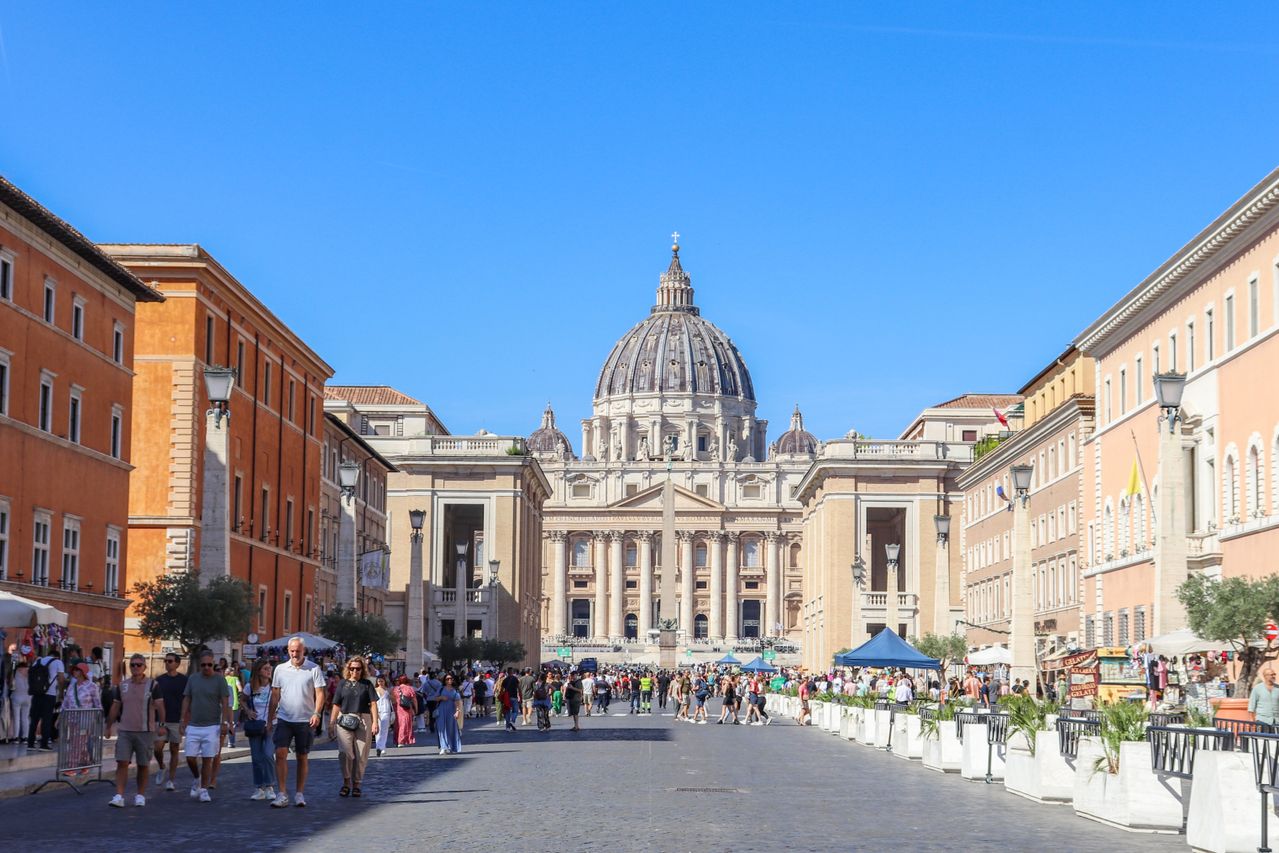
Rome, Florence and Milan offer three remarkably different experiences.
Rome is the Italy of history and grandeur.
It is a city where ancient civilisation, Renaissance art and modern life exist almost on top of one another.
Florence is the Italy of art and craftsmanship.
Here, the Renaissance is not simply something found in museums. It remains part of the city’s identity.
Milan is the Italy of contemporary luxury.
Fashion, design, gastronomy and business have created a cosmopolitan city that looks firmly toward the future.
Together, they demonstrate why Italy continues to be one of Europe’s most compelling luxury destinations.
The Italian Art of Experiencing More by Doing Less
Perhaps the greatest lesson for luxury travellers is that Italy does not need to be rushed.
There is always another church.
Another museum.
Another palace.
Another restaurant.
Another village.
Trying to see everything can easily turn a sophisticated holiday into a checklist.
Instead, choose a few experiences and give them time.
Spend an afternoon with an artisan.
Have a three-hour lunch.
Take a private boat at sunset.
Explore an ancient neighbourhood after dark.
Visit a vineyard without worrying about what comes next.
Sit in a piazza and watch the city go by.
These moments are not interruptions to the itinerary.
They are the itinerary.
Beyond the Famous Italy
Italy’s most famous attractions deserve their reputation.
The Colosseum is extraordinary.
The Duomo of Florence is magnificent.
Milan’s cathedral is unforgettable.
But the most memorable Italian experiences often happen slightly away from the obvious.
Behind the workshop door.
Inside a small restaurant.
On a quiet street after sunset.
At a family-owned vineyard.
In a historic courtyard.
At a local celebration.
Or around a dinner table where the food, wine and conversation continue long after the plates have been cleared.
For the modern luxury traveller, this is increasingly what Italy represents.
Not simply exclusivity.
Not simply five-star hotels or Michelin-starred restaurants.
But access to experiences that feel personal, authentic and impossible to replicate elsewhere.
Italy has been welcoming travellers for centuries.
The challenge today is not discovering Italy.
It is discovering your own version of it.
And sometimes the best way to do that is to step just a little beyond the obvious.