Andorra – Luxery vacation
Hidden high in the Pyrenees between France and Spain lies a country so small that many international travellers have barely heard of it. There are no international airports, no coastline, no sprawling metropolis and none of the global fame associated with Monaco, Switzerland or the glamorous resorts of the French Alps.
And that is precisely what makes Andorra so fascinating.
This tiny independent principality is a world of dramatic mountain peaks, elegant ski resorts, thermal spas, sophisticated hotels, excellent restaurants and centuries-old villages. It combines elements of Spain, France and the wider Alpine world, yet retains a distinct identity of its own. For travellers searching for luxury without the crowds and predictability of Europe’s most famous destinations, Andorra may be one of the continent’s best-kept secrets.
At Luxuryvacation.travel, we believe some of the most memorable journeys begin in places you did not originally think of visiting. Andorra belongs firmly in that category.
A tiny country with a remarkable story
The Principality of Andorra covers only around 468 square kilometres and is nestled entirely within the eastern Pyrenees. Spain lies to the south and France to the north, while mountains dominate almost every horizon.
Despite its size, Andorra is an independent sovereign country with a history stretching back centuries. Its political system is particularly unusual: the country is a parliamentary co-principality whose heads of state are the President of France and the Bishop of Urgell in Spain.
The official language is Catalan, reflecting the country’s strong cultural connections to Catalonia, although Spanish and French are also widely encountered. International visitors will generally find tourism-oriented hotels, restaurants and businesses accustomed to welcoming guests from abroad.
Andorra uses the euro, despite not being a member of the European Union.
Then there is the altitude. Andorra la Vella, the capital, sits at more than 1,000 metres above sea level, surrounded by mountains rising dramatically on either side. Travelling through the country consequently feels very different from visiting a conventional European city destination.
Here, the mountains are never merely somewhere in the distance. They are part of everyday life.
The luxury of being somewhere unexpected
There are destinations where luxury means being seen.
And then there are places where luxury means disappearing.
Andorra increasingly belongs to the latter category.
It is possible to wake in a sophisticated mountain hotel, open the curtains to snow-covered peaks, spend the morning skiing, enjoy a long lunch overlooking the mountains and finish the afternoon immersed in warm thermal water.
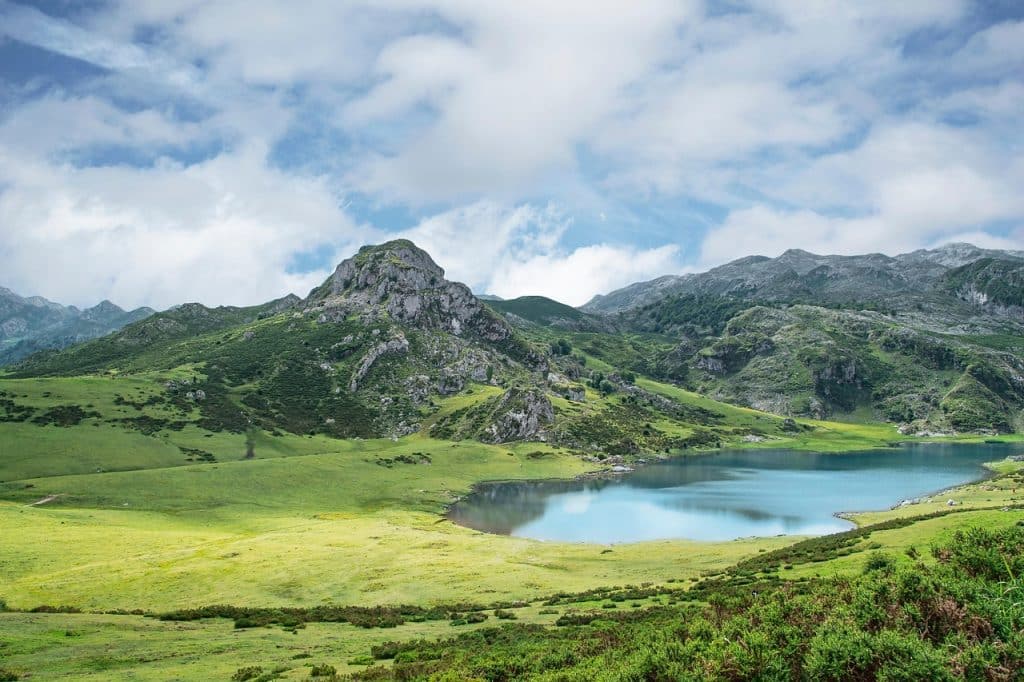
In summer, those same mountains transform into a landscape of green valleys, forests, high-altitude lakes and hiking trails.
There is an appealing understatement to the experience. Andorra does not attempt to replicate Courchevel, St. Moritz or Gstaad. Instead, its luxury comes from space, nature, excellent accommodation and the wonderful feeling of having discovered somewhere that remains outside the usual international luxury-travel circuit.
Soldeu – the sophisticated side of the mountains
For travellers looking for an upscale mountain experience, Soldeu is one of the most interesting places to begin.
The village sits at approximately 1,800 metres in the mountains and provides direct access to Grandvalira, Andorra’s enormous ski domain.
This is where rustic Pyrenean architecture meets modern mountain luxury. Stone, timber, fireplaces and panoramic windows create the classic high-altitude atmosphere, while sophisticated hotels offer spas, gastronomy and premium services.
One of the country’s flagship properties is Sport Hotel Hermitage & Spa, a five-star mountain hotel positioned at 1,850 metres and directly at the Grandvalira slopes. The resort combines high-end accommodation with direct access to its large Sport Wellness Mountain Spa, while private residences provide another level of exclusivity for guests wanting more space and privacy.
Imagine waking before the lifts open, drinking coffee while morning sunlight moves slowly across the Pyrenees and then stepping almost directly from your hotel into a day of skiing.
It is an experience comparable in spirit to Europe’s famous Alpine resorts, yet Andorra remains considerably less familiar to international luxury travellers.
Grandvalira – a winter playground in the Pyrenees
Andorra’s greatest international reputation comes from skiing.
Grandvalira connects several mountain sectors and communities, including Soldeu, El Tarter, Grau Roig and Pas de la Casa, creating a vast playground for skiers and snowboarders.
The landscape provides everything one expects from a sophisticated European ski holiday: long mountain days, panoramic restaurants, après-ski, ski schools, equipment rental and accommodation ranging from comfortable family hotels to exclusive mountain retreats.
Yet the atmosphere can feel less self-conscious than some of Europe’s most fashionable resorts.
You come here primarily for the mountains.
That distinction is important.
For experienced travellers who have already visited the celebrated ski destinations of Switzerland, Austria, Italy and France, Andorra offers something refreshingly different: another European mountain culture waiting to be discovered.
The private chalet experience
Perhaps the ultimate Andorran luxury is not a conventional hotel suite at all.
Private mountain residences and chalets are becoming an increasingly compelling way to experience the principality, particularly for families or groups travelling together.
At the exclusive end of the market, Hermitage Mountain Residences in Soldeu offers residences ranging from approximately 120 to 250 square metres, combined with the services associated with a five-star hotel. The same resort also offers Hermitage Mountain Lodge – Borda Calbó, a four-bedroom ski-in/ski-out villa on the slopes of El Tarter.
It is exactly the sort of accommodation that suits modern luxury travel.
Rather than merely booking a room, guests can create their own private mountain world: breakfast overlooking the snow, afternoons beside the fire and evenings shared around a dining table after everyone has returned from the slopes.
Wellness surrounded by mountains
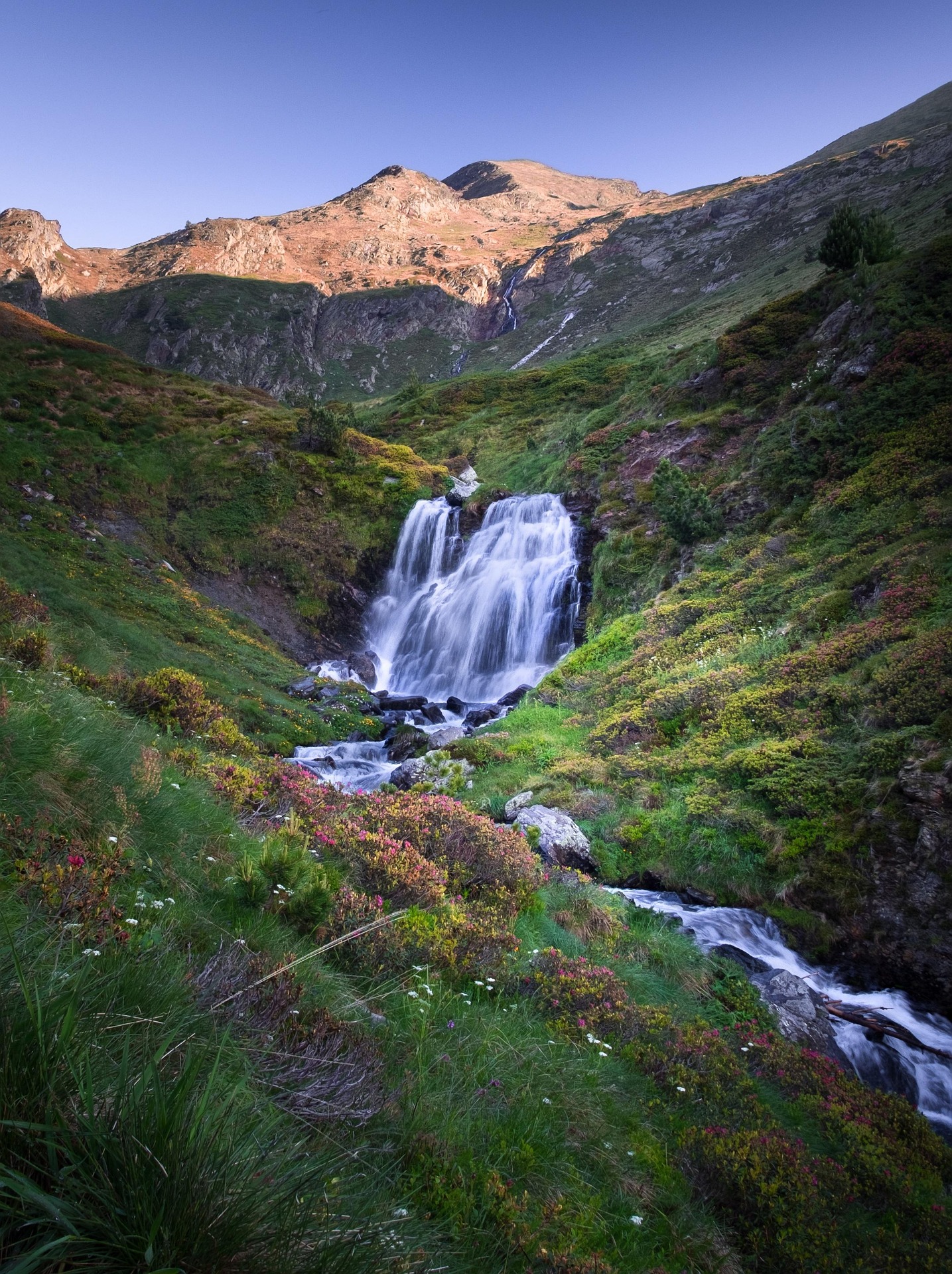
Andorra has another great attraction that surprises many first-time visitors: wellness.
The country has become particularly associated with thermal bathing and spa culture, providing the perfect counterpoint to its active mountain lifestyle.
The idea of skiing or hiking for several hours before disappearing into warm water is almost irresistible.
The country’s best-known wellness landmark is Caldea in Escaldes-Engordany, a striking thermal complex whose futuristic architecture rises unexpectedly from the valley.
Andorra’s luxury hotels have also embraced wellness enthusiastically. Mountain spas, pools, saunas, treatment rooms and relaxation areas have become central elements of the country’s premium hospitality experience.
This makes Andorra particularly attractive to couples.
A holiday here does not have to revolve around skiing from morning until late afternoon. A more indulgent itinerary could combine a few hours on the mountain with spa treatments, lunch, shopping and an unhurried evening over dinner and wine.
Sometimes luxury is simply having nowhere else you need to be.
Andorra in summer – perhaps the greatest secret of all
Many travellers associate Andorra almost exclusively with winter.
That is a mistake.
When the snow retreats, another country appears.
Green mountainsides replace ski pistes, streams tumble through the valleys and high-altitude lakes become destinations for hikers. Cycling, mountain biking, golf and scenic walks turn Andorra into an exceptionally attractive summer retreat.
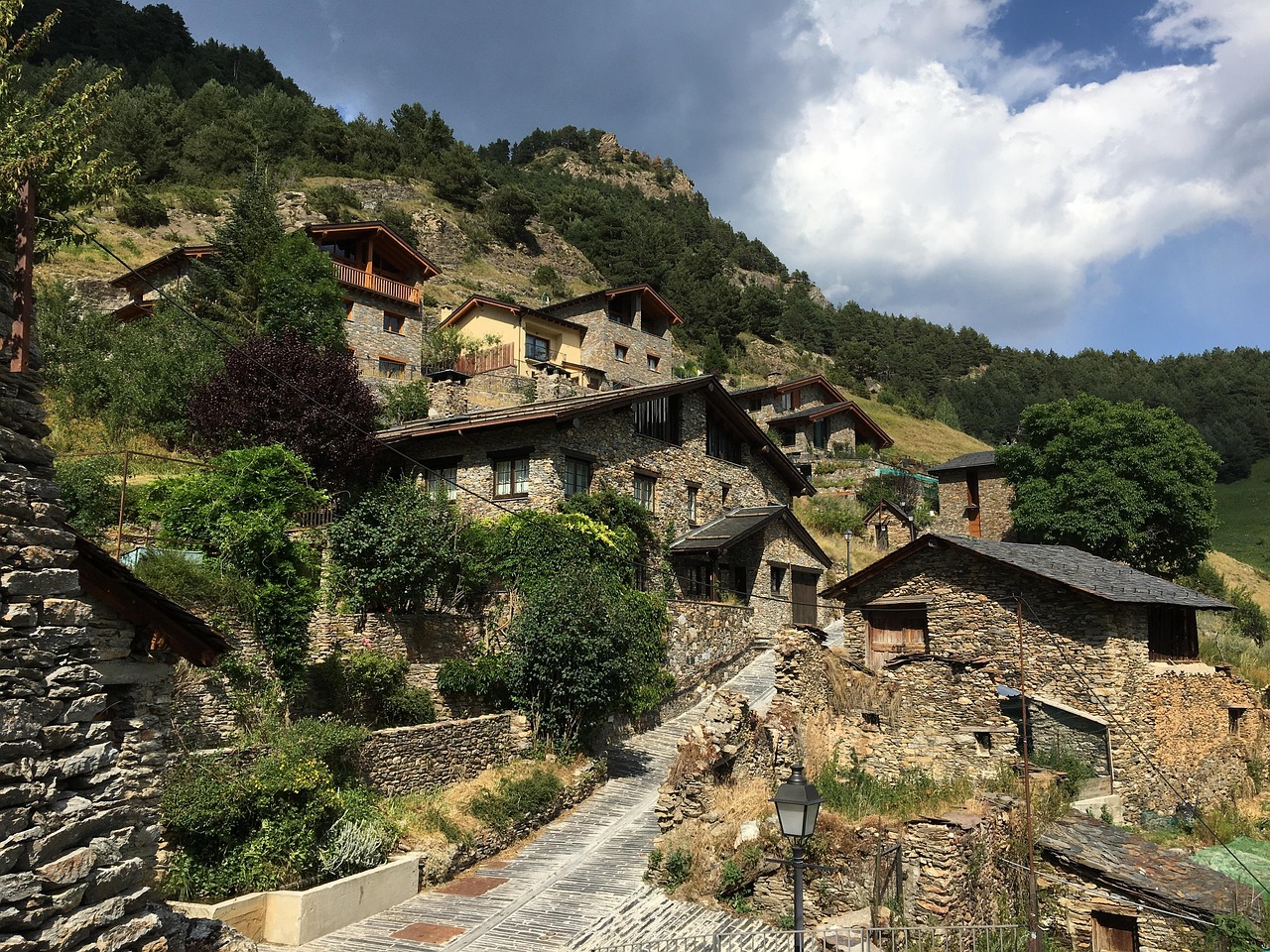
More than 90 percent of the country’s territory is natural landscape, and visitors can explore an extensive network of marked hiking routes.
The atmosphere can be wonderfully peaceful.
A summer morning might begin with breakfast on a mountain terrace before a walk through pine forests towards a remote lake. Lunch could follow in a traditional mountain restaurant before returning to the hotel for a massage, a swim and dinner.
There is also something increasingly luxurious about escaping the intense summer heat experienced in many Mediterranean destinations. Andorra’s altitude provides an entirely different environment.
Instead of beach clubs and crowded promenades, imagine cool mountain mornings, clear air and dinner beneath a Pyrenean sky.
A UNESCO landscape covering almost a tenth of the country
For such a tiny nation, Andorra contains an extraordinary amount of wilderness.
Its greatest natural and cultural treasure is the Madriu-Perafita-Claror Valley, designated a UNESCO World Heritage Site.
The protected cultural landscape covers 4,247 hectares – approximately nine percent of Andorra’s entire territory – and preserves a remarkable example of how people have lived and worked in the high Pyrenees over centuries. Visitors encounter glacial landscapes, forests, open pastures, stone paths, historic settlements and evidence of traditional pastoral life. (UNESCO World Heritage Centre)
There is no grand entrance gate or monumental palace announcing that you have reached somewhere important.
The landscape itself is the monument.
For sophisticated travellers increasingly searching for authenticity rather than manufactured attractions, this is one of Andorra’s greatest strengths.
Tiny villages and Romanesque heritage
The glamorous side of Andorra tells only half the story.
Leave the main shopping areas and resort centres and the country quickly reveals an older identity.
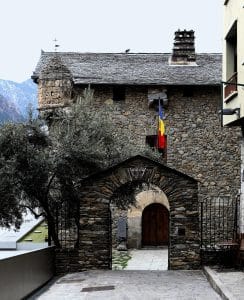
Small villages sit beneath towering mountains. Stone houses cluster around medieval churches. Romanesque architecture appears unexpectedly along roads and walking routes.
Ordino is particularly attractive for travellers who enjoy historical mountain villages. Its narrow streets, stone architecture and peaceful setting provide a contrast to the busier capital and ski resorts.
This combination of old and new gives Andorra considerable character.
You might spend the morning surrounded by modern luxury and the afternoon walking through landscapes shaped by shepherds and mountain communities hundreds of years ago.
Andorra la Vella – one of Europe’s most unusual capitals
Andorra la Vella is not a capital in the conventional sense.
There are no enormous boulevards or vast government districts. Instead, the city stretches through a narrow mountain valley, creating an unusual mixture of urban life and dramatic scenery.
Its historic quarter reveals the older Andorra, while its modern districts are filled with hotels, restaurants and shops.
Shopping has long been one of the country’s major attractions. Andorra operates a low-tax retail environment, and visitors traditionally come from neighbouring France and Spain to shop for items including cosmetics, perfume, electronics, fashion and sporting equipment.
For luxury travellers, it adds another dimension to the journey.
A morning spent in the mountains can easily become an afternoon browsing boutiques in the capital before dinner and cocktails.
Visitors travelling onward into the European Union should, however, remember that customs allowances apply when bringing goods out of Andorra.
A destination made for food lovers
Andorran cuisine reflects exactly where the country is located.
Expect influences from Catalonia, France and the mountain traditions of the Pyrenees.
Historically, this was food designed for people living at altitude through cold winters: meats, vegetables, potatoes, cheeses, mushrooms and slow-cooked dishes. Traditional specialities include escudella, a substantial soup or stew, and trinxat, generally prepared using cabbage, potato and pork.
One of the most atmospheric ways to experience traditional Andorran food is in a borda.
These stone mountain buildings were historically associated with agricultural life and livestock but some have been transformed into characterful restaurants. Sitting beside a fire in an old stone borda after a day in the mountains can be every bit as memorable as dining in a sophisticated contemporary restaurant.
Modern Andorra, however, goes far beyond rustic cooking.
Its luxury hotels and resorts have developed increasingly ambitious gastronomic experiences, allowing visitors to move effortlessly between traditional Pyrenean flavours and refined modern cuisine.
Cycling through a country of mountains
Cyclists may already know something that many luxury travellers do not.
Andorra is a serious cycling destination.
Its steep mountain roads, dramatic climbs and high-altitude environment have made the country attractive to professional riders as both a training base and a place to live.
For enthusiastic amateur cyclists, this creates another reason to visit outside winter.
Few experiences demonstrate Andorra’s scale better than cycling through it. Valleys connect tiny communities while mountain roads climb towards extraordinary viewpoints.
And the luxury traveller can approach cycling very differently from the professional athlete.
Ride in the morning. Return to the hotel. Have lunch. Book a massage. Spend the afternoon in the spa.
Luxury and adventure do not have to be opposites.
Golf at altitude
Golf is another unexpected Andorran experience.
In Soldeu, golfers can play at remarkable altitude surrounded by Pyrenean scenery. Sport Hotel Hermitage promotes access to what it describes as Europe’s highest nine-hole golf course, adding yet another summer dimension to a destination better known internationally for snow.
It perfectly illustrates the character of Andorra.
Even familiar activities feel different when they take place high in the mountains.
When should you visit Andorra?
There is no single perfect season because Andorra effectively offers two very different luxury holidays.
Winter is the obvious choice for skiing, snowboarding, fireplaces, mountain restaurants and spa evenings. Travellers seeking the classic snow-covered European mountain experience should generally look towards the main ski season.
Summer is for those who value nature, hiking, cycling, golf and cooler mountain temperatures.
Late spring and autumn can offer a quieter experience, although travellers should remember that mountain weather changes quickly and some seasonal businesses and mountain facilities may operate reduced schedules outside peak periods.
For travellers who value tranquillity above everything else, those quieter months can nevertheless be extremely appealing.
How do you actually get to Andorra?
This is one of the most important things for international visitors to understand.
Andorra does not have its own major international airport or railway station.
That might initially sound inconvenient.
In reality, it contributes to the feeling of entering somewhere secluded.
Most international visitors arrive through Spain or France. Barcelona is one of the most practical gateways, particularly for long-haul travellers, with the final journey completed by road. Toulouse in southern France is another useful international gateway depending on flight connections and itinerary.
For a luxury holiday, arranging a private transfer from the airport can transform this final stage into part of the experience itself.
As the urban landscape disappears and the road climbs towards the Pyrenees, the scenery becomes increasingly dramatic.
Eventually the mountains close around you.
You have arrived in Andorra.
What international travellers should know
Despite its unusual political status and location, travelling in Andorra is relatively straightforward.
The euro is the currency, Catalan is the official language and Spanish and French are commonly used. In luxury hotels and major tourism businesses, international guests are part of everyday life.
Travellers should nevertheless remember that Andorra is a sovereign country rather than simply a region of Spain or France.
International visitors should therefore check current passport, visa, customs, driving and mobile-roaming requirements applicable to their nationality before travelling, particularly because reaching Andorra normally requires entering through Spain or France.
Those renting a vehicle should also make sure their rental agreement permits driving into Andorra.
Winter visitors need to take mountain driving seriously. Snowfall can transform road conditions quickly, and appropriate winter equipment may be required.
Alternatively, a chauffeur or private transfer removes the practical concerns entirely.
Combine Andorra with Barcelona or southern France
For travellers arriving from another continent, Andorra becomes particularly interesting when incorporated into a larger European journey.
Imagine flying into Barcelona and spending several nights surrounded by architecture, gastronomy and Mediterranean energy before travelling into the Pyrenees.
Within a few hours, the atmosphere changes completely.
Palm trees and boulevards give way to forests and mountain roads. Barcelona’s late-night energy is replaced by fireplaces, spas and snow-covered peaks.
Travellers could equally combine Andorra with Toulouse and southern France, creating a journey through one of Europe’s most beautiful cross-border regions.
This makes the principality particularly suitable for international visitors who may not want to travel halfway around the world solely to visit a microstate, but would happily add four or five extraordinary mountain days to a longer European itinerary.
Why Andorra deserves the attention of luxury travellers
There was a time when luxury travel was defined primarily by famous addresses.
Paris. Monaco. St. Moritz. Courchevel. Capri.
Those destinations remain extraordinary, but modern luxury travellers are increasingly looking for something else: privacy, authenticity, nature and the satisfaction of discovering somewhere before everyone else does.
Andorra delivers those qualities in an unusually compact package.
You can ski world-class mountains, retreat into sophisticated hotels, soak in thermal water, explore medieval villages, walk through a UNESCO-protected valley, dine beside a fireplace, shop in the capital and wake the following morning surrounded by the Pyrenees.
Distances are short, but the experiences are remarkably varied.
Perhaps that is the best way to understand Andorra.
It is not trying to be the next Switzerland, Monaco or French Alps.
It is a tiny mountain kingdom with its own identity – and that is exactly why sophisticated travellers should discover it now.
For those who have already experienced Europe’s famous luxury destinations and are wondering where to go next, the answer may be hidden in the mountains between France and Spain.