Boutique Hotels: Luxury with soul
There was a time when choosing a luxury hotel was relatively straightforward. You looked for five stars, a prestigious name, an impressive lobby, a beautiful room and, ideally, a location that placed you close to everything you wanted to experience.
Today, luxury travellers are increasingly looking for something more difficult to define.
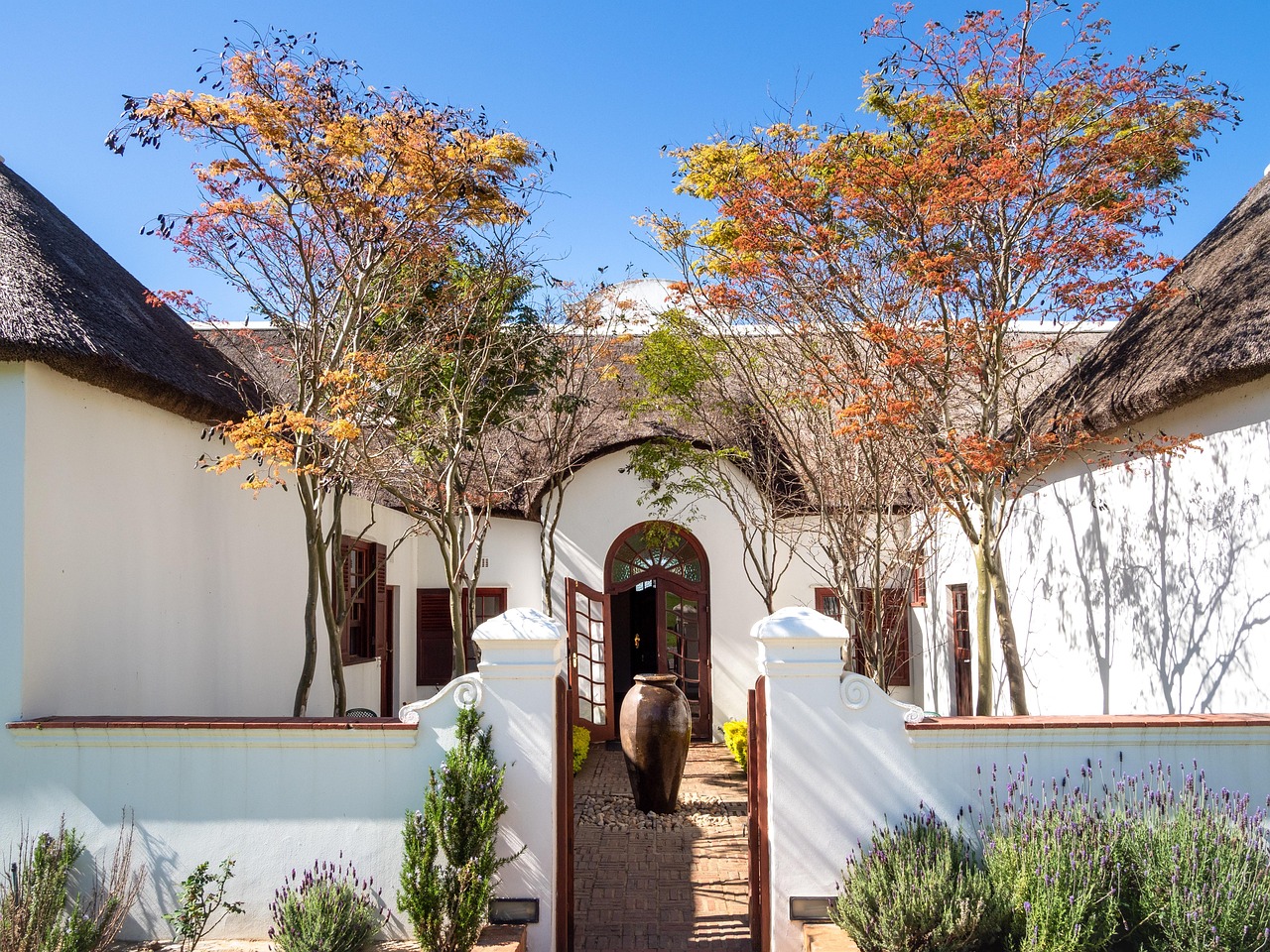
They want character.
They want a hotel that feels connected to the destination rather than interchangeable with another property on the other side of the world. They want a room they will remember, a breakfast they will talk about, a concierge who actually understands what they enjoy and experiences that could never have been created by a standardised hotel manual.
This is where the boutique hotel has become one of the most fascinating concepts in modern luxury travel.
The best boutique hotels are not simply smaller hotels. They are places with personality, atmosphere and a distinct sense of identity. They can be hidden inside historic townhouses, restored palaces, former monasteries, industrial buildings, contemporary architectural masterpieces or secluded villas. Some are glamorous and theatrical, others deliberately understated. Some are surrounded by vineyards or mountains, while others occupy coveted addresses in the heart of the world’s great cities.
What they have in common is that they attempt to make the hotel itself part of the journey.
And for many travellers, that is precisely what makes a boutique hotel so desirable.
What exactly is a boutique hotel?
There is no single universal definition of a boutique hotel, and that is part of the reason the term can be confusing. Academic research has described boutique hotels broadly as small, stylish properties offering high levels of service, while more recent research identifies characteristics including distinctive design, a strong sense of place, experience design and highly personalised service.
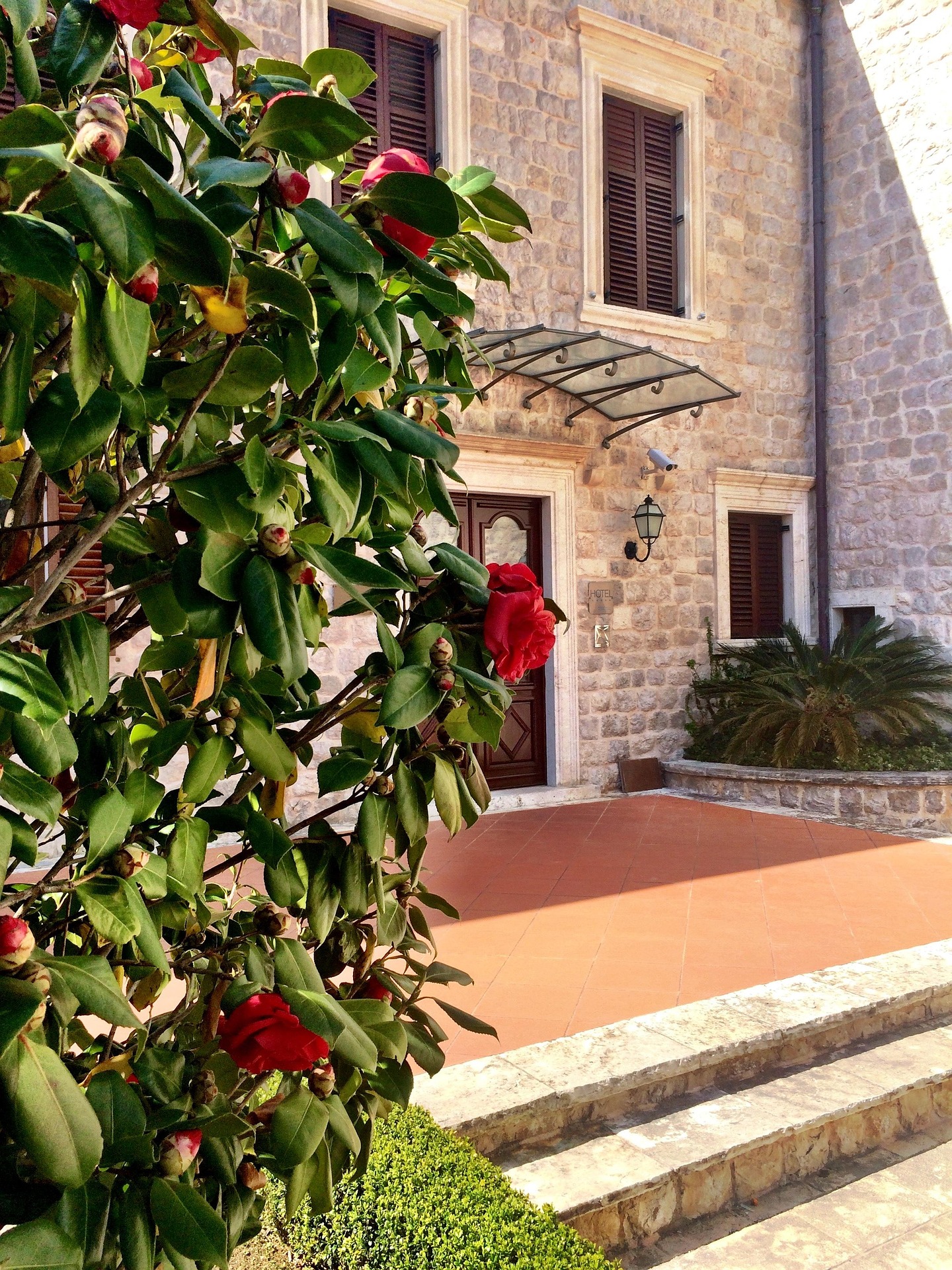
In practical terms, boutique hotels are generally smaller than large international resorts and convention hotels, often with somewhere between around ten and one hundred rooms. But size alone does not make a hotel boutique. A small hotel can still feel generic, while a genuinely exceptional boutique property can have a personality so strong that its identity becomes inseparable from the destination itself.
The word “boutique” originally comes from the world of fashion, where it suggests something carefully selected, individual and different from mass-produced alternatives. That philosophy translated naturally into hospitality.
The boutique hotel movement emerged in the 1980s, particularly in cities such as New York, London and San Francisco. The opening of Morgans Hotel in New York in 1984, associated with hoteliers Ian Schrager and Steve Rubell and designer Andrée Putman, is widely regarded as a defining moment in the development of the modern boutique hotel.
The idea was revolutionary in its simplicity.
Instead of creating another enormous hotel where every room looked like the next, why not create a smaller property where architecture, interiors, music, lighting, art, food and service all contributed to one coherent personality?
Four decades later, the idea has evolved into one of the most interesting segments of luxury hospitality.
Boutique does not necessarily mean luxury
One of the most important things to understand is that boutique and luxury are not synonyms.
A boutique hotel does not automatically become luxurious simply because it has twenty rooms and expensive furniture. Equally, a boutique hotel does not have to offer a traditional five-star experience to be successful.
The essence of boutique hospitality is individuality.
A property can be relatively affordable yet genuinely boutique if it offers distinctive design, personality, intimacy and highly personal service. Conversely, an expensive hotel can use the word “boutique” without delivering any of the qualities that make the concept special.
This distinction is particularly important for luxury travellers.
The best boutique hotels combine individuality with genuine quality. They offer beautiful surroundings, exceptional beds and linens, excellent bathrooms, thoughtful amenities, sophisticated dining and impeccable service, while retaining the sense that you are staying somewhere created with a particular vision.
The luxury comes not only from what the hotel provides, but from how it makes you feel.
Why do so many travellers prefer boutique hotels?
Perhaps the greatest attraction is the feeling that you have discovered somewhere rather than simply booked somewhere.
Large international hotel brands have enormous advantages. Their standards are familiar, their loyalty programmes can be valuable and travellers often know exactly what they are going to receive.
There is considerable comfort in that predictability.
But predictability is not always what we seek when we travel.
A boutique hotel can make a destination feel more personal. Rather than arriving at a familiar corporate environment that could exist in London, Dubai, Singapore or New York, you may walk through the doors of a property that immediately tells you where you are.
The architecture may reflect the history of the building. The artwork may come from local artists. The restaurant may focus on regional ingredients. The scent in the lobby may have been created specifically for the property. The books on the shelves may tell stories about the neighbourhood. The staff may recommend a tiny restaurant around the corner rather than the most famous establishment in town.
Suddenly, the hotel becomes part of the destination.
Travel becomes less about checking attractions off a list and more about experiencing a place.
The luxury of being recognised
Perhaps the most important advantage of a genuinely excellent boutique hotel is personal service.
When a hotel has hundreds or even thousands of rooms, delivering highly individualised service becomes difficult. A smaller property can create an environment where staff have a much better opportunity to understand individual guests and anticipate their preferences.
This does not necessarily mean that someone remembers your name and asks whether you want the same coffee every morning.
True personalisation is subtler.
It might mean that the concierge realises you prefer quiet restaurants and recommends somewhere away from the tourist centre. It might mean that the hotel arranges a private car because they know you have an early departure. It could mean that a bottle of your preferred wine is waiting in the room after a long journey.
The difference between good service and extraordinary service is often anticipation.
The best boutique hotels do not merely respond to what you ask for. They notice what you might need before you ask.
That creates a completely different relationship between guest and hotel.
Design that tells a story
Walk into an ordinary hotel room and you might struggle to remember it a week later.
Walk into a great boutique hotel room and you may immediately want to know who designed it.
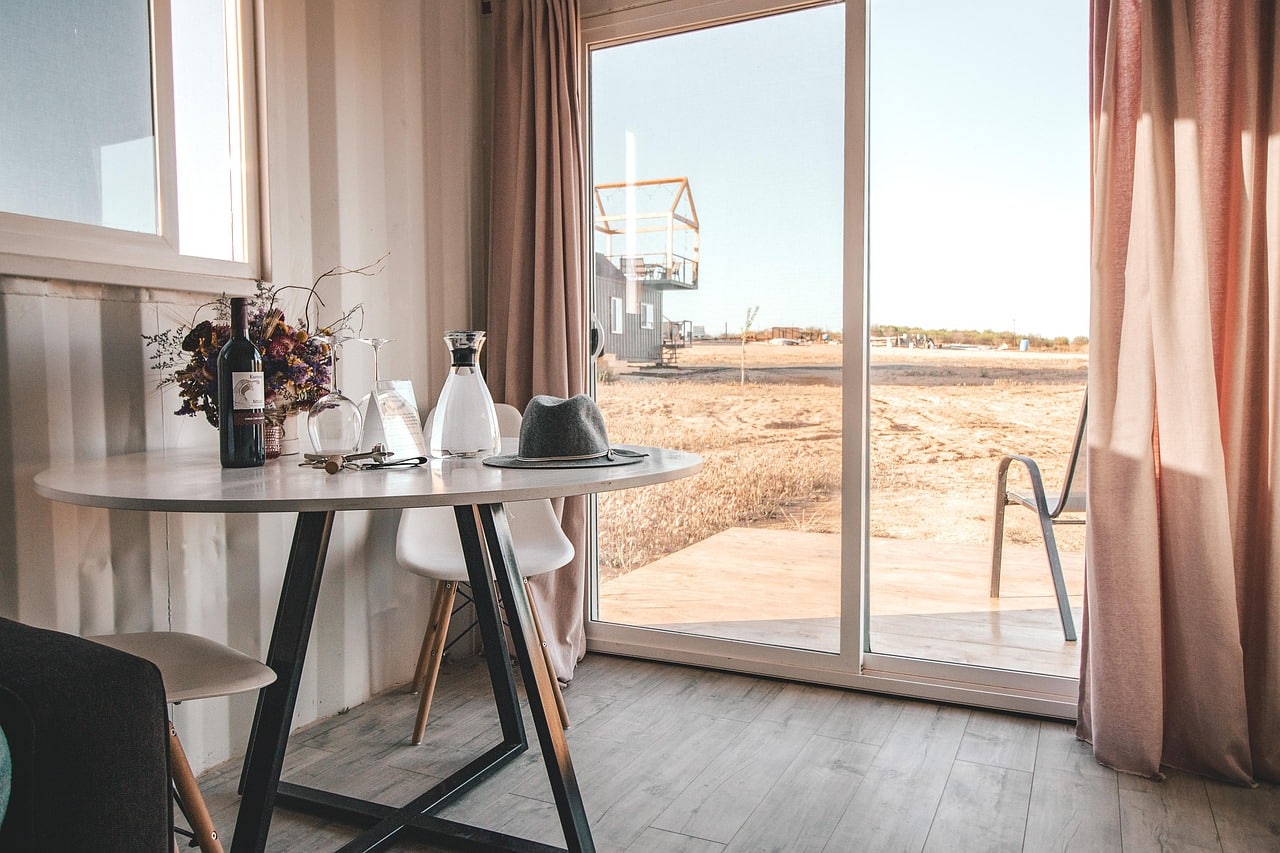
Design is one of the fundamental elements of the boutique hotel concept. Research into boutique hotels consistently identifies distinctive interior design, architecture, thematic identity and a strong sense of place as defining characteristics.
But great boutique design is not simply about making something visually impressive.
It should tell a story.
A restored Venetian palazzo might preserve original frescoes while introducing contemporary furniture. A mountain boutique hotel might use local stone, timber and wool to create an atmosphere that feels connected to its surroundings. A Parisian townhouse could combine original architectural details with modern art and sophisticated lighting.
The result should feel intentional.
Every chair, lamp, painting, fabric and architectural detail has a reason for being there.
This is why the best boutique hotels often attract travellers who appreciate architecture, interiors, art and design. The hotel itself becomes something to explore.
A strong sense of place
A truly memorable boutique hotel should make it possible to understand something about its destination without even leaving the property.
This is perhaps one of the most important differences between a boutique hotel and a standardised international hotel.
A great boutique property does not simply occupy a location.
It belongs there.
In a vineyard region, the hotel might have its own cellar and work closely with local producers. In an old European city, it might preserve the character of a centuries-old building. On a Greek island, the architecture might respond to the landscape and traditional materials. In Scandinavia, the hotel might embrace natural timber, minimalist design and the surrounding wilderness.
The destination becomes part of the hotel’s DNA.
For travellers who want authenticity, this can be enormously appealing. Boutique hotels can create what one travel publication describes as a sense of belonging, allowing visitors to feel more connected to the neighbourhood and local community rather than simply feeling like tourists passing through.
The best boutique hotels create experiences, not just accommodation
There is a fundamental difference between providing a room and creating a memorable stay.
A room gives you somewhere to sleep.
An experience gives you a story.
The finest boutique hotels understand this distinction.
Imagine arriving at a secluded hotel in Tuscany and discovering that the concierge has arranged a private visit to a family-owned vineyard that normally receives very few visitors. Or staying in a historic Scottish property where the evening begins with whisky tasting beside an open fire.
Perhaps you are staying on a small island in Croatia and the hotel arranges a private boat to a deserted cove for lunch. In Japan, the experience could involve a traditional tea ceremony arranged exclusively for guests. In the Swiss Alps, it might be a sunrise helicopter excursion followed by breakfast at a mountain lodge.
These experiences are not necessarily extravagant.
Sometimes the most memorable moments are remarkably simple.
A picnic prepared by the hotel and delivered to a secluded viewpoint. A handwritten recommendation for a neighbourhood restaurant. A private morning yoga session overlooking the sea. A bottle of local wine opened on a terrace as the sun disappears behind the mountains.
Luxury is increasingly about access, authenticity and emotion rather than simply excess.
Boutique hotels and food
Food has also become an increasingly important part of boutique hospitality.
Large hotels often need restaurants capable of serving hundreds of guests. Boutique hotels can take a different approach.
A small restaurant can be highly focused, seasonal and deeply connected to local producers. The chef may know the farmers personally. The menu might change according to what is available that morning.
This creates a different relationship with food.
Breakfast becomes more than a buffet. Dinner becomes an experience. The hotel bar becomes somewhere worth visiting even if you were not staying there.
Some boutique hotels deliberately build their identity around gastronomy, creating properties where food and wine are as important as architecture and accommodation.
For a luxury traveller, this can transform a hotel stay into a culinary journey.
Location matters enormously
A beautiful hotel in the wrong location is still the wrong hotel.
Boutique properties are often particularly strong when it comes to location because many occupy buildings or neighbourhoods with distinctive character. They can be found in historic city centres, artistic districts, former industrial areas, secluded countryside, vineyards, coastal villages and spectacular natural landscapes.
The ideal location depends entirely on the type of journey.
For a city break, being able to walk out of the hotel and immediately find independent restaurants, galleries, boutiques and historic streets can be more valuable than having a large swimming pool.
For a romantic escape, privacy and views may matter more.
For a wellness retreat, the surrounding landscape can be essential.
For an adventure holiday, access to mountains, ocean or wilderness may define the entire experience.
A good boutique hotel does not simply have an address. It has a relationship with its surroundings.
What makes a truly great boutique hotel?
The difference between an ordinary boutique hotel and an exceptional one is usually found in the details.
The best properties have a clear identity. You know what they are trying to be, and every part of the experience supports that idea.
The architecture, interiors, music, lighting, food, service and guest experiences feel connected rather than randomly assembled.
Quality is also non-negotiable.
A beautiful hotel with uncomfortable beds is not luxurious. A spectacular bathroom with poor water pressure is not luxurious. An Instagram-worthy restaurant with mediocre food is not luxurious.
True luxury requires consistency.
The best boutique hotels understand that guests notice everything.
They notice whether the room is genuinely quiet. They notice the quality of the mattress. They notice whether the towels are exceptional. They notice how quickly a request is handled. They notice whether breakfast feels fresh or mass-produced.
And perhaps most importantly, they notice whether the hotel genuinely cares.
The importance of atmosphere
Atmosphere is difficult to measure but impossible to ignore.
It is the feeling you experience when you enter the lobby late at night. It is the lighting in the restaurant. It is the sound of music coming from the bar. It is the smell of freshly baked bread at breakfast. It is the feeling of sitting beside a fireplace while rain falls outside.
A historic boutique hotel may feel romantic and mysterious.
A contemporary urban property may feel energetic and artistic.
A remote mountain retreat may feel peaceful and almost monastic.
There is no single formula.
The essential thing is that the atmosphere feels authentic.
Research into boutique hospitality has repeatedly emphasised intimacy as a central element of the concept, particularly when intimacy is understood as warm, caring and personalised rather than overly familiar.
That distinction matters.
The best boutique hotel makes you feel looked after without making you feel watched.
Boutique hotels for romantic escapes
Perhaps nowhere does the boutique hotel concept work better than on a romantic journey.
A small property creates a fundamentally different atmosphere from a giant resort. There are fewer people, quieter public spaces and often more opportunities for privacy.
A beautifully designed room with a private terrace can become part of the experience rather than simply somewhere to sleep.
For couples celebrating an anniversary, honeymoon or simply wanting to escape everyday life, boutique hotels offer an extraordinary range of possibilities.
A converted farmhouse in Provence. A historic palace in Venice. A private villa in the Greek islands. A design hotel overlooking the Mediterranean. A mountain lodge surrounded by snow.
The possibilities are almost endless.
And because the property itself is often highly individual, the stay can feel like something you have discovered together.
Boutique hotels for the modern luxury traveller
The growing popularity of boutique hotels reflects a broader change in the meaning of luxury.
For previous generations, luxury travel was often associated with status. The famous hotel, the largest suite, the most expensive car and the most recognisable brand were obvious symbols of wealth.
Modern luxury is increasingly personal.
For one traveller, luxury means having a private villa in the middle of nature. For another, it means staying in a tiny hotel where the owner personally recommends the best restaurant in town. Someone else may value a spectacular spa, while another traveller cares more about architecture and design.
Boutique hotels are particularly well suited to this new interpretation of luxury because they do not have to appeal to everyone.
They can be specific.
They can be eccentric.
They can take risks.
They can create a hotel for people who share a particular passion, aesthetic or way of travelling.
That is exactly what makes them interesting.
How to recognise a boutique hotel worth booking
The word “boutique” has become so widely used that travellers should be slightly sceptical when they see it.
A hotel can call itself boutique without necessarily delivering the experience associated with the concept. As the term has become increasingly popular, its meaning has become less precise, and industry observers have noted that some properties use it primarily as a marketing description.
Instead of focusing on the label, look at the entire experience.
Does the hotel have a distinctive identity?
Does the architecture or interior design tell a story?
Is there a genuine connection with the destination?
Does the property appear to have personality?
Are there thoughtful experiences available beyond the room?
Does the restaurant have a clear culinary identity?
Do reviews repeatedly mention attentive, intelligent service rather than simply friendly staff?
And perhaps the most important question: Would you remember this hotel six months after staying there?
If the answer is yes, you may have found something special.
Boutique versus traditional luxury hotels
There is no universal winner between boutique and traditional luxury hotels.
They serve different desires.
A major luxury resort can provide enormous swimming pools, several restaurants, extensive children’s facilities, a world-class spa, private beaches, multiple bars and an extraordinary range of services.
A boutique hotel might offer only thirty rooms, one restaurant, a small pool and a handful of beautifully designed public spaces.
Yet the boutique property may leave a deeper impression.
For some travellers, the extensive facilities of a major resort are exactly what makes a holiday luxurious. For others, the absence of crowds and the presence of character are far more valuable.
The choice ultimately comes down to what you want your journey to feel like.
The boutique hotel as a destination in itself
Perhaps the highest compliment you can give a hotel is that you did not want to leave.
That is when accommodation becomes destination.
The best boutique hotels can achieve this because they offer enough atmosphere, beauty, gastronomy, wellness and personal service to become an experience in their own right.
You might arrive planning to explore the city and suddenly find yourself spending an afternoon reading beside the hotel’s pool.
You might plan a day of sightseeing but decide that breakfast on the terrace followed by a massage and a long lunch is exactly what you needed.
You might travel thousands of kilometres for the destination but return home talking mostly about the little hotel you discovered there.
That is the magic of boutique hospitality.
The future of luxury may be smaller
The world does not necessarily need more enormous hotels.
It needs more interesting ones.
As travellers become increasingly experienced, the familiar becomes less exciting. Someone who has stayed in dozens of five-star chain hotels may no longer be impressed simply because the lobby is large and the room has a marble bathroom.
They want a story.
They want authenticity.
They want to feel that their journey could not have happened in quite the same way anywhere else.
Boutique hotels are uniquely positioned to deliver that feeling.
The best of them combine the things luxury travellers have always valued – comfort, service, beautiful surroundings and exceptional food – with something that cannot easily be bought or replicated: personality.
And perhaps that is the ultimate luxury.
Not staying somewhere that everyone knows.
But discovering somewhere that feels as though it was waiting for you.
For the discerning traveller, a great boutique hotel is more than a place to stay. It is part of the story you came home to tell.