Lofoten, Norway: The Ultimate Travel Guide to One of the World’s Most Spectacular Island Destinations
Discover dramatic Arctic mountains, turquoise waters, traditional fishing villages, Northern Lights and extraordinary coastal experiences. From luxury waterfront cabins to unforgettable seafood dinners, Lofoten offers a remarkable journey into the wild beauty of Northern Norway.
A destination unlike anywhere else in the world
Imagine waking up in a traditional wooden fishing cabin overlooking a crystal-clear fjord. Outside, steep mountains rise directly from the sea, fishing boats glide across the harbour, and the air carries the fresh scent of the Arctic Ocean. In summer, the sun barely disappears below the horizon. In winter, the Northern Lights may illuminate the sky above the mountains.
Welcome to Lofoten, one of Norway’s most extraordinary travel destinations.
Located above the Arctic Circle in Northern Norway, the Lofoten archipelago is famous for its dramatic landscapes, white-sand beaches, picturesque fishing villages and remarkable natural light. Here, some of the country’s most beautiful coastal scenery unfolds along winding roads, secluded bays and mountain-framed fjords.
Yet Lofoten is much more than a beautiful place to photograph. It is a living coastal community shaped by centuries of fishing, maritime traditions, local craftsmanship and a close relationship with nature.
For international travellers, Lofoten offers a distinctive combination of wilderness and comfort. You can spend the day hiking through spectacular mountain scenery, kayaking across calm Arctic waters or exploring historic fishing settlements, then return to a beautifully designed waterfront cabin, enjoy freshly caught seafood and watch the evening light transform the landscape.
Whether you are planning a romantic escape, a luxury road trip, an outdoor adventure or a once-in-a-lifetime journey through Norway, Lofoten deserves a place on your itinerary.
Where is Lofoten, and why should you visit?
Lofoten lies in Nordland county in Northern Norway, surrounded by the Norwegian Sea. Although the islands are situated well north of the Arctic Circle, the region enjoys a relatively mild coastal climate compared with many other destinations at similar latitudes, thanks to the warming influence of the North Atlantic Current.
The main islands are connected by bridges, tunnels and roads, making it possible to explore much of the archipelago by car. The E10 is the principal road through the islands, linking fishing villages, mountain viewpoints, beaches and small coastal communities.
Lofoten’s appeal lies in its extraordinary contrasts. Sharp mountain peaks stand above white beaches. Red fishing cabins contrast with deep blue water. Traditional fishing boats share the coastline with contemporary art galleries, boutique accommodation and ambitious restaurants.
The scenery changes constantly as you travel. A short drive may take you from a sheltered harbour to an exposed Atlantic beach, through a mountain tunnel and into a valley surrounded by steep peaks.
For travellers accustomed to conventional beach holidays or major European cities, Lofoten offers a very different experience: a destination where nature sets the rhythm and the journey itself becomes one of the main attractions.
The best places to visit in Lofoten
Reine: The iconic Lofoten postcard
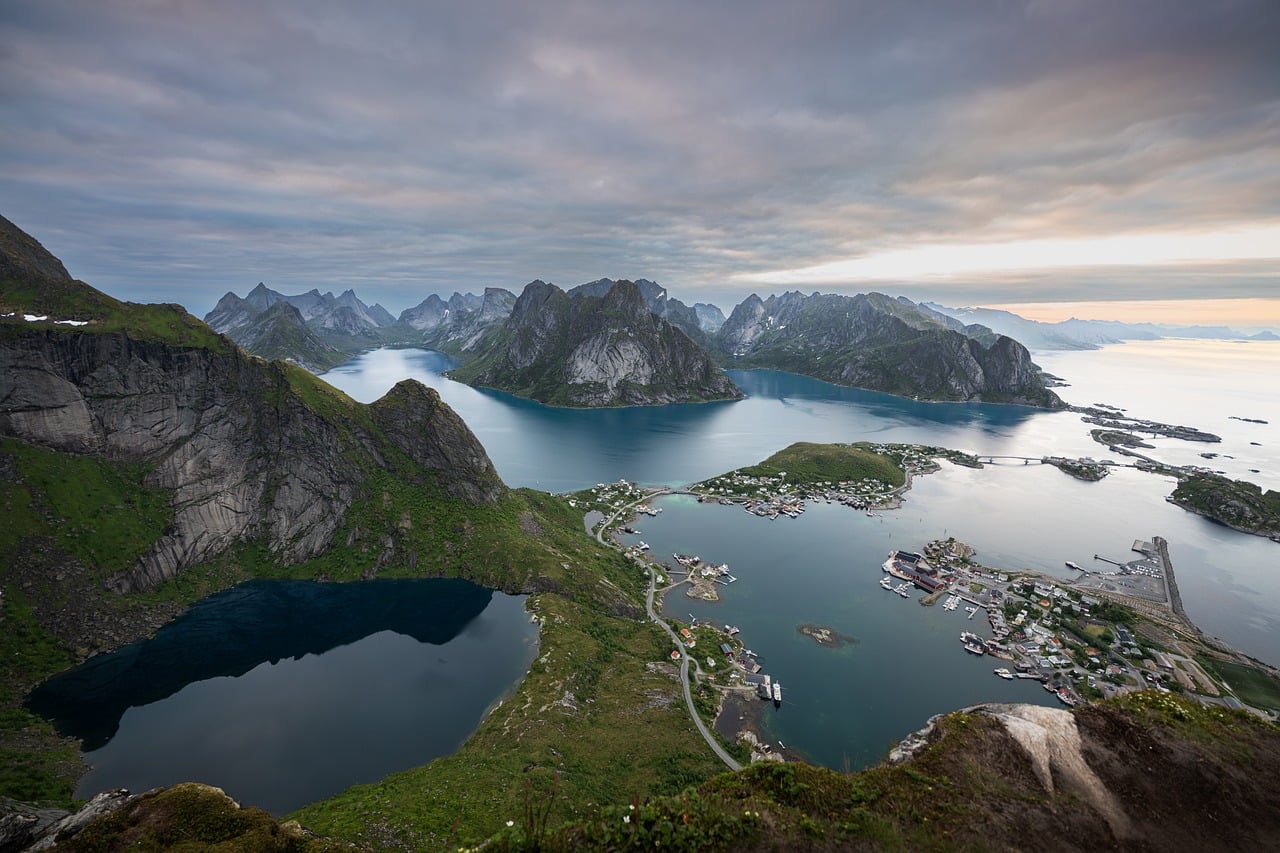
Reine is one of the most recognisable villages in Norway and a natural highlight for first-time visitors.
Surrounded by dramatic mountain peaks and deep blue water, this small fishing village captures the essence of Lofoten. Traditional red and yellow buildings line the waterfront, while fishing boats and small islands create a picturesque harbour setting.
Reine is an excellent base for exploring the southern part of the archipelago. Spend time walking around the village, photographing the waterfront, visiting nearby beaches and enjoying the changing light over the mountains.
The village is particularly beautiful in the early morning and late evening, when the light is softer and the atmosphere becomes quieter.
For a memorable stay, consider a traditional rorbu — a former fishermen’s cabin converted into accommodation. Many have been modernised with comfortable bedrooms, contemporary bathrooms, kitchens and sea views.
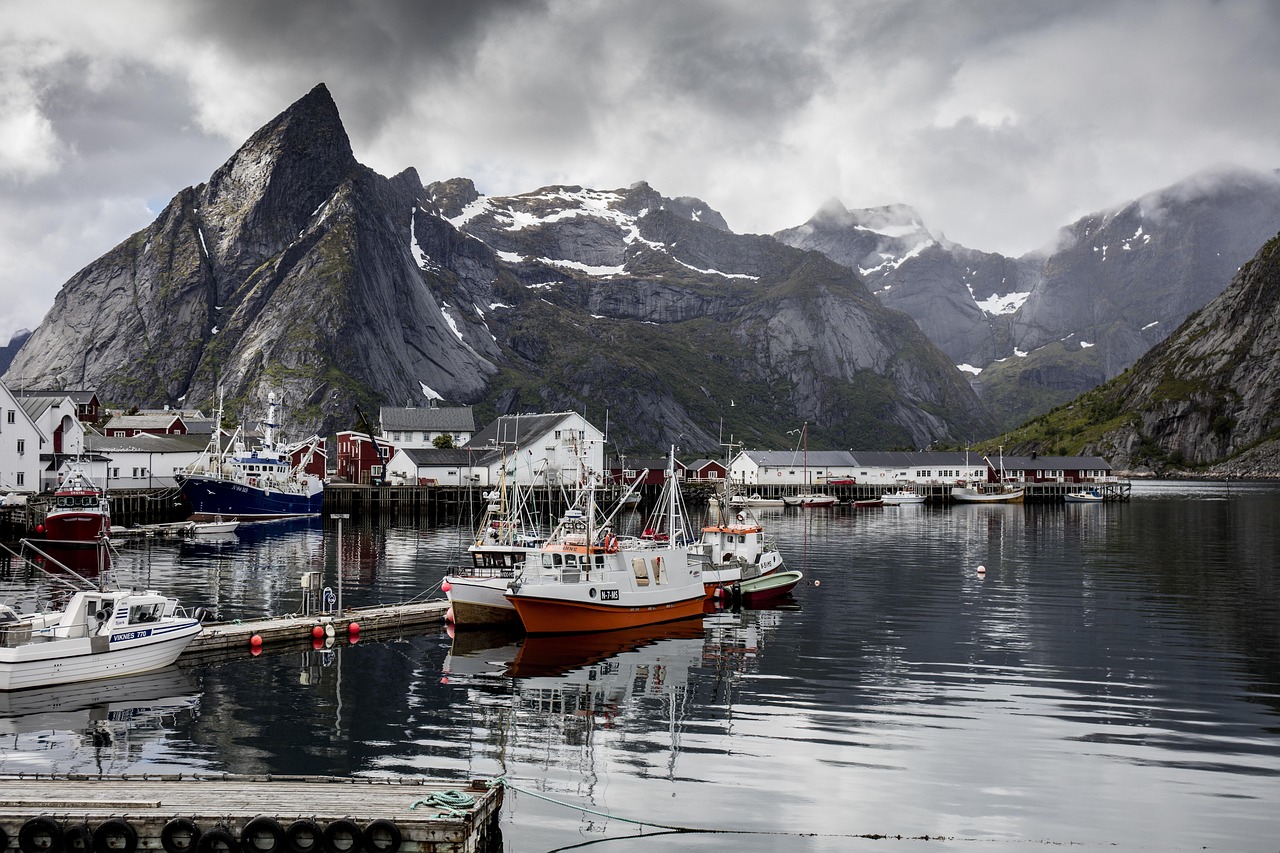
Reine is also the starting point for the famous Reinebringen hike, although this demanding mountain trail requires careful preparation and is not suitable for everyone.
Hamnøy: Traditional cabins beneath towering mountains
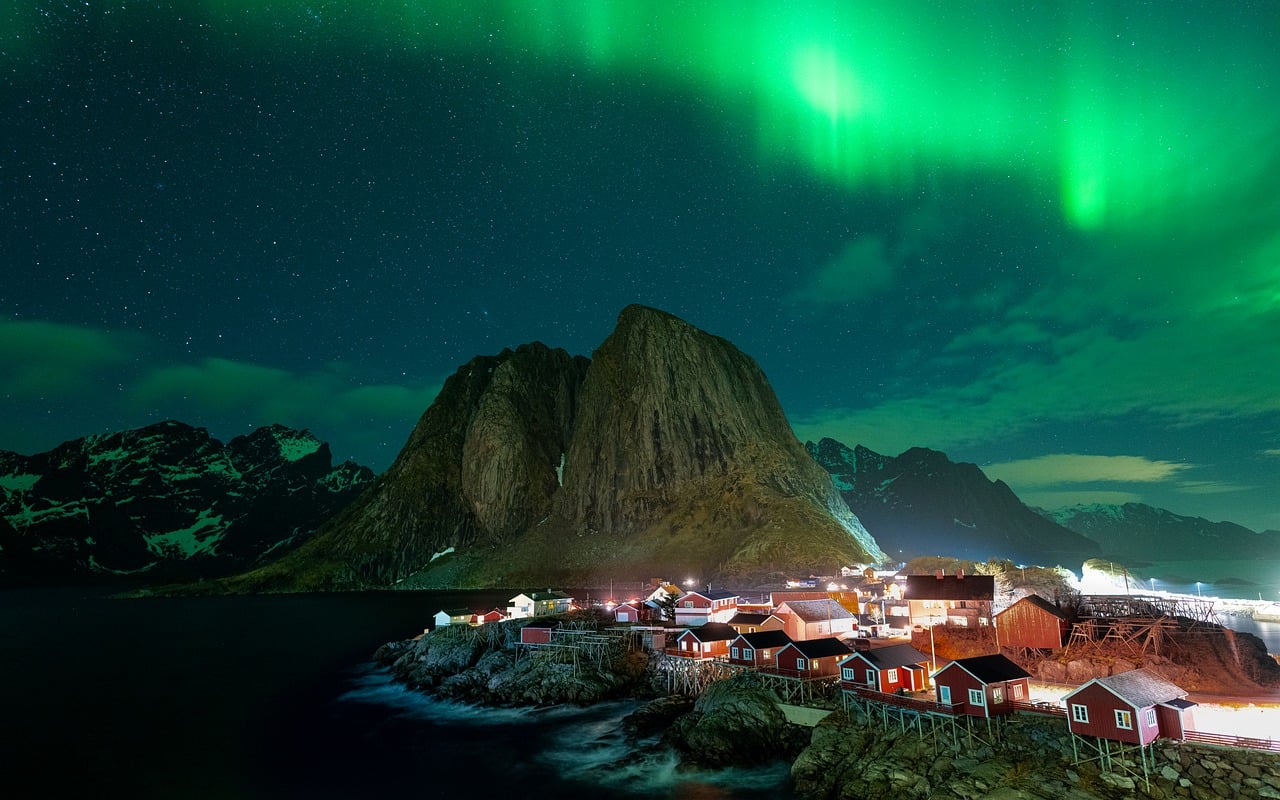
Just east of Reine lies Hamnøy, a tiny settlement famous for its red fishing cabins and dramatic mountain backdrop.
Hamnøy is one of the most photographed locations in Lofoten, and it is easy to understand why. The combination of traditional architecture, a narrow bridge, sheltered water and towering peaks creates an almost cinematic landscape.
For photographers, the area offers opportunities throughout the day and in different weather conditions. Mist, snow, sunshine and storm clouds can produce dramatically different images of the same view.
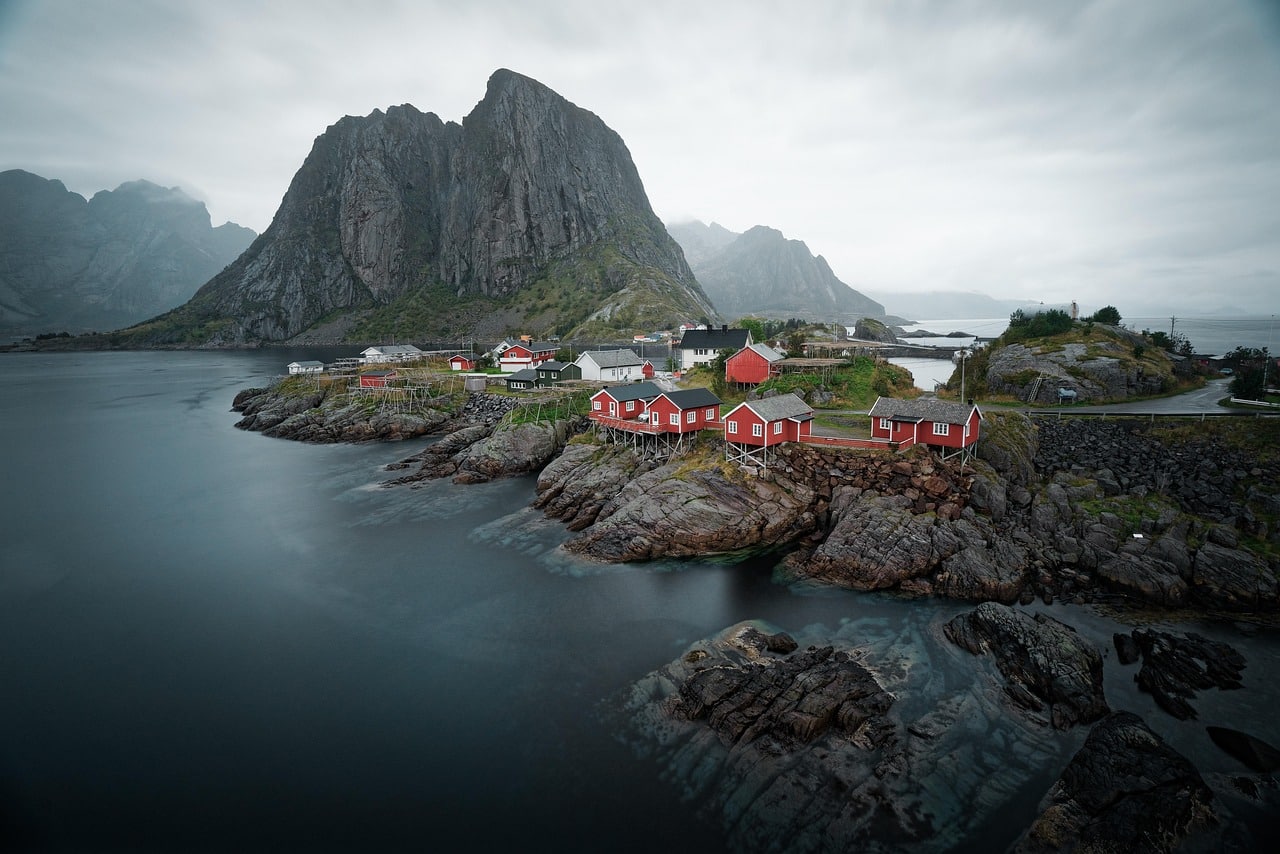
Hamnøy is also a wonderful place to stay if you want a quieter base while remaining close to Reine, Sakrisøy and the southern attractions.
Å: The road’s end
At the western end of the main Lofoten road lies Å, a small fishing village with a wonderfully distinctive name.
Pronounced approximately like the Norwegian letter itself, Å marks the end of the E10’s journey through the main Lofoten islands.
The village preserves an important part of the region’s fishing heritage. Traditional buildings, drying racks, waterfront structures and historic fishing environments offer insight into the industry that sustained generations of local families.
Visit the local fishing museums to learn about traditional fishing, cod processing and the production of stockfish, one of Norway’s most important historical exports.
Å is an excellent final stop on a road trip through the archipelago, especially for travellers interested in culture and maritime history as well as scenery.
Henningsvær: Art, culture and coastal life
Often described as one of Norway’s most charming fishing villages, Henningsvær is spread across small islands connected by bridges.
The village combines traditional coastal architecture with contemporary creativity. Independent galleries, cafés, restaurants, craft shops and small businesses give it a lively atmosphere, particularly during the summer.
Henningsvær is an excellent place to experience the cultural side of Lofoten. Browse local art, sample regional food, enjoy coffee beside the harbour and take a walk through the narrow streets.
The village is also famous for its spectacular football pitch, positioned on a rocky island surrounded by the sea. Its location has made it an internationally recognised symbol of the unusual beauty of Lofoten.
Stay for lunch, explore the galleries and allow time to enjoy the slower pace of life.
Nusfjord: A journey into Norway’s fishing heritage
Nusfjord is one of the most atmospheric historic fishing villages in the region.
Its traditional wooden buildings, working harbour and carefully preserved surroundings offer a glimpse of how life developed around seasonal cod fishing. Rather than feeling like a conventional resort, Nusfjord has a strong sense of place and history.
Visitors can explore the settlement, learn about traditional coastal industries and enjoy the scenery around the harbour.
For travellers seeking a distinctive accommodation experience, historic fishing environments such as Nusfjord demonstrate how Norway’s maritime heritage can be combined with contemporary hospitality.
Svolvær: The gateway to Lofoten
Svolvær is one of the main towns in Lofoten and an important transport and activity hub.
The town offers hotels, restaurants, shops, galleries, cafés and tour operators, making it a convenient starting point for exploring the region. It also has a working harbour and beautiful views of the surrounding mountains.
Outdoor experiences include guided sea excursions, fishing trips, kayaking and mountain activities. The nearby Svolværgeita, a distinctive twin-peaked rock formation, is particularly famous among climbers.
Svolvær is a practical choice for travellers who want access to services and organised excursions while remaining close to spectacular natural scenery.
Unstad: Arctic surfing and wild Atlantic beaches
Lofoten is not only a destination for hiking and photography. It is also home to a remarkable surfing culture.
Unstad, on the northern side of the archipelago, is internationally known for Arctic surfing. Surfers come here to experience Atlantic waves in an extraordinary setting of mountains, open sea and changing weather.
Surfing is possible in several seasons, but the cold water means appropriate thermal protection is essential. Beginners should book lessons with experienced local instructors rather than entering the water without guidance.
Even if you have no intention of surfing, Unstad is worth visiting for its dramatic coastline and the unusual sight of surfers enjoying the waves far above the Arctic Circle.
The most unforgettable things to do in Lofoten
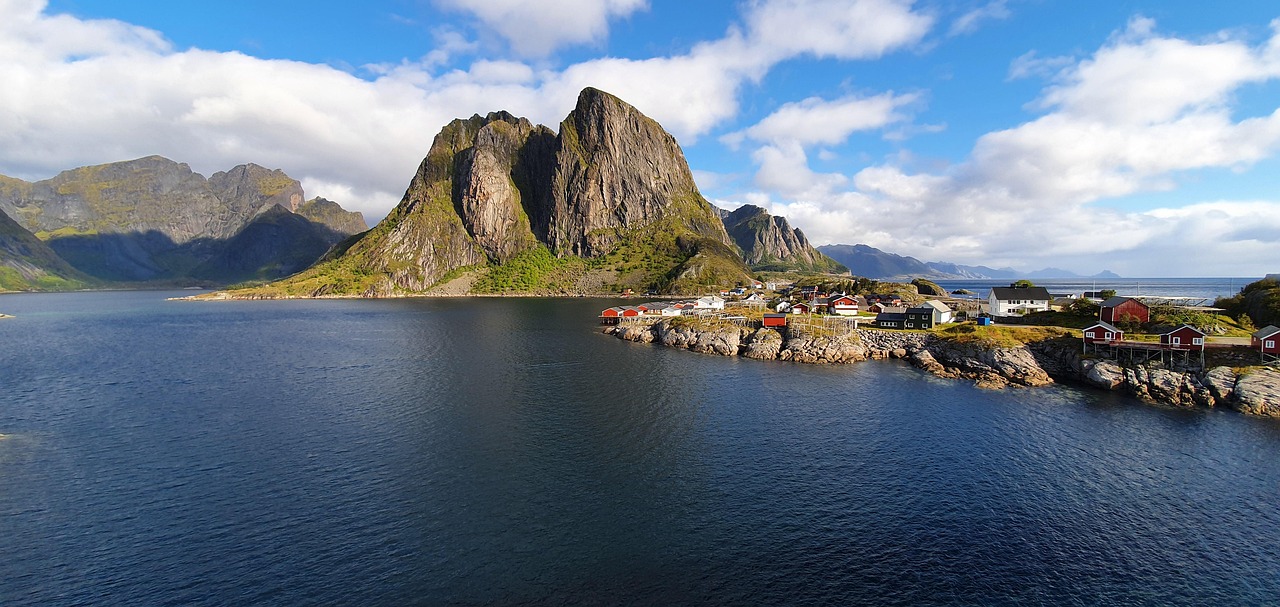
Experience the Northern Lights
For many international visitors, witnessing the Northern Lights is the main reason to travel to Northern Norway.
Known scientifically as the aurora borealis, this natural phenomenon occurs when charged particles from the Sun interact with gases in the Earth’s upper atmosphere. The result can be a spectacular display of green, purple and occasionally red light moving across the night sky.
Lofoten is a compelling destination for aurora viewing because of its northern location and dramatic coastal landscapes. The lights can appear above mountains, fishing villages, beaches and fjords, creating unforgettable photographic opportunities.
When is the best time to see the Northern Lights?
The main viewing season generally runs from September through March, extending into April when darkness and conditions permit. September and October can offer a combination of aurora opportunities and relatively mild temperatures, while winter brings longer nights and often snow-covered scenery.
However, the Northern Lights are never guaranteed. You need darkness, sufficiently clear skies and suitable solar activity. A cloudy evening can hide an otherwise spectacular display.
To improve your chances:
- Stay for several nights rather than planning around a single evening.
- Check local weather forecasts and aurora forecasts.
- Move away from bright artificial lighting when conditions permit.
- Consider a guided Northern Lights excursion with a knowledgeable local operator.
- Dress in warm layers and bring suitable footwear, as waiting outdoors can become cold.
The best experience often comes when you treat the Northern Lights as one part of a broader winter adventure rather than the sole purpose of your trip.
Experience the Midnight Sun
In summer, Lofoten offers one of the Arctic’s most extraordinary natural experiences: the Midnight Sun.
For a period around early summer, the Sun remains above the horizon throughout the night. Instead of darkness, the landscape is bathed in soft golden, pink and orange light.
This creates remarkable opportunities for photography, hiking, scenic drives and outdoor dining at unusual hours.
The Midnight Sun period varies slightly by location. In Lofoten, it is generally associated with late May through mid-July, with the most direct experience possible from exposed coastal areas and suitable viewpoints.
The extended daylight also changes how you can plan your holiday. You might hike late in the evening, enjoy a long coastal drive after dinner or visit a beach when most conventional tourist destinations would be dark.
One practical consideration is sleep. If you are sensitive to light, bring an eye mask and choose accommodation with effective curtains or blackout blinds.
Hike to spectacular viewpoints
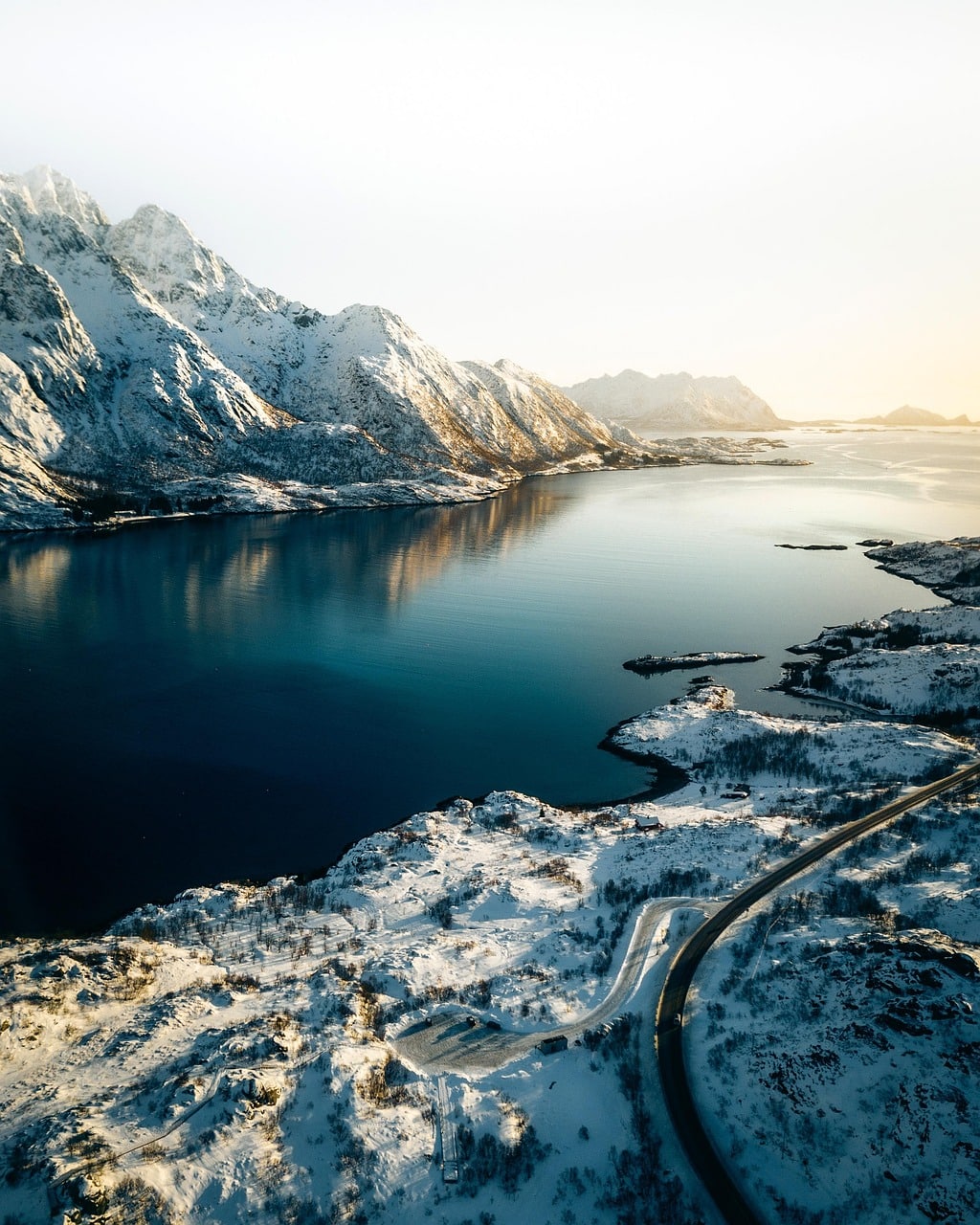
Lofoten is a dream destination for hiking enthusiasts, offering everything from relatively easy coastal walks to steep mountain ascents with spectacular views.
Reinebringen is one of the most famous routes. From the summit, hikers can look across Reine, surrounding islands and the intricate network of fjords that defines the southern archipelago.
The hike is short in distance but demanding in places, with a steep ascent on stone steps. It is generally a seasonal summer route and should not be attempted in winter conditions without appropriate specialist guidance. Follow current local advice, remain on the designated trail and be aware that the summit area can become crowded.
Other hiking opportunities can be found throughout the islands, including routes around coastal villages, valleys and beaches.
Before setting out, remember that Norwegian mountain weather can change rapidly. Check the forecast, wear proper hiking boots, bring water and extra clothing, and choose a route suited to your experience and fitness.
Do not judge a hike by its distance alone. A relatively short mountain route can be much more demanding than a long walk on flat terrain.
For visitors unfamiliar with Arctic mountain conditions, a guided hike is often the best way to explore safely.
Discover Lofoten from the water
One of the most rewarding ways to experience Lofoten is from the sea.
Kayaking allows you to explore sheltered waterways, small islands and quiet stretches of coastline that can feel very different from the main tourist roads.
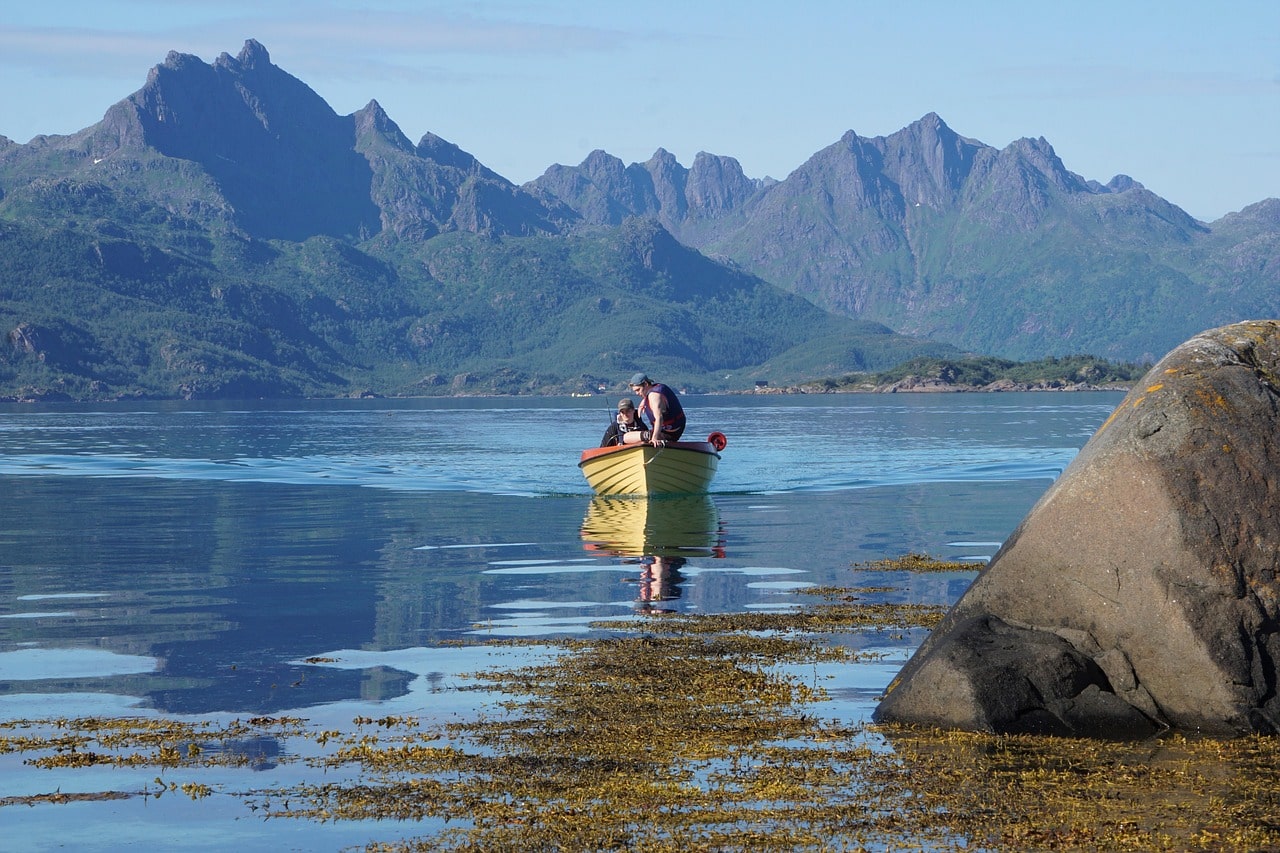
Guided trips are available for different experience levels, including excursions suitable for beginners in appropriate conditions. Experienced paddlers may find opportunities for longer journeys, depending on weather, sea state and local guidance.
Boat excursions are another excellent option. Depending on the season and operator, you may be able to join wildlife-watching trips, coastal sightseeing tours or traditional fishing excursions.
Sea conditions can change quickly, even during summer. Always use appropriate safety equipment and follow the advice of local guides.
Go fishing in one of Norway’s great fishing regions
Fishing has shaped the history and identity of Lofoten for centuries.
The annual winter cod fishery, known as the Lofotfiske, brings a powerful maritime tradition to life. Cod migrate into the region’s waters to spawn, and fishing has historically attracted people from across Norway.
Visitors can join organised sea-fishing trips with local operators, learning about the area’s fishing culture while experiencing the surrounding landscape from a boat.
Depending on the season, trips may target different species and offer different conditions.
If you plan to fish independently, familiarise yourself with current regulations, local restrictions and the rules governing recreational fishing. Conditions at sea can be demanding, so beginners should generally choose a guided excursion.
Explore beaches that look almost tropical
Some of Lofoten’s beaches appear almost Mediterranean at first glance. White sand, clear turquoise water and sweeping mountain views create a striking contrast with the Arctic location.
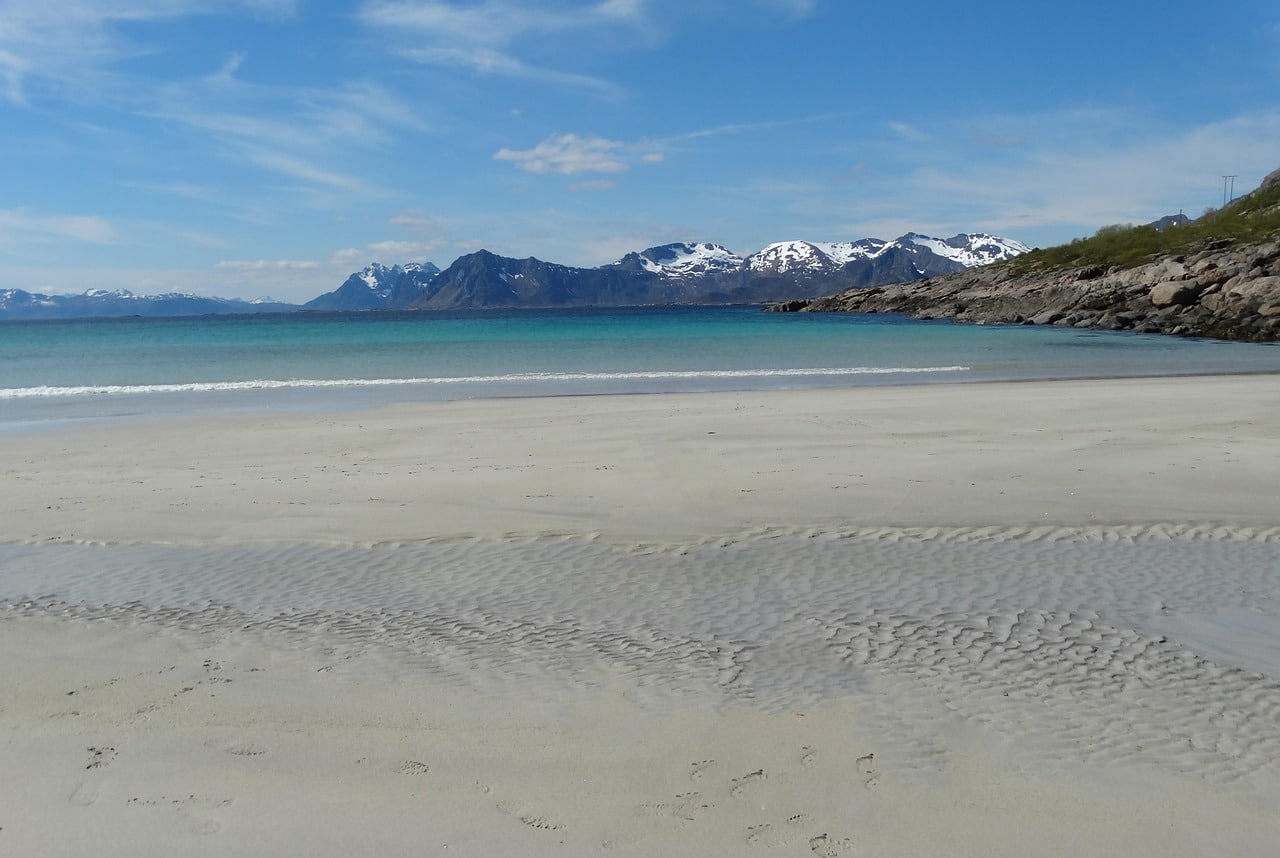
Haukland Beach is one of the best-known examples, with a beautiful curve of sand surrounded by dramatic peaks.
Nearby Uttakleiv is another popular coastal destination, particularly for photographers drawn to its rugged rocks, unusual shoreline and changing light.
Ramberg Beach offers a broad stretch of sand and beautiful views, while Kvalvika Beach is known for its remote setting and the hiking route required to reach it.
These beaches are wonderful places for walking, photography, picnics and simply enjoying the scenery.
However, the water is extremely cold for much of the year, and Atlantic waves can be powerful. Never assume that calm-looking water is safe for swimming. Stay well clear of unexpected waves, especially when photographing the shoreline, and follow local warnings.
Discover Viking history at Lofotr Viking Museum
Lofoten’s history stretches back long before the development of modern tourism.
At the Lofotr Viking Museum in Borg, visitors can explore a reconstructed longhouse associated with one of the most important archaeological discoveries from the Viking Age in Northern Norway.
The museum brings this period to life through historical interpretation, exhibitions and activities that explore the lives, trade, power structures and traditions of Viking society.
It is an excellent addition to a Lofoten itinerary, especially for travellers who want to understand the region beyond its landscapes.
The museum also provides a useful family-friendly activity and a welcome alternative when weather conditions are less suitable for outdoor adventures.
Check the official museum website for opening hours, seasonal activities and any special events before visiting.
Where to stay: From traditional fishing cabins to luxury accommodation
Accommodation is an important part of the Lofoten experience. Rather than choosing a place simply to sleep, many visitors make their accommodation part of the destination itself.
The region offers traditional fishing cabins, boutique hotels, contemporary lodges, guesthouses, apartments and campsites. Availability, facilities and prices vary significantly by season and location.
Stay in a traditional rorbu
A rorbu is a traditional Norwegian fishing cabin historically used by fishermen during the seasonal fisheries.
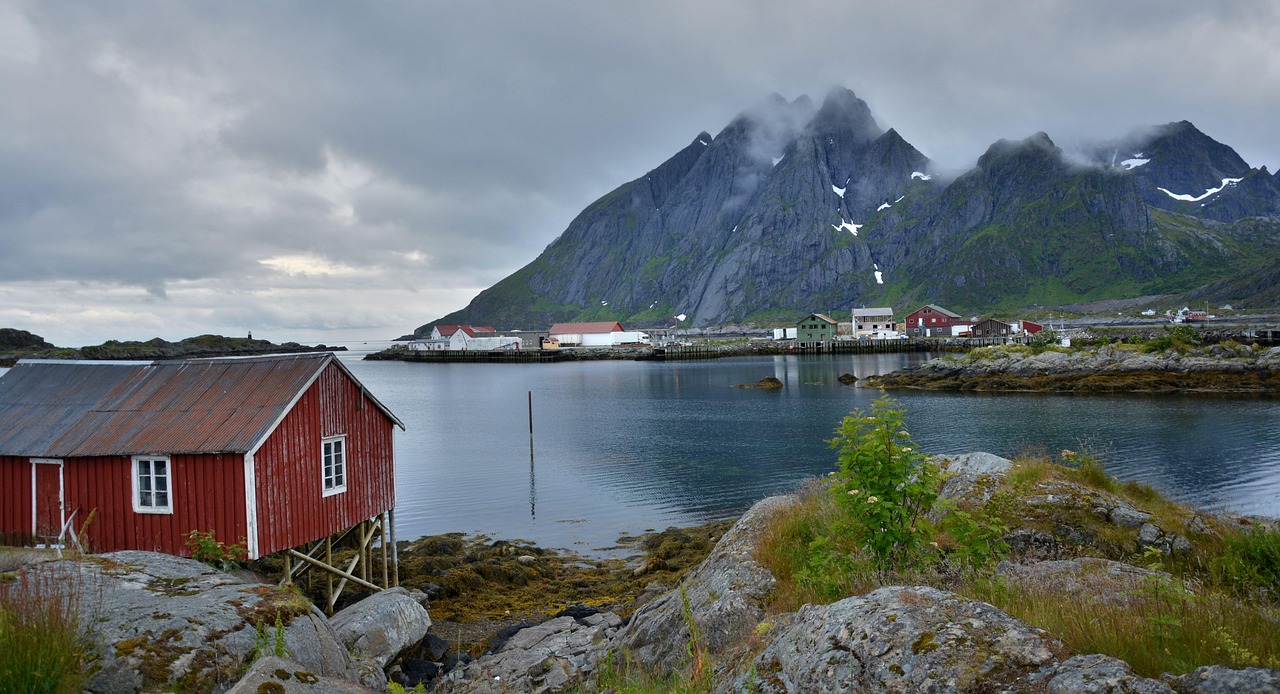
Today, many have been converted into attractive holiday accommodation. Some retain their traditional red or yellow exteriors while offering modern interiors, comfortable bedrooms, fully equipped kitchens and waterfront terraces.
Staying in a rorbu is one of the most distinctive ways to experience Lofoten. You can wake up beside the harbour, watch fishing boats leave in the morning and enjoy the quiet atmosphere after day visitors have departed.
For a romantic trip, look for a cabin with a sea view, a private terrace and a well-designed interior.
Choose a boutique hotel or contemporary lodge
Travellers who prefer hotel services can look for smaller properties offering distinctive architecture, local food and personalised hospitality.
The most appealing stays often make the landscape part of the experience through large windows, outdoor seating areas and locations close to the sea.
Depending on the property, facilities may include an on-site restaurant, sauna, hot tub or guided outdoor activities.
If you are planning a luxury trip, check precisely what is included. The word “luxury” can describe very different accommodation standards in remote regions, and services such as daily housekeeping, room service and private transfers may not be available everywhere.
Consider a secluded coastal retreat
For couples or travellers seeking privacy, a cabin away from the busiest villages can be especially appealing.
Look for properties with panoramic views, a private kitchen, generous living space and convenient access to the activities you want to enjoy.
Remote accommodation can be wonderfully peaceful, but it may also mean limited restaurants, fewer shops and longer driving distances. A hire car is particularly useful if you choose this type of stay.
When should you book?
Accommodation can become scarce during the busiest summer months, especially in July and August. Popular waterfront cabins and distinctive properties may sell out well in advance.
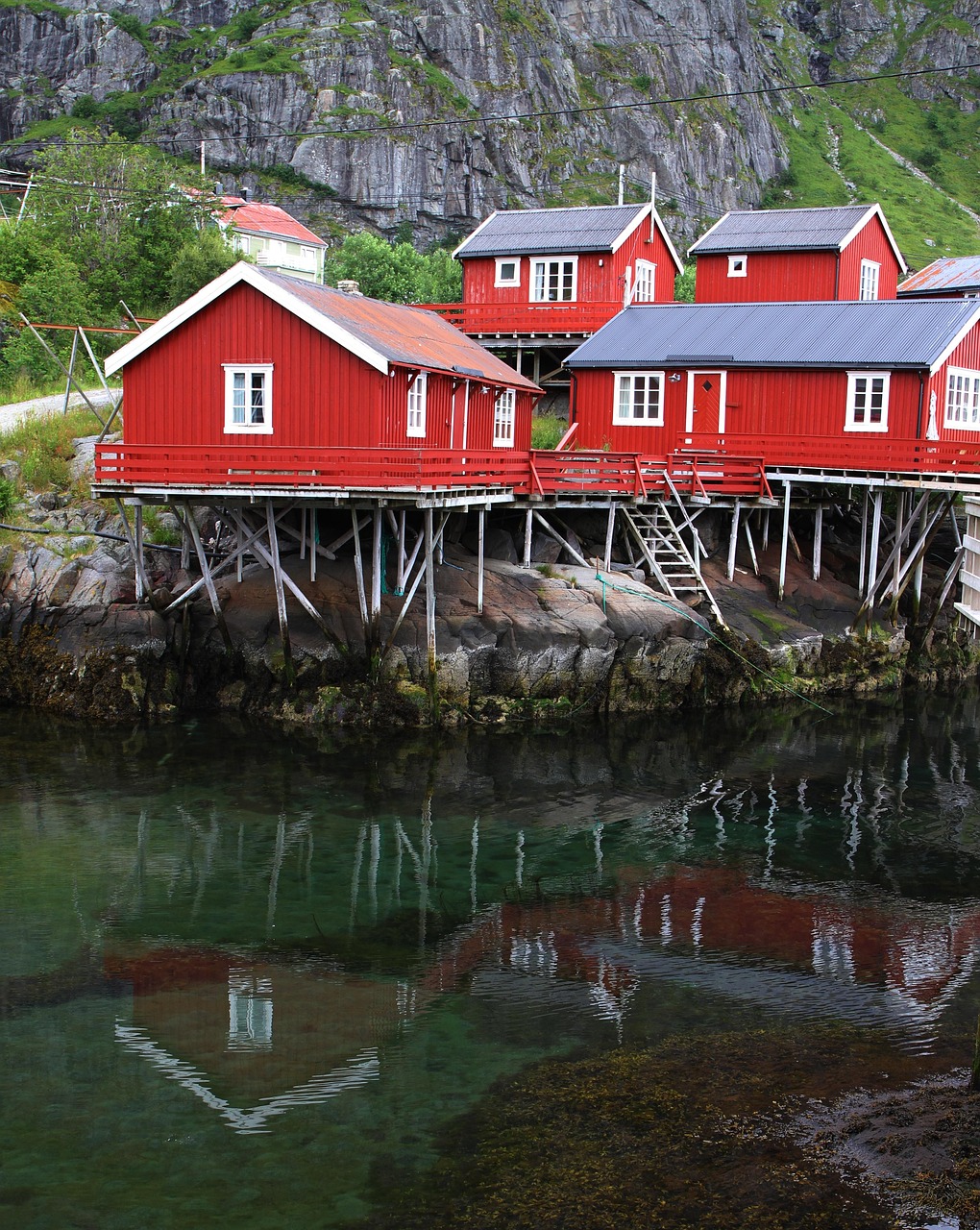
Winter also attracts visitors hoping to see the Northern Lights, so desirable accommodation can be in demand then too.
For a specific property or travel date, booking several months ahead is a sensible strategy. Always check cancellation terms, arrival instructions and whether meals or transport need to be arranged separately.
A taste of Lofoten: What to eat and drink
Food is an essential part of understanding Lofoten.
The region’s culinary traditions are closely connected to the sea, particularly the seasonal cod fisheries that have sustained coastal communities for generations.
Today, traditional ingredients appear in everything from simple local dishes to refined restaurant menus.
Stockfish: A centuries-old Norwegian speciality
One of the region’s most important traditional products is stockfish, known in Norwegian as tørrfisk.
Stockfish is typically made from cod that is dried naturally in the open air under suitable conditions. It has been an important export product for centuries, connecting Northern Norway with markets across Europe.
The drying racks that appear along the coastline are a distinctive part of Lofoten’s cultural landscape.
For visitors, stockfish offers a direct connection to the region’s maritime heritage. Try it in a traditional dish or a contemporary restaurant preparation to discover how an ancient preservation method remains relevant to modern cuisine.
Taste fresh Arctic cod and skrei
Cod is central to Lofoten’s culinary identity.
Skrei is a migratory Atlantic cod associated with the winter spawning season. It is prized for its firm texture and delicate flavour.
During the appropriate season, local restaurants may feature skrei alongside potatoes, vegetables, butter-based sauces or other traditional accompaniments.
Fresh fish dishes are also widely associated with the region throughout the year, although availability depends on the season and local supply.
Seafood, lamb and local ingredients
Depending on the restaurant and season, visitors may also find other seafood, shellfish, locally sourced lamb and dishes featuring regional produce.
Menus often reflect the changing availability of ingredients, so there is no single culinary experience that represents every restaurant in Lofoten.
For an especially memorable meal, look for restaurants that emphasise local sourcing and explain the origins of their ingredients.
Reservations are advisable for popular restaurants during peak periods, particularly if you have a specific dining time or dietary requirements.
What does dining cost?
Norway is generally an expensive destination compared with many European countries, and remote island locations can have additional logistical costs.
Restaurant prices vary by establishment, menu and season. A casual meal, a seafood dinner and a tasting menu can represent very different budgets.
Travellers looking to manage costs can combine restaurant meals with accommodation that includes a kitchen. Local supermarkets make self-catering practical in many parts of the archipelago, although smaller villages may have limited opening hours and selection.
When is the best time to visit Lofoten?
There is no single best season for everyone. The right time depends on whether you prioritise hiking, photography, the Midnight Sun, winter scenery or the Northern Lights.
Summer: June to August
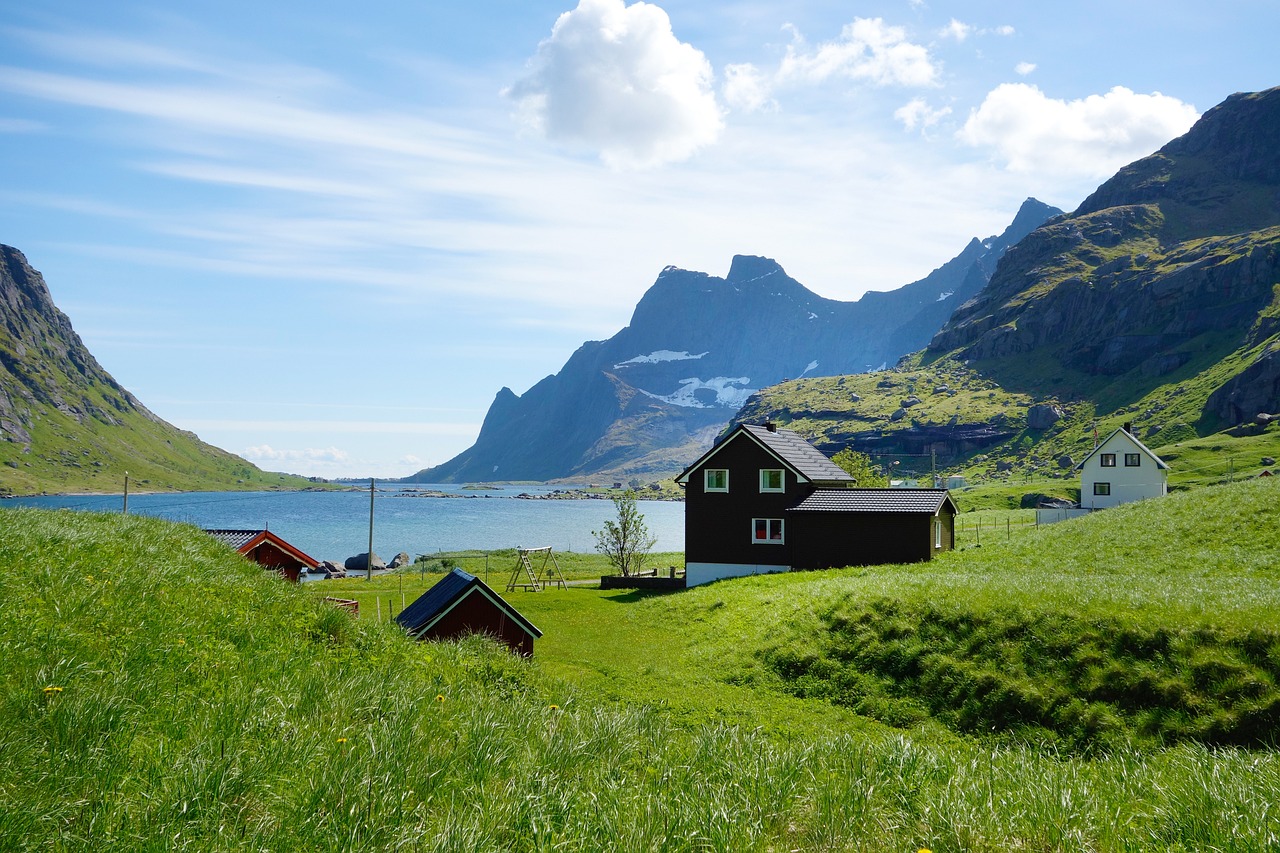
Summer is the most popular season for many visitors.
The days are exceptionally long, temperatures are generally milder than in winter, and conditions are often more suitable for hiking, kayaking, scenic drives and beach walks.
The Midnight Sun is a major attraction around the early summer period. July and August are especially busy, so accommodation, car hire and popular activities should be booked early.
Summer weather remains changeable. Rain, wind and cool temperatures are possible even in July, so bring layers rather than relying on beach-holiday clothing alone.
Autumn: September to October
Autumn offers a compelling balance of atmospheric scenery, darker evenings and opportunities to see the Northern Lights.
The landscape takes on warmer colours, and visitor numbers can be lower than during the height of summer.
September can still be suitable for many outdoor activities, depending on weather and trail conditions. As autumn progresses, days become shorter, and rain and wind may become more frequent.
For photographers and couples looking for a quieter experience, this can be a particularly rewarding time to visit.
Winter: November to March
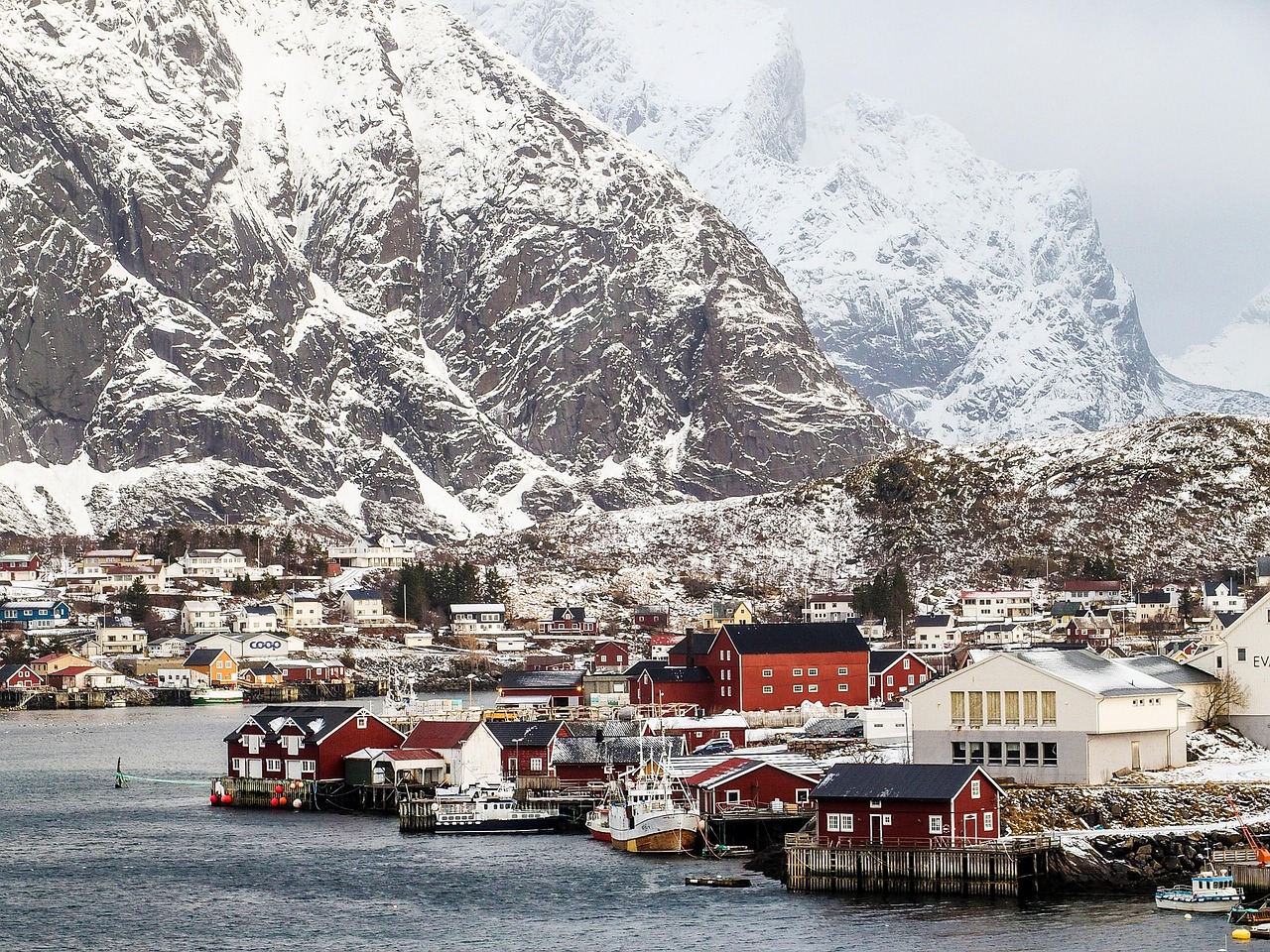
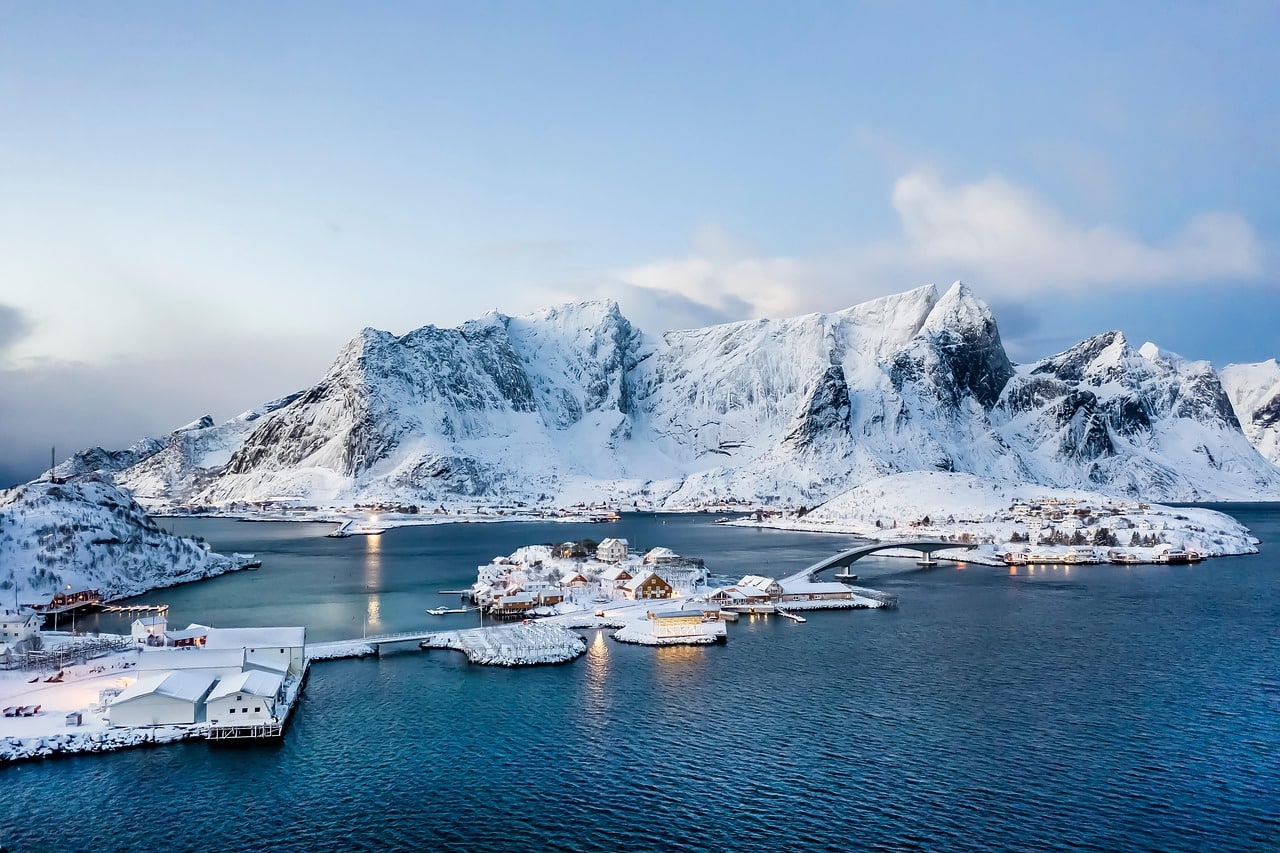
Winter transforms Lofoten into a dramatic Arctic landscape.
Snow may cover the mountains, fishing villages glow against the darkness, and the Northern Lights can appear above the coastline when skies are clear.
This season is ideal for travellers who enjoy atmospheric scenery, winter photography and guided cold-weather experiences.
However, winter brings shorter daylight hours, potentially difficult driving conditions and more weather-related disruption. Some activities operate on reduced schedules or close for the season.
If you are planning mountain excursions, choose routes and activities appropriate to the conditions. A summer hiking plan should never automatically be treated as safe in winter.
Spring: April to May
Spring marks a gradual transition from winter to summer.
Days grow longer, the landscape begins to change, and the combination of snow-covered peaks and emerging coastal greenery can be spectacular.
April may still offer opportunities to see the Northern Lights during sufficiently dark and clear conditions, particularly early in the month, although the window narrows as daylight increases.
May brings increasingly long days and often fewer visitors than the busiest summer period.
Spring can be an excellent option for travellers seeking a balance between scenery, quieter roads and improving daylight, but snow and slippery conditions may persist in the mountains.
How to get to Lofoten
Lofoten is remote enough to feel like a true Arctic escape, but there are several ways to reach the islands.
The best route depends on your arrival airport, travel dates, budget and whether you intend to rent a car.
By air
For many international visitors, flying is the most convenient option.
Common gateways include:
- Svolvær Airport: Convenient for the eastern part of Lofoten.
- Leknes Airport: Useful for the central islands and western attractions.
- Harstad/Narvik Airport, Evenes: A larger regional gateway with road and bus connections to Lofoten.
- Bodø Airport: An important transport hub with onward connections by air and sea.
Travellers arriving from abroad will generally need to connect through Oslo or another suitable European or Norwegian airport, depending on the available flight schedule.
Flights to the smaller airports in Lofoten may require additional connections, and schedules can vary by season. Compare the total journey time rather than just the flight duration.
Evenes can be a practical alternative if you want to hire a car and drive into the archipelago.
By ferry
Ferries are an important part of travel in Northern Norway.
The ferry between Bodø and Moskenes is particularly useful for visitors approaching Lofoten from the south. It can also provide a scenic introduction to the archipelago.
Crossings are subject to schedules, weather and seasonal demand. If you are travelling with a car during a busy period, check current booking arrangements and reserve where possible.
Always confirm departure points and arrival locations carefully when planning connections.
By car
Driving is one of the best ways to explore Lofoten.
The E10 is the principal road through the archipelago, connecting many of its most famous villages and attractions. Bridges and tunnels make it possible to travel between much of the main island chain without taking a ferry at every stage.
A car allows you to stop at viewpoints, visit beaches, explore smaller settlements and adjust your schedule around the weather.
If you are planning to drive from Evenes, allow sufficient time for the journey to your accommodation. The drive to Svolvær takes around two and a half hours in favourable conditions, and longer may be necessary in winter.
If you arrive in Bodø, compare the cost and convenience of a flight, ferry crossing or combination of transport options.
By bus
Public transport connects a number of towns and villages, including services along parts of the E10 corridor.
However, buses may run infrequently, and some remote beaches, trailheads and smaller settlements are difficult to reach without a car or organised excursion.
If you plan to travel by bus, build your itinerary around confirmed schedules rather than assuming that services run frequently throughout the day.
For current routes and timetables, consult Reis Nordland and the official Visit Lofoten travel guide.
A suggested seven-day Lofoten itinerary
Seven days is an excellent amount of time for a first visit. It allows you to explore the main highlights without turning every day into a long driving excursion.
This itinerary assumes you have a rental car and can adapt the order to your arrival airport, weather and accommodation.
Day 1: Arrive and discover Svolvær
Arrive in Lofoten, collect your rental car if required and settle into your accommodation.
Spend the afternoon exploring Svolvær, visiting the harbour and enjoying your first views of the surrounding mountains.
Finish with a relaxed dinner featuring local seafood.
Overnight: Svolvær or the surrounding area.
Day 2: Henningsvær and the eastern islands
Drive to Henningsvær and explore its galleries, cafés, waterfront and distinctive coastal setting.
Allow time for photography and lunch before continuing through the eastern part of the archipelago.
If conditions permit, add a short coastal walk or a guided sea excursion.
Overnight: Svolvær or Henningsvær.
Day 3: Beaches and the northern coast
Explore the western side of the central islands, including Haukland Beach and Uttakleiv.
Enjoy the coastal scenery, walk along the sand and stop at viewpoints along the way.
If you are interested in surfing, check whether a lesson or guided experience at Unstad is available for your dates.
Overnight: Leknes or a nearby coastal cabin.
Day 4: Nusfjord and the journey south
Visit the historic fishing village of Nusfjord, allowing time to explore its maritime heritage and traditional buildings.
Continue west towards the southern islands, stopping at viewpoints and small settlements as the landscape changes.
Arrive in the Reine area in the afternoon or evening.
Overnight: Reine, Hamnøy or Sakrisøy.
Day 5: Reine, Hamnøy and Å
Spend the day exploring some of Lofoten’s most iconic landscapes.
Visit Reine, photograph Hamnøy and continue to Å at the western end of the E10.
Explore the fishing village and its historical attractions, then return to your accommodation for a quiet evening beside the water.
If you are interested in hiking, select a route suited to your fitness, the season and current conditions.
Overnight: Reine or Hamnøy.
Day 6: Choose your adventure
Use this day for an activity that matches your interests.
Options include a guided kayaking trip, sea fishing, a wildlife excursion, a suitable mountain hike or a photography tour.
Alternatively, enjoy a slower day exploring villages, galleries and beaches without following a strict schedule.
Lofoten is a destination where leaving some space in your itinerary often pays off.
Overnight: Reine, Leknes or another convenient base.
Day 7: A final coastal drive and departure
Enjoy breakfast overlooking the sea before beginning your journey back towards the airport, ferry terminal or onward destination.
Allow generous time for the drive and any transport connections, particularly during winter or when travelling by ferry.
If you have a late departure, use the extra time for a final walk or a relaxed lunch before leaving the islands.
Important: This itinerary is a framework rather than a fixed timetable. Weather, road conditions, ferry schedules and seasonal opening hours may require adjustments.
Practical information every international visitor should know
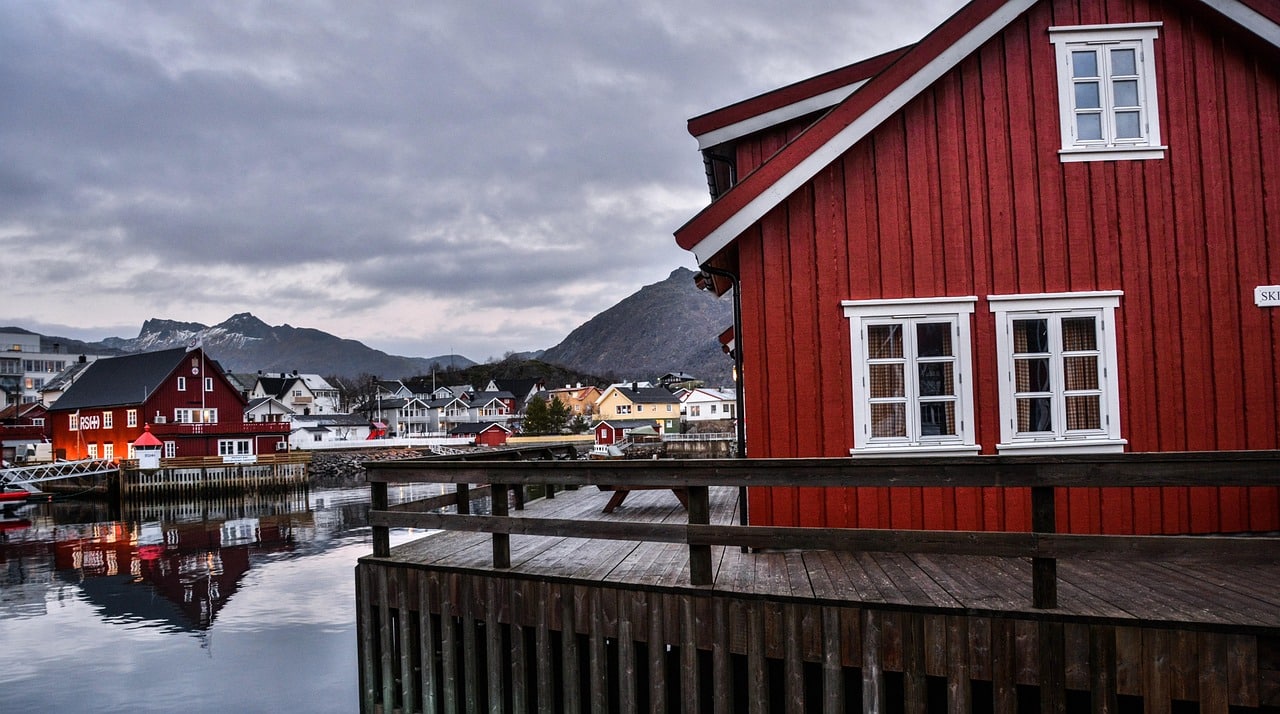
A little preparation makes a significant difference in Lofoten. The region is well accustomed to visitors, but its Arctic location, limited transport connections and changeable weather require a different approach from a conventional city break.
Currency and payments
Norway uses the Norwegian krone (NOK).
Card and contactless payments are widely accepted, including in many small businesses. Visa and Mastercard are commonly used, although it is sensible to check individual payment arrangements for smaller activities or remote accommodation.
Norway is not a member of the European Union, but it is part of the Schengen Area. Currency and entry requirements are separate issues, so check the rules applicable to your nationality.
Language
Norwegian is the main language, but English is widely spoken in the tourism industry.
International visitors can generally communicate comfortably in English when arranging accommodation, booking activities and visiting restaurants.
Learning a few Norwegian expressions is still appreciated:
- Hei: Hello.
- Takk: Thank you.
- Vær så snill: Please.
- Ha det: Goodbye.
Weather and clothing
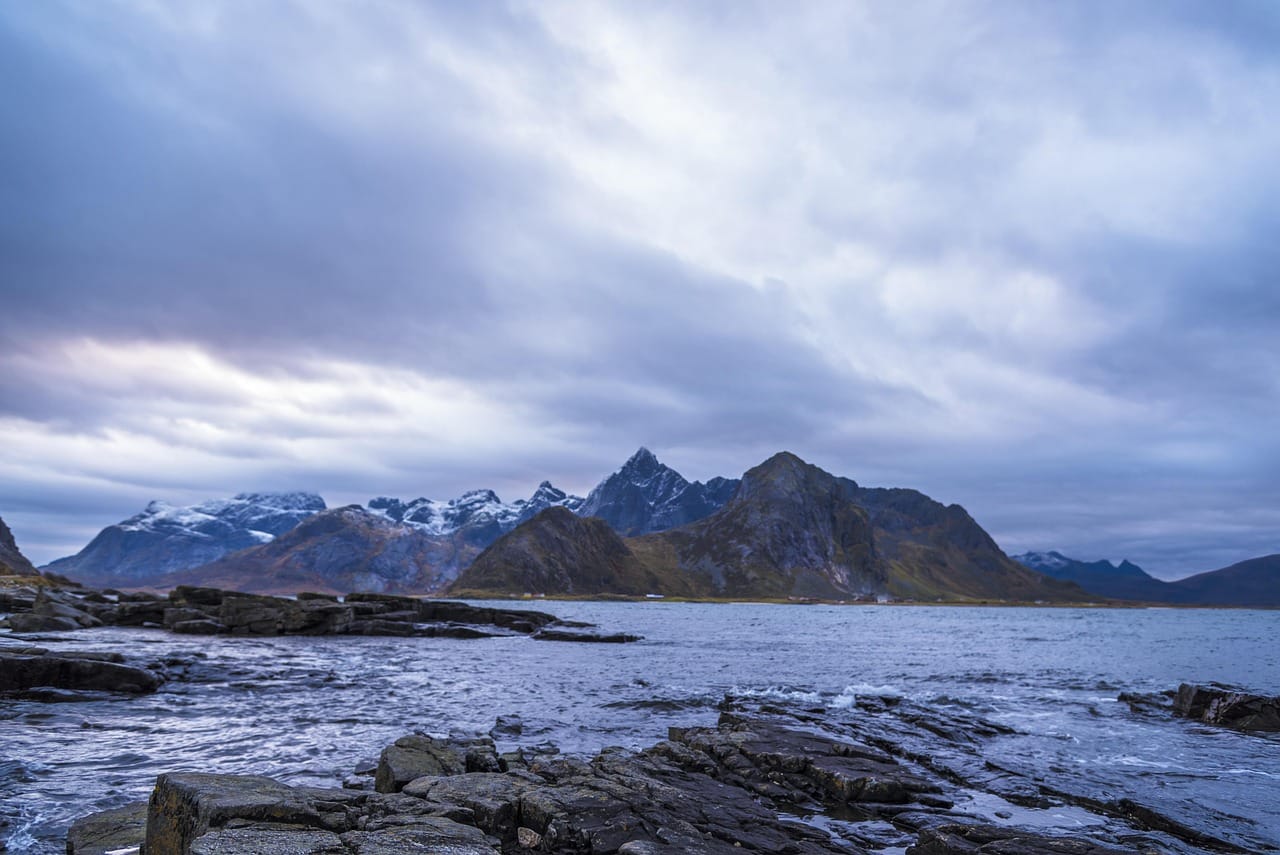
Lofoten’s weather can change rapidly, even during the warmer months.
Pack a waterproof and windproof outer layer, warm mid-layers and comfortable footwear with good grip. If you plan to hike, proper hiking boots and additional clothing are essential.
In winter, insulated clothing, gloves, a warm hat and appropriate footwear are particularly important.
Do not rely exclusively on a general monthly temperature average. Check the forecast for your specific destination and activity before leaving your accommodation.
Driving in Norway
Visitors should familiarise themselves with Norwegian driving rules before renting a car.
Drive on the right-hand side of the road, obey posted speed limits and use dipped headlights when required. Seat belts are compulsory, and mobile phone use while driving is restricted.
Lofoten’s roads can be narrow, winding and busy during the summer. Some stretches have limited passing opportunities, and visitors should use designated passing places appropriately without blocking traffic or stopping in unsafe locations.
In winter, roads may be icy or snow-covered. Choose a vehicle suitable for the conditions and follow current road and weather warnings.
Check the Norwegian Public Roads Administration for official traffic information before longer drives.
Accommodation and restaurant reservations
Book early if you want a particular waterfront cabin, boutique property or restaurant.
This is especially important in summer, when visitor numbers are high and the choice of accommodation in small villages can be limited.
If you travel outside the main season, confirm opening dates and check whether your accommodation offers meals, self-catering facilities or assistance arranging transport.
Mobile coverage and internet
Mobile coverage is available in many populated areas, but it can be weaker in remote valleys, mountain areas and certain stretches of coastline.
Download offline maps before setting out on hikes or long drives. Keep your phone charged and avoid relying on mobile connectivity as your only navigation or emergency resource.
Visitors from outside the European Economic Area should check roaming charges with their mobile provider before travelling.
Travel insurance and medical care
Travel insurance is advisable, particularly if your plans include hiking, kayaking, fishing excursions or other outdoor activities.
Check that your policy covers the specific activities you intend to undertake, including any relevant mountain or sea excursions.
Norway has public healthcare services, but visitors should understand the arrangements applicable to their country of residence and insurance coverage. Travellers from eligible European countries should check their European Health Insurance Card arrangements and consider additional travel insurance.
In an emergency in Norway, call 112 for police, 113 for medical emergencies and 110 for fire services.
Time zone and daylight
Norway uses Central European Time in winter and Central European Summer Time during daylight-saving months.
The extended summer daylight can be disorienting for visitors unfamiliar with the Midnight Sun. Conversely, winter days are short, and daylight planning becomes important when driving or hiking.
Check sunrise, sunset and local weather conditions when planning outdoor activities.
Entry requirements
Norway is part of the Schengen Area, but entry requirements depend on your nationality, passport and circumstances.
Some visitors can enter for short stays without a visa, while others must apply in advance. Passport validity requirements and permitted lengths of stay can also differ.
Check the official Norwegian immigration authority, UDI, and relevant government travel advice before booking non-refundable travel.
Responsible travel: How to protect Lofoten’s fragile environment
Lofoten’s beauty is also its vulnerability.
The archipelago’s popularity has increased significantly, placing pressure on roads, parking areas, public facilities, trails and small local communities during busy periods.
Responsible travel helps preserve the very qualities that make the destination special.
Stay on marked trails
Mountain vegetation can be fragile, and informal paths can contribute to erosion. Follow established routes, respect closures and avoid creating new shortcuts.
Respect private property
Many picturesque cabins and fishing settlements are private homes or working properties. A beautiful photograph does not mean that a building, garden, pier or driveway is open to visitors.
Ask permission where appropriate and avoid disturbing residents.
Leave no trace
Take all rubbish with you, use designated toilets and follow local guidance for camping and fires.
Norway’s right to roam allows access to much of the countryside under specific conditions, but it does not permit unrestricted camping everywhere. Respect distance requirements from inhabited houses and follow rules applying to protected areas and local restrictions.
Travel considerately on the roads
Do not stop in the middle of the road to take photographs. Use designated parking areas and passing places correctly, and never obstruct access for emergency vehicles, local residents or working fishermen.
Support local businesses
Choose locally owned accommodation, restaurants, guides and shops where possible. Buying local products and booking local excursions helps support the communities that make Lofoten such a distinctive place to visit.
Respect wildlife and the sea
Observe wildlife from an appropriate distance and follow the advice of experienced guides. Avoid disturbing birds, nesting areas or other sensitive habitats.
Remember that the sea can be dangerous even when the weather appears calm. Never underestimate cold water, strong currents or unexpected waves.
Is Lofoten worth visiting?
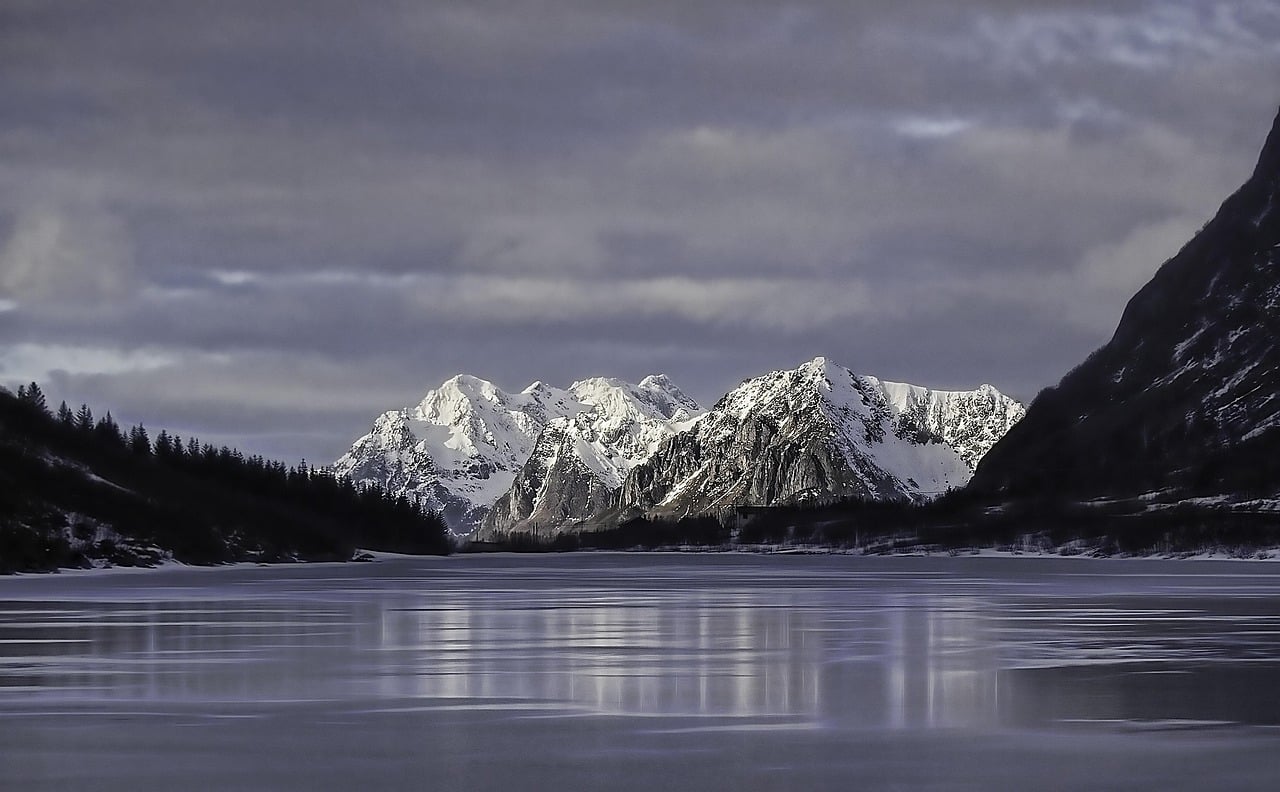
Absolutely. Few destinations combine such dramatic natural scenery, living maritime traditions and opportunities for outdoor adventure in such a compact region.
Lofoten is a place where a road trip becomes an experience in itself. One moment you may be driving past steep mountains and sheltered fjords; the next, you are standing on a white-sand beach looking out across the Norwegian Sea.
The archipelago can be as adventurous or as relaxing as you choose. You can hike challenging mountain trails, explore the coastline by kayak, learn about Viking history, photograph the Northern Lights or simply spend an afternoon watching fishing boats from a waterfront cabin.
It is also a destination that rewards flexibility. The weather may change your plans, but mist, rain and shifting light often reveal a different side of the landscape. Rather than rushing between attractions, allow yourself time to explore and appreciate the atmosphere of each place.
For luxury travellers, Lofoten offers a particularly compelling alternative to conventional resort holidays. Its appeal lies not in extravagant nightlife or vast shopping districts, but in privacy, distinctive accommodation, memorable food and access to extraordinary natural surroundings.
The real luxury here is space, silence, fresh air and the opportunity to experience one of Europe’s most remarkable coastal landscapes at your own pace.
Final travel advice: Plan carefully, then leave room for discovery
If you are visiting Lofoten for the first time, aim for five to seven days if your schedule allows. Choose accommodation that fits your travel style, consider renting a car, and reserve important activities and popular stays in advance.
Summer is ideal for long days, hiking and coastal exploration. Autumn and winter offer opportunities for the Northern Lights, while spring provides a quieter transition between the seasons.
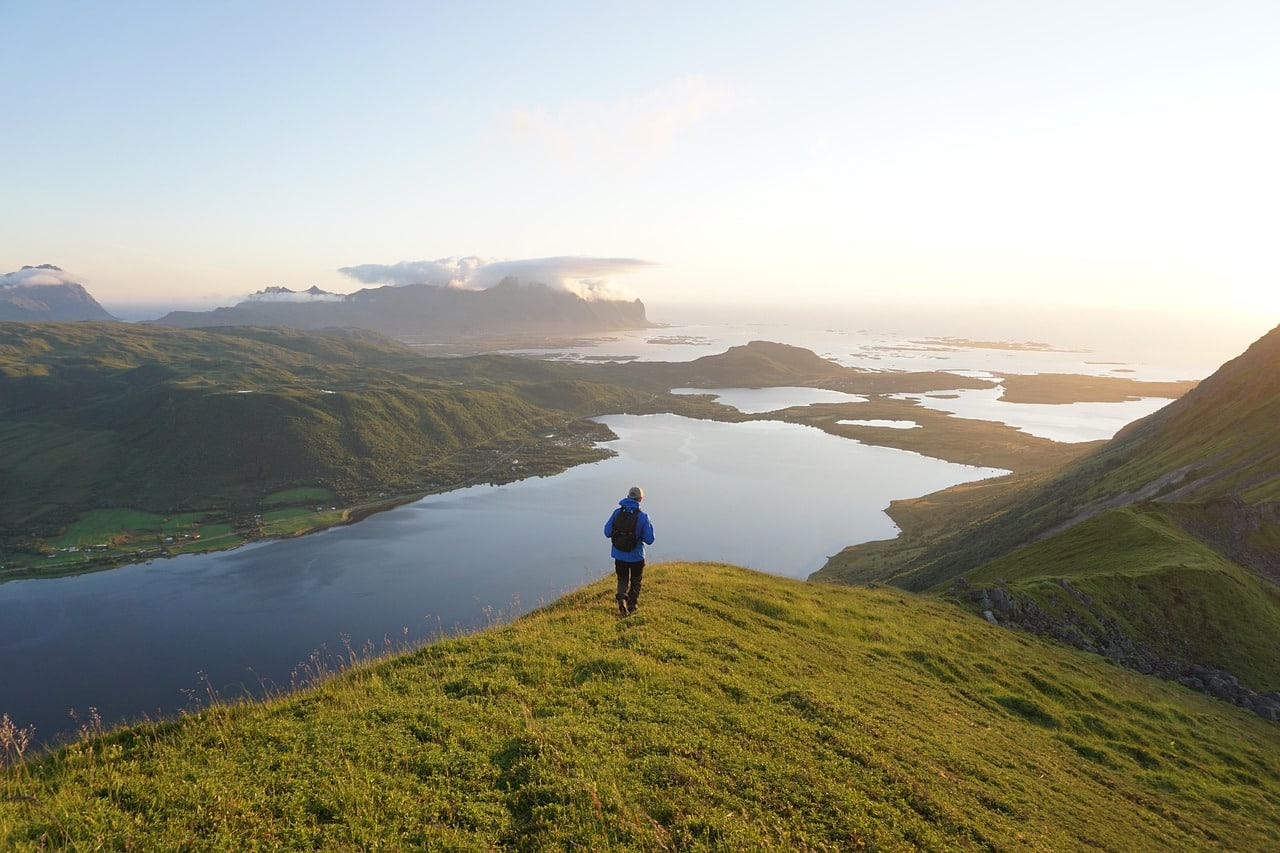
Whatever time you choose, pack for changing weather, check transport schedules and approach outdoor activities with appropriate preparation.
Most importantly, do not treat Lofoten as a destination to rush through.
Allow time for an unexpected viewpoint, a conversation with a local host, a quiet evening beside the sea or a scenic detour that was not part of the original plan.
These moments are often what turn a good holiday into an unforgettable one.
Lofoten is more than a collection of beautiful islands. It is an invitation to experience Norway at its wildest, most authentic and most inspiring — a destination where the mountains meet the ocean, history lives beside modern coastal life, and nature remains the greatest luxury of all.
Essential travel resources
For the most accurate information before departure, consult these official resources:
- Visit Lofoten – Official destination guide for activities, accommodation, transport and local advice.
- Visit Norway – Lofoten travel guide for destination inspiration and seasonal planning.
- Reis Nordland for local bus services and transport connections.
- Norwegian Public Roads Administration for road conditions and traffic updates.
- Norwegian Directorate of Immigration (UDI) for entry and visa requirements.
Transport schedules, accommodation availability, opening hours and local safety guidance can change. Confirm the latest details directly with the relevant operator before travelling.