
Stockholm: A Luxurious Scandinavian City Escape Where History, Design and Nature Meet
Discover Stockholm, one of Europe’s most captivating capital cities, where elegant waterfronts, historic architecture, world-class dining and breathtaking archipelago landscapes create an unforgettable Scandinavian holiday. From the cobblestone streets of Gamla Stan to exclusive waterfront hotels and private boat excursions through thousands of islands, Stockholm offers a remarkable blend of urban sophistication and natural beauty.
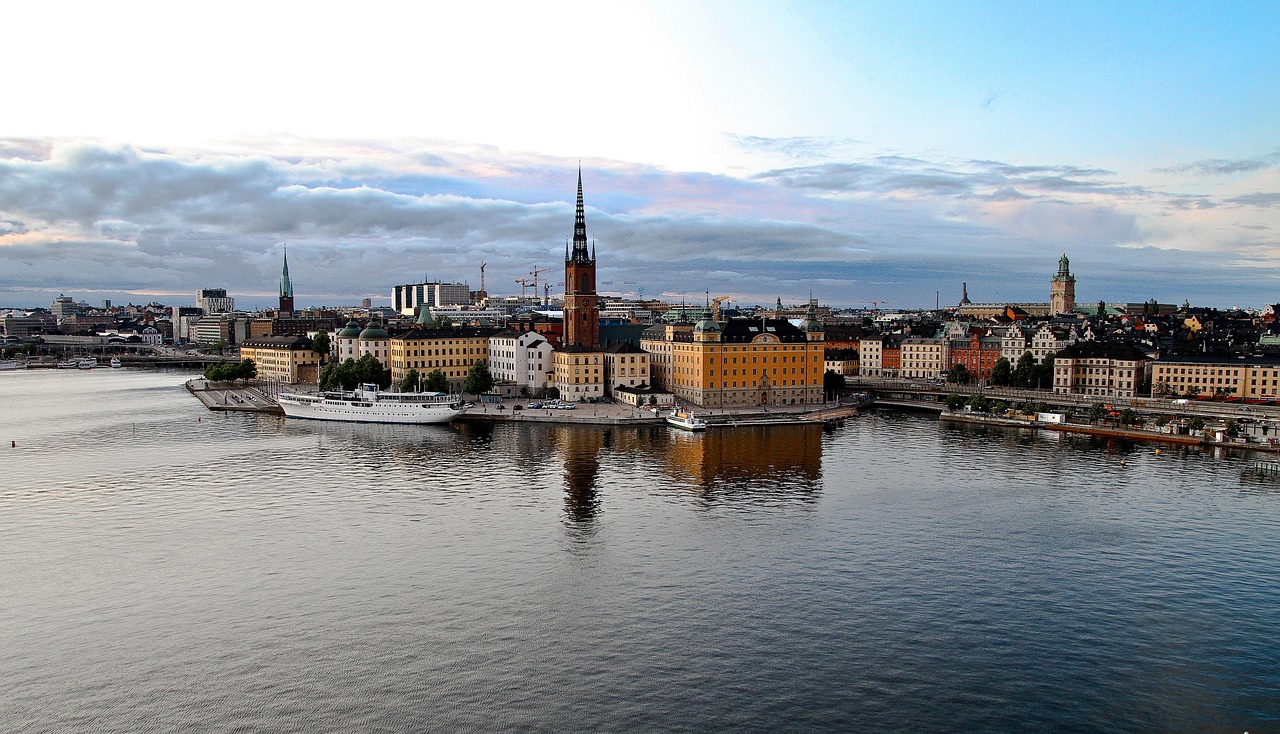
Stockholm is a city that effortlessly combines the charm of the past with the confidence of modern Scandinavia. Built across 14 islands connected by bridges and surrounded by the waters of Lake Mälaren and the Baltic Sea, the Swedish capital offers a setting unlike almost any other European city.
Historic palaces stand alongside contemporary architecture, fashionable neighbourhoods are filled with independent boutiques and stylish cafés, and green parks provide peaceful retreats just minutes from the city centre. Beyond the urban landscape lies the extraordinary Stockholm Archipelago, where thousands of islands invite visitors to explore a quieter, more secluded side of Sweden.
For international travellers seeking a sophisticated city break, Stockholm offers far more than conventional sightseeing. It is a destination for memorable culinary experiences, Scandinavian design, cultural discovery and relaxing moments beside the water.
Whether you are planning a romantic weekend, a luxury shopping trip, a family holiday or the beginning of a wider Scandinavian adventure, Stockholm deserves a place on your travel itinerary.
Gamla Stan: Discover the Historic Heart of Stockholm
Gamla Stan, Stockholm’s Old Town, is one of the city’s most atmospheric districts and an essential stop for anyone visiting the Swedish capital.
Located on the island of Stadsholmen, this historic neighbourhood is famous for its narrow cobblestone streets, colourful buildings, charming squares and centuries-old architecture. Walking through Gamla Stan feels like stepping into another era, with medieval street layouts and beautifully preserved façades revealing the city’s long history.
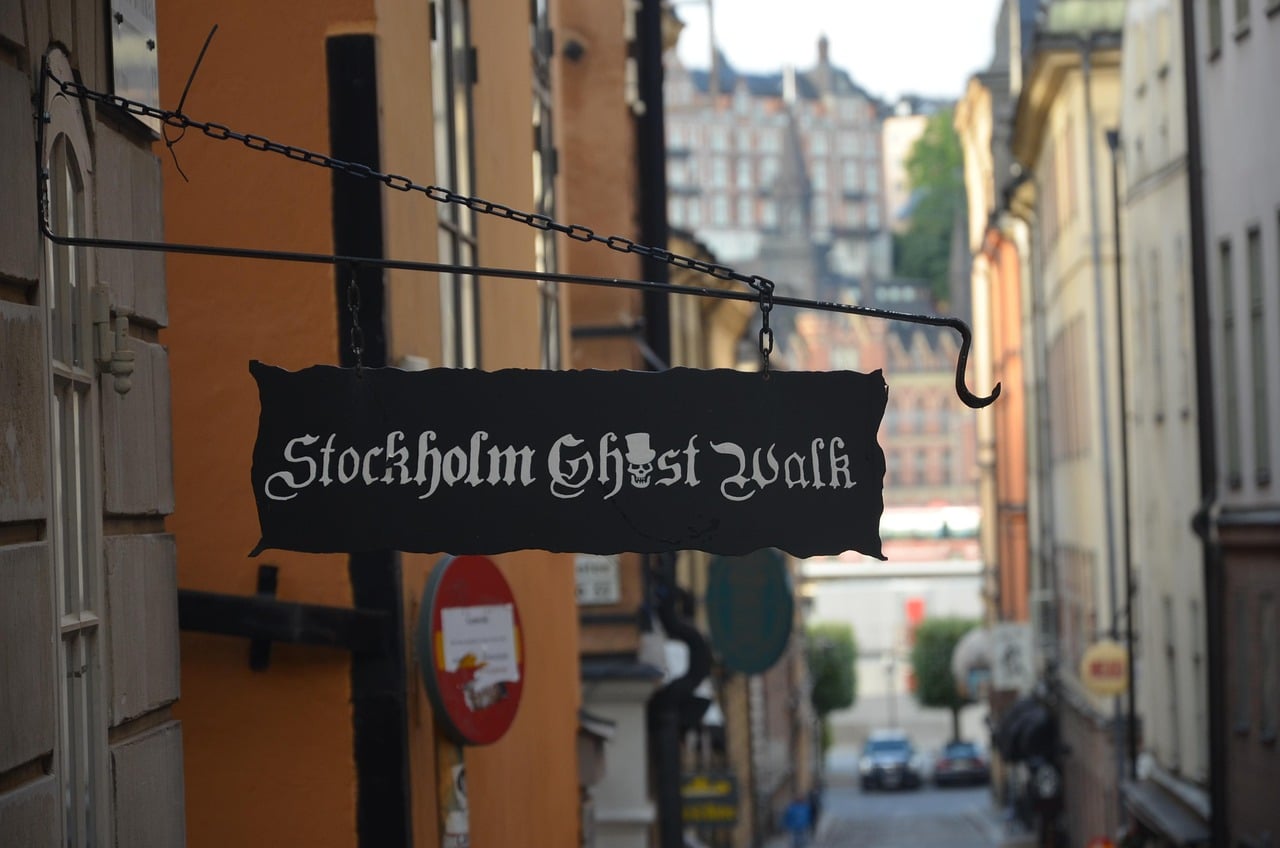
Stortorget, the district’s best-known square, is particularly photogenic. Its colourful historic houses create one of Stockholm’s most recognisable views, while cafés and restaurants provide inviting places to pause and enjoy the atmosphere.
The district is also home to the Royal Palace, one of Europe’s largest royal palaces still used for official purposes. Visitors can explore selected state rooms, royal collections and museums, depending on opening arrangements.
Nearby, Stockholm Cathedral offers another glimpse into the city’s heritage, combining historic architecture with an important place in Swedish royal and religious history.
Gamla Stan is best explored on foot. Small side streets lead to independent shops, traditional restaurants and quiet corners that are easily missed by visitors who follow only the main routes.
For a more exclusive experience, consider a private guided walking tour that explores Stockholm’s royal history, architecture and lesser-known stories.
The neighbourhood is particularly enchanting in the early morning, when the streets are quieter, or in the evening, when the historic buildings take on a warm glow.
The Royal Palace and Sweden’s Royal Heritage
Stockholm offers visitors an opportunity to explore Sweden’s royal history through its palaces, museums and ceremonial traditions.
The Royal Palace, located in the heart of the city, is an imposing landmark overlooking the surrounding historic district. Its grand interiors and royal collections provide insight into the Swedish monarchy and the country’s cultural heritage.
Visitors may also have the opportunity to witness the changing of the Royal Guard, although schedules vary and should be checked before travelling.
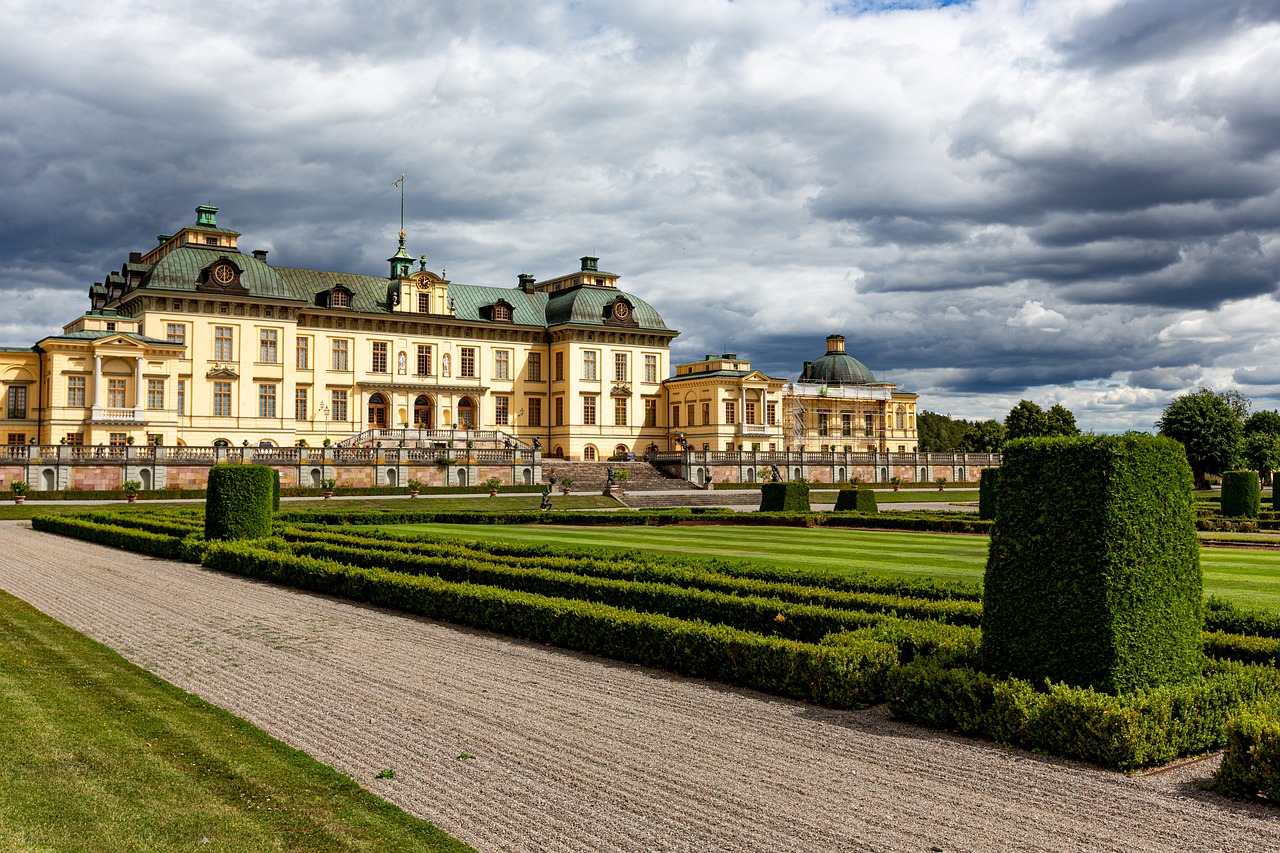
For travellers interested in royal architecture, a visit to Drottningholm Palace is particularly rewarding. Located on the island of Lovön outside central Stockholm, the palace is the private residence of the Swedish royal family and a UNESCO World Heritage Site.
Its formal gardens, historic interiors and carefully designed surroundings make it an excellent excursion from the city centre.
The palace complex includes the Drottningholm Palace Theatre, a remarkable historic theatre that preserves much of its original character and stage machinery.
A visit can easily be combined with a scenic boat journey, depending on the season and available services.
For luxury travellers, these royal sites offer an appealing combination of architecture, history and refined surroundings. They also provide a valuable perspective on Sweden’s cultural identity and its enduring relationship with tradition.
Stockholm’s Waterfront: The City at Its Most Beautiful
Water is central to Stockholm’s identity. The city is shaped by its islands, canals, harbours and waterfront promenades, creating a natural connection between urban life and the surrounding landscape.
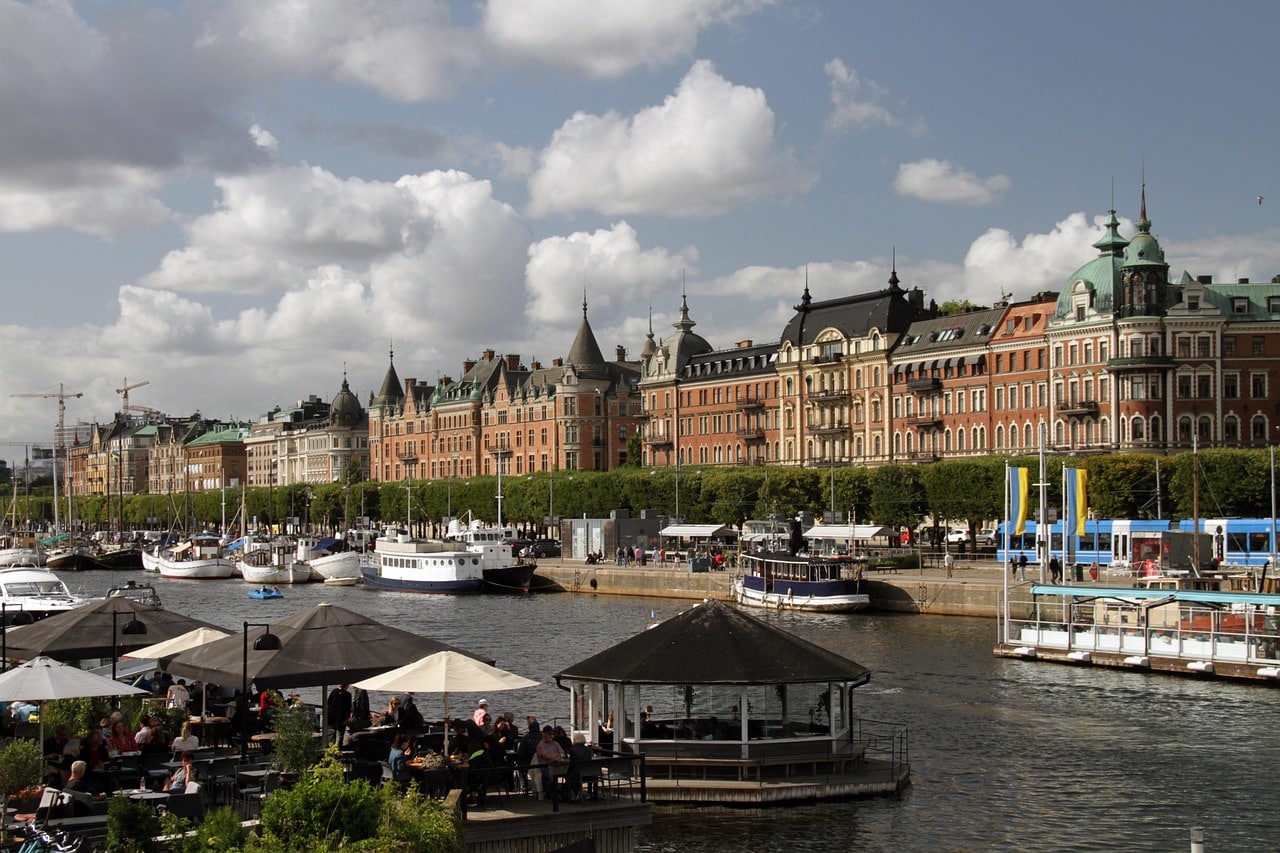
One of the pleasures of visiting Stockholm is simply walking along the water. The views change constantly, revealing historic buildings, elegant bridges, moored boats and the islands that make up the city.
Strandvägen is among the capital’s most prestigious waterfront boulevards. Its impressive buildings, tree-lined pavements and proximity to the harbour make it a popular area for leisurely walks.
From here, visitors can admire the waterfront architecture, watch boats move through the channels and continue towards Djurgården, one of Stockholm’s most attractive green spaces.
The city is equally appealing from the water itself. Sightseeing cruises offer a different perspective on Stockholm’s architecture and geography, while private boat charters allow visitors to explore at their own pace.
During summer, the long daylight hours create particularly beautiful conditions for sailing and evening excursions. In winter, the waterfront takes on a quieter atmosphere, with crisp air, muted colours and occasional frozen stretches of sheltered water.
For travellers seeking a more intimate experience, a private boat trip combined with a restaurant visit or picnic can be an excellent way to discover the capital.
In Stockholm, the waterfront is not merely a backdrop. It is an essential part of the city’s lifestyle and one of the reasons the Swedish capital feels so distinctive.
The Stockholm Archipelago: A World of Islands Beyond the City
One of Stockholm’s greatest advantages is its proximity to the Stockholm Archipelago, a vast maritime landscape consisting of approximately 30,000 islands, islets and rocky outcrops.
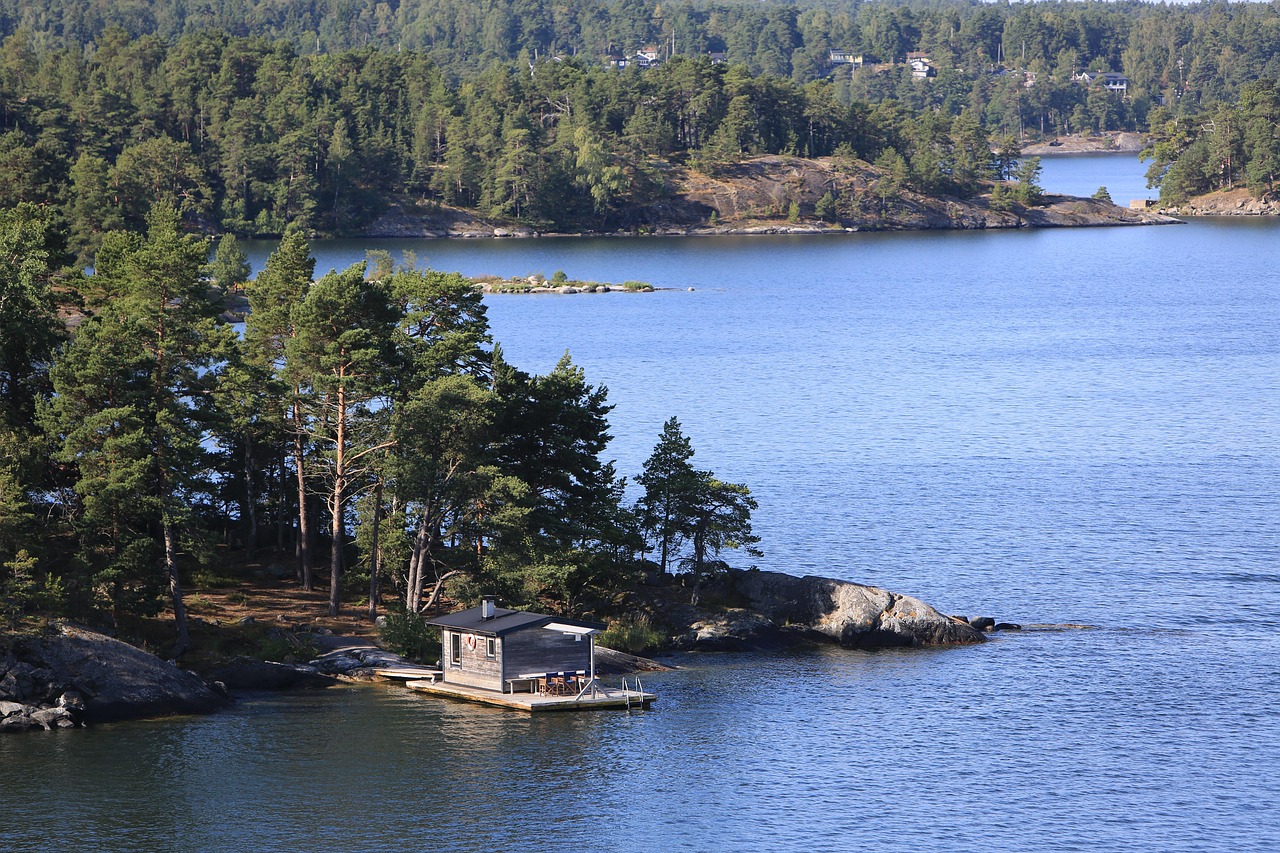
Stretching eastwards into the Baltic Sea, the archipelago offers a remarkable contrast to the city’s elegant streets and urban attractions.
Some islands feature traditional villages, guesthouses, cafés and small harbours. Others are almost untouched, with pine forests, smooth granite rocks and secluded places to swim or enjoy a picnic.
Visitors can explore the archipelago by public ferry, guided boat tour, kayak or private yacht. The best choice depends on the time available and the type of experience desired.
Vaxholm is one of the best-known gateway destinations, with attractive streets, a historic fortress and a lively summer atmosphere. Further into the archipelago, islands such as Sandhamn offer a combination of maritime heritage, sailing culture and relaxed coastal life.
For a more exclusive holiday, private yacht excursions allow travellers to discover smaller islands and quiet anchorages away from the busiest routes.
A day in the archipelago might include swimming in the Baltic Sea, enjoying a seafood lunch at a waterfront restaurant and spending the afternoon exploring a picturesque island village.
Travellers with more time can consider an overnight stay in a coastal hotel or traditional Swedish summer house.
The archipelago is particularly beautiful between late spring and early autumn, when the weather is generally more suitable for boating and outdoor activities. Summer is the most popular season, so advance planning is recommended for sought-after accommodation and experiences.
For visitors who want to understand why Swedes value outdoor living so highly, the Stockholm Archipelago is an essential part of the journey.
Luxury Hotels in Stockholm: Where Scandinavian Elegance Meets Comfort
Stockholm has an impressive selection of hotels, ranging from historic grand properties to contemporary boutique hotels with distinctive Scandinavian interiors.
The city’s luxury accommodation often reflects the principles of Nordic design: natural materials, restrained colour palettes, thoughtful lighting and an emphasis on comfort rather than unnecessary extravagance.
For travellers who enjoy classic elegance, historic hotels offer a sense of occasion, with carefully restored interiors, attentive service and restaurants that make the most of Swedish ingredients.
Contemporary properties appeal to visitors who prefer modern architecture, stylish rooms and easy access to Stockholm’s shopping, cultural attractions and nightlife.
Location is an important consideration when choosing where to stay.
Norrmalm is convenient for shopping, transport connections and many central attractions. Östermalm offers an elegant atmosphere, upmarket boutiques and access to prestigious waterfront areas. Gamla Stan is ideal for visitors who want to stay close to the historic heart of the city, while Södermalm appeals to travellers interested in independent shops, cafés and creative culture.
For a quieter experience, consider accommodation close to Djurgården or the waterfront, where parks and scenic walking routes provide a welcome contrast to the busy centre.
When choosing a luxury hotel, it is worth looking beyond the room itself. A good restaurant, a relaxing spa, a beautiful view or an inviting lounge can make a significant difference to a short city break.
Stockholm is particularly well suited to travellers who want to combine sightseeing with periods of relaxation rather than filling every hour with activities.
Fine Dining in Stockholm: A Destination for Food Lovers
Stockholm has established itself as one of Scandinavia’s most interesting culinary destinations, with a restaurant scene that combines Swedish traditions, seasonal ingredients and contemporary international influences.
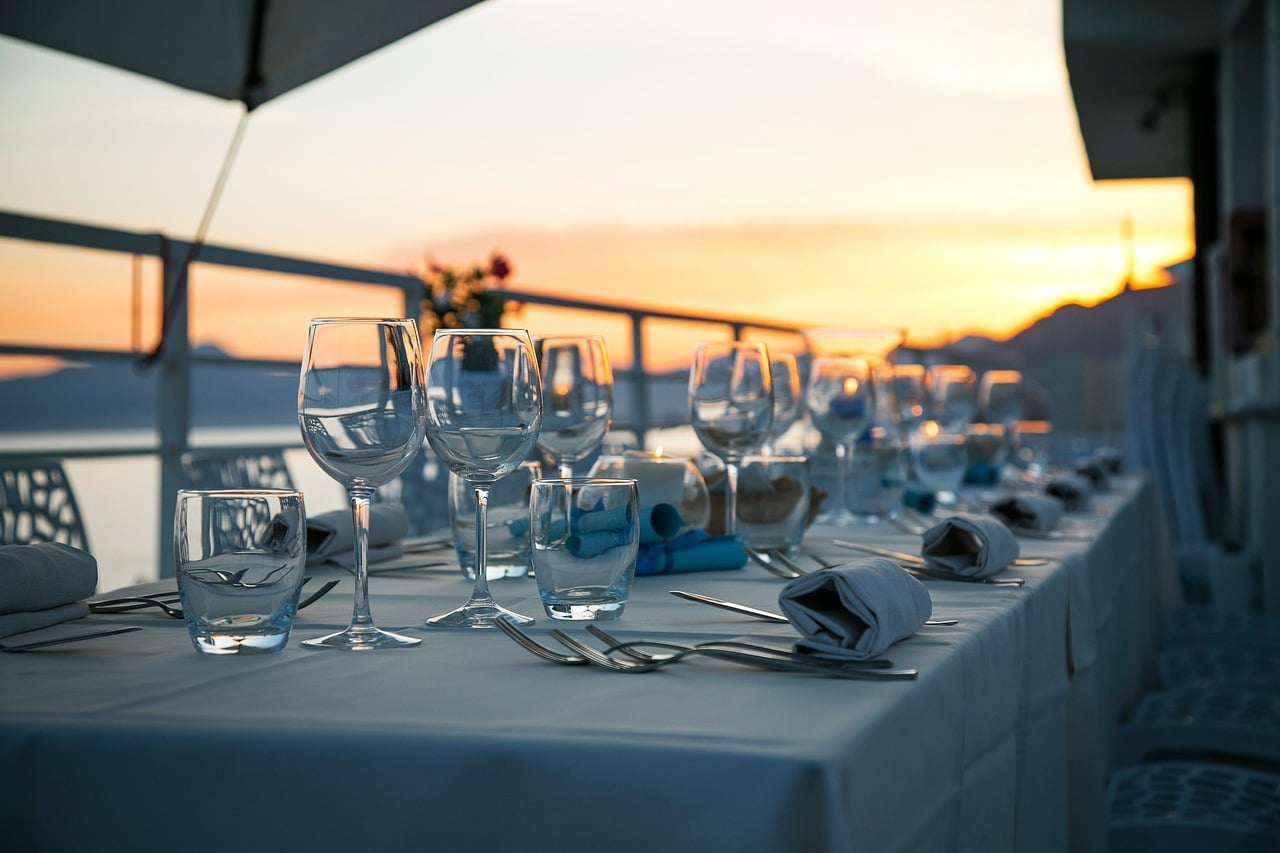
The city offers everything from relaxed neighbourhood bistros to ambitious tasting-menu restaurants where chefs explore the possibilities of Nordic cuisine.
Local ingredients play an important role. Depending on the season, menus may feature seafood, freshwater fish, wild mushrooms, berries, root vegetables and game.
Modern Swedish cooking often focuses on simplicity and quality, allowing individual ingredients to take centre stage. Traditional flavours are frequently reinterpreted through contemporary techniques and creative presentation.
For travellers seeking an exceptional dining experience, Stockholm provides opportunities to explore tasting menus, carefully selected wine pairings and inventive non-alcoholic drinks.
The city’s seafood restaurants are particularly appealing, with fish and shellfish reflecting Sweden’s long relationship with its surrounding waters.
Visitors should also make time for traditional Swedish food. Gravlax, Swedish meatballs served with lingonberries, and seasonal pastries offer a taste of the country’s culinary heritage.
For a more informal experience, explore Stockholm’s cafés and food markets. These are excellent places to discover Swedish baked goods, local specialities and everyday dining culture.
Restaurant reservations are advisable for popular establishments, particularly on weekends and during major travel periods.
For luxury travellers, Stockholm’s food scene provides a compelling reason to extend a visit beyond a single night.
Scandinavian Design and Luxury Shopping
Stockholm is one of Europe’s leading destinations for Scandinavian design, making it particularly attractive to visitors who appreciate fashion, interiors and craftsmanship.
The city’s shopping districts combine international luxury brands with Swedish designers, independent boutiques and specialist stores.
Östermalm is known for its elegant atmosphere and upmarket shopping. Here, visitors can explore fashion, accessories, jewellery and homeware in an area that also offers stylish cafés and restaurants.
Biblioteksgatan and the surrounding streets provide further opportunities to discover premium fashion and contemporary Scandinavian labels.
For those interested in interior design, Stockholm offers a wealth of shops featuring furniture, textiles, ceramics, lighting and decorative objects. The emphasis is often on functionality, quality materials and understated visual appeal.
The city’s design heritage extends beyond retail. Museums, galleries, architecture and public spaces reveal how design influences everyday life in Sweden.
Visitors interested in this subject should consider exploring both established design institutions and smaller independent studios, where emerging creators offer fresh interpretations of Scandinavian style.
Stockholm is also a rewarding destination for those who prefer shopping as a leisurely experience rather than a hurried activity. Many districts combine attractive streetscapes with cafés, galleries and restaurants, making it easy to turn an afternoon of browsing into a complete city experience.
For travellers seeking distinctive souvenirs, Swedish glassware, ceramics, textiles and carefully designed everyday objects offer a more personal alternative to conventional tourist merchandise.
Djurgården: Museums, Parks and Peaceful Green Spaces
Despite its urban sophistication, Stockholm has an impressive amount of accessible green space. Djurgården is one of the city’s most attractive areas, combining landscaped parks, wooded paths, museums and waterfront scenery.
The island is particularly popular with visitors who want to balance cultural sightseeing with time outdoors.
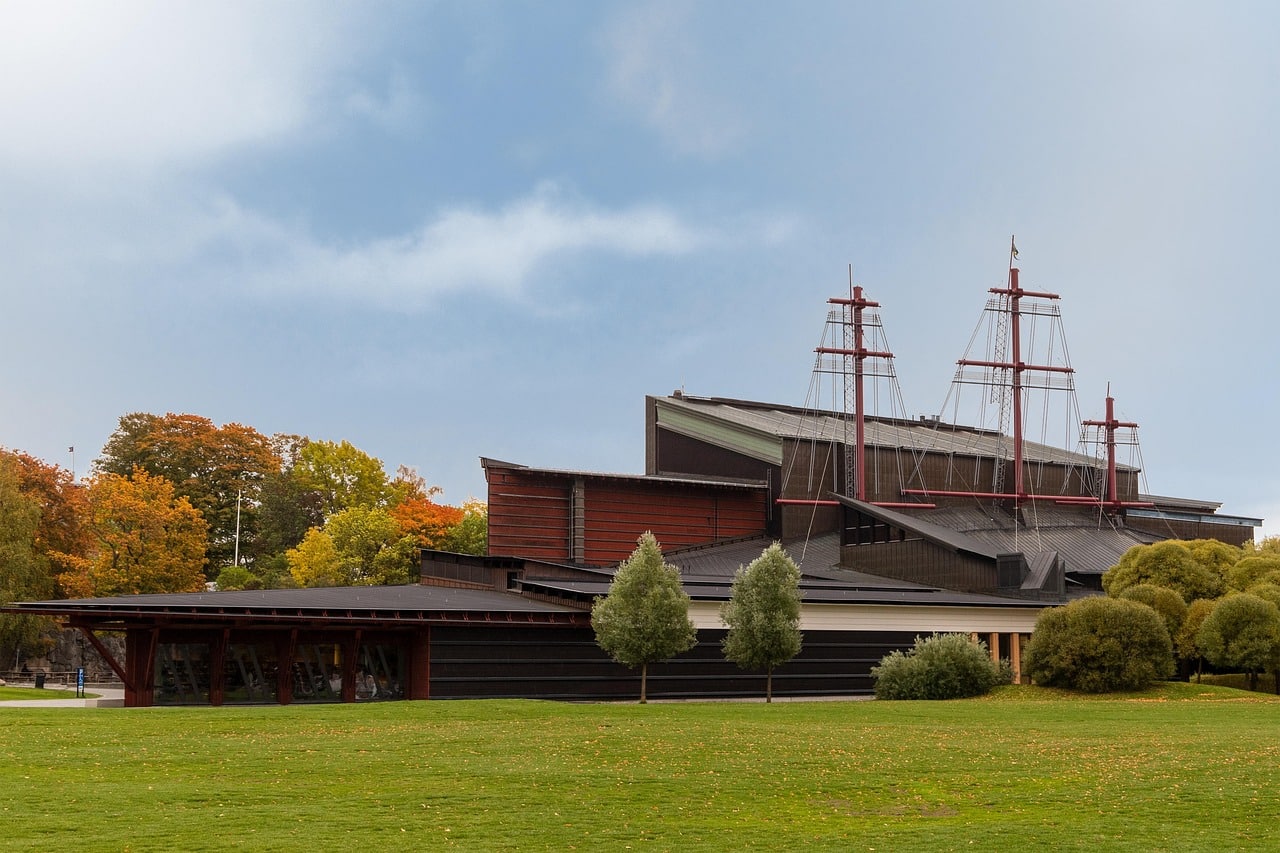
One of its most famous attractions is the Vasa Museum, which houses the remarkably preserved seventeenth-century warship Vasa. The ship sank on its maiden voyage in 1628 and was salvaged more than three centuries later.
The museum provides a fascinating insight into Swedish maritime history, craftsmanship and life during the seventeenth century.
Nearby, Skansen offers an open-air museum and zoo focused on Swedish cultural heritage and Nordic animals. Historic buildings, traditional environments and seasonal events help visitors understand how life in Sweden has changed over time.
ABBA The Museum is another popular attraction, particularly for music enthusiasts interested in one of Sweden’s most internationally successful musical groups.

Djurgården is also ideal for a simple walk. Its tree-lined paths, meadows and waterfront sections offer peaceful surroundings within easy reach of central Stockholm.
In summer, visitors can combine a museum visit with a picnic or a meal at a nearby restaurant. During autumn, the changing leaves create a particularly attractive setting for walking and photography.
For families, the area provides an appealing combination of educational attractions and outdoor recreation.
Djurgården demonstrates one of Stockholm’s greatest strengths: the ability to combine world-class cultural attractions with nature in a way that feels entirely natural.
Södermalm: Creative Energy and Contemporary Stockholm
While central Stockholm is known for its historic architecture and elegant shopping streets, Södermalm offers a more relaxed and creative atmosphere.
Often referred to simply as Söder, the island is home to independent fashion boutiques, vintage shops, cafés, restaurants, galleries and lively neighbourhood streets.
It is an excellent district for travellers who want to discover a less formal side of the Swedish capital.
The neighbourhood’s varied architecture reflects its history, while its contemporary cultural scene gives it a distinctive character. Small shops and creative businesses sit alongside traditional buildings, and many streets offer attractive views across the water towards other parts of Stockholm.
Monteliusvägen, a scenic walking path, is particularly popular for its panoramic views of the city and Lake Mälaren. It is an excellent place for photography, especially around sunrise or sunset.
Södermalm also has a strong café culture. Visitors can spend an afternoon exploring independent coffee shops, sampling Swedish pastries and observing everyday life in the city.
For food lovers, the district offers an appealing mix of casual restaurants and more ambitious dining establishments.
Södermalm is particularly well suited to travellers who enjoy exploring on foot and discovering places beyond the main tourist routes. Its atmosphere differs from the polished elegance of Östermalm, offering a more informal but equally rewarding perspective on Stockholm.
Stockholm in Summer: Long Days and Outdoor Living
Summer is one of the best times to visit Stockholm. As the days become longer and temperatures rise, the city moves outdoors.
Waterfront terraces fill with visitors, parks become gathering places, and boats travel between the islands throughout the day.
The season is ideal for exploring the Stockholm Archipelago, enjoying outdoor dining and discovering the city’s green spaces.
Visitors can rent kayaks, join guided boat excursions or simply walk along the waterfront and stop at cafés whenever the mood takes them.
Summer also brings a lively calendar of cultural events, concerts and seasonal celebrations. Midsummer, one of Sweden’s most important traditional festivities, is particularly associated with flowers, dancing, seasonal food and gatherings with family and friends.
Although Stockholm is not located above the Arctic Circle, the summer nights are remarkably bright. Around the longest days of the year, daylight extends well into the evening, making it possible to enjoy sightseeing and outdoor activities for longer.
For luxury travellers, summer offers an excellent opportunity to combine city life with private excursions into the surrounding archipelago.
A memorable itinerary might include a morning exploring Gamla Stan, an afternoon aboard a private boat and an evening dining beside the water.
Accommodation and popular experiences can be in high demand during the summer months, so booking ahead is advisable.
Stockholm in Winter: Nordic Charm and a Cosy City Atmosphere
Winter transforms Stockholm into a quieter and more atmospheric destination.
Shorter days and colder temperatures encourage visitors to explore the city’s museums, galleries, restaurants and historic interiors. The waterfront takes on a different character, while cafés provide inviting places to warm up with coffee and traditional Swedish pastries.
The festive season is particularly appealing. Christmas markets, seasonal decorations and traditional foods create a welcoming atmosphere, especially in the historic streets of Gamla Stan.
Visitors can sample Swedish Christmas specialities, browse handicrafts and enjoy the city’s seasonal cultural offerings.
Winter is also an excellent time to appreciate Stockholm’s design culture, with its emphasis on lighting, natural materials and comfortable interiors.
For those who enjoy outdoor activities, opportunities depend on weather conditions. Ice skating may be available at designated locations, while nearby countryside destinations can offer winter walks and other seasonal experiences.
The Northern Lights are not a reliable attraction in central Stockholm because of the city’s location, light pollution and weather conditions. Travellers whose main objective is to see the aurora should consider Swedish Lapland instead.
For a winter city break, however, Stockholm offers plenty of reasons to visit. The combination of culture, food, historic architecture and cosy Nordic atmosphere makes it an appealing destination during the colder months.
Museums and Culture: Explore Stockholm’s Creative Heritage
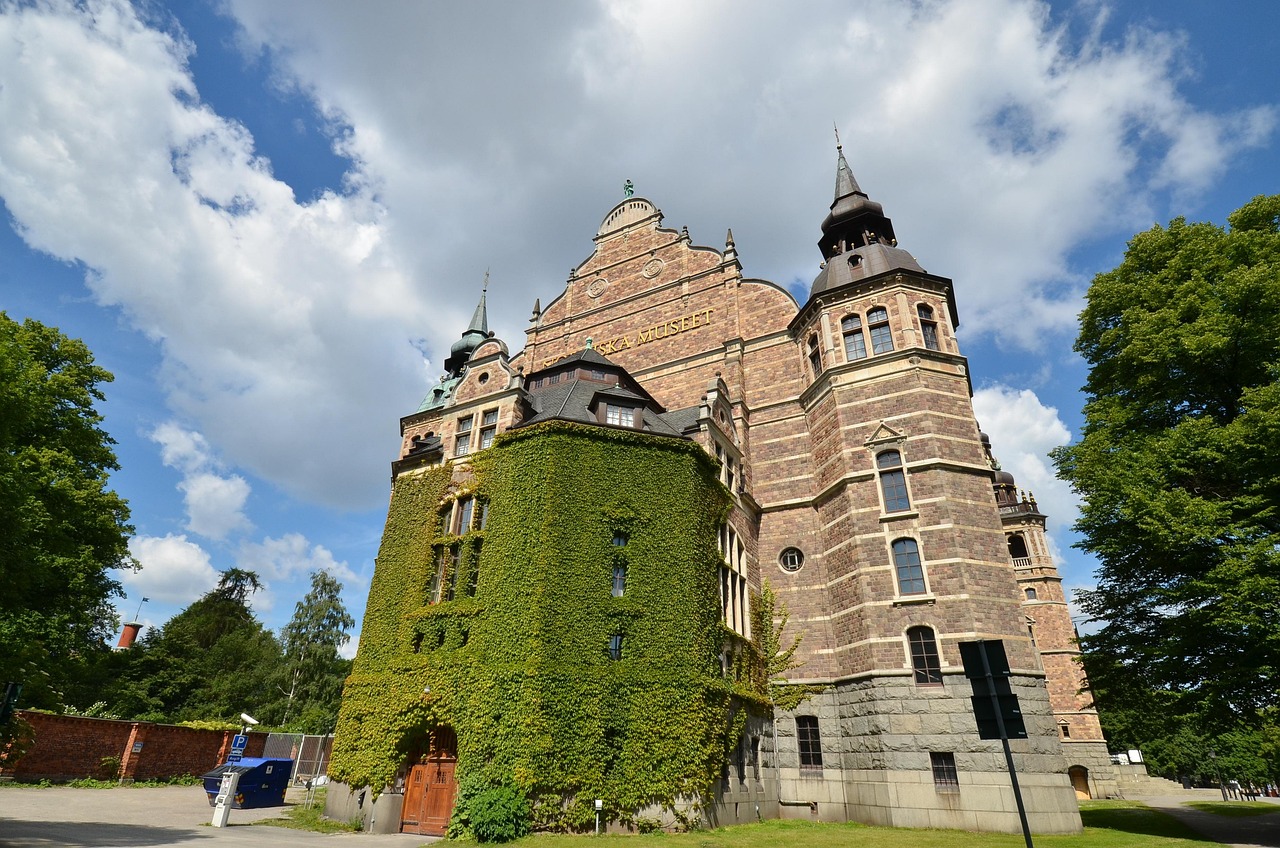
Stockholm offers a rich cultural programme that reflects Sweden’s history, artistic traditions and contemporary creativity.
The city’s museums cover an impressive range of subjects, including art, photography, maritime history, music and design.
The Nationalmuseum presents Swedish and international art and design, while Moderna Museet focuses on modern and contemporary art. Photography enthusiasts can explore Fotografiska, which is known for exhibitions featuring established and emerging photographers.
The Vasa Museum remains one of Stockholm’s most distinctive attractions, while the Royal Palace and Drottningholm Palace provide insight into royal history and architecture.
Stockholm is also an important destination for performing arts, with theatres, concert venues and opera offering opportunities to experience Swedish and international productions.
Visitors interested in architecture will find a fascinating mix of historic buildings, modernist landmarks and contemporary developments. The city’s relationship with water has shaped its urban form, producing attractive viewpoints and distinctive streetscapes.
For travellers who prefer a more personalised experience, private museum tours and specialist guides can provide additional context and access to stories that might otherwise be overlooked.
Culture in Stockholm is not confined to formal institutions. Independent galleries, design studios, music venues and neighbourhood cafés all contribute to the city’s creative identity.
Allowing time for both major attractions and smaller discoveries can make a visit considerably more rewarding.
Swedish Sauna and Wellness: Relax the Scandinavian Way
Wellness is an appealing addition to a Stockholm city break, particularly for travellers who want to balance sightseeing with relaxation.
The sauna has a long-standing place in Nordic culture, and Stockholm offers opportunities to experience traditional heat bathing alongside contemporary spa facilities.
Some wellness experiences combine sauna sessions with waterfront settings, allowing guests to enjoy views across the surrounding islands and waterways.
Depending on the facility and season, visitors may also have access to cold-water bathing or outdoor relaxation areas.
For a luxury-focused trip, a hotel spa can provide an opportunity to unwind after a day exploring the city. Treatments, relaxation areas and carefully designed interiors help create a calm environment away from the busier streets.
Wellness can also be incorporated into an excursion beyond the city centre, where lakeside settings and quieter surroundings provide a different atmosphere.
Travellers should check the facilities, booking requirements and safety guidance at individual venues before visiting, particularly if they plan to combine sauna sessions with cold-water swimming.
The appeal of Swedish wellness lies in its connection to simplicity, nature and balance. It is an excellent complement to Stockholm’s cultural attractions and culinary experiences.
Day Trips from Stockholm: Discover More of Sweden
Stockholm is an excellent base for exploring nearby destinations, and even a short extension beyond the capital can reveal a different side of Swedish life.
Drottningholm Palace is one of the most rewarding excursions. Its historic buildings, gardens and royal heritage make it particularly attractive to visitors interested in architecture and history.
Uppsala, located north of Stockholm, offers a rich academic and cultural heritage. Its cathedral, historic university environment and attractive streets make it an appealing destination for a day trip.
Sigtuna is often described as one of Sweden’s oldest towns. Its historic centre, small shops, waterfront setting and medieval remains provide a pleasant contrast to the capital.
Vaxholm is a popular gateway to the Stockholm Archipelago. Visitors can explore the town, enjoy a meal by the harbour and learn about the region’s maritime history.
For those with more time, an overnight stay on one of the archipelago islands allows a more relaxed exploration of coastal Sweden.
The best excursion depends on personal interests. History enthusiasts may prefer palace visits and historic towns, while nature lovers may choose islands, forests and waterfront destinations.
Transport options vary by destination and season, so checking current schedules before travelling is recommended.
How Many Days Should You Spend in Stockholm?
For a first visit, three days is a good starting point. This allows enough time to explore the historic centre, visit selected museums, enjoy the restaurant scene and discover some of the city’s waterfront areas.
A four- or five-day stay provides more flexibility. Visitors can spend additional time shopping, exploring Södermalm, visiting Djurgården and taking a day trip to Drottningholm Palace or the archipelago.
Travellers who want to combine Stockholm with a wider Swedish itinerary should consider staying longer, particularly if they plan to spend a night or two outside the city.
A relaxed three-day itinerary could look like this:
Day One: Historic Stockholm
Explore Gamla Stan, visit the Royal Palace and enjoy a leisurely lunch in the old town. Spend the afternoon walking along the waterfront before finishing the day with dinner at a restaurant specialising in contemporary Swedish cuisine.
Day Two: Culture and Design
Visit the Vasa Museum and explore Djurgården. In the afternoon, discover Stockholm’s design shops and boutiques before enjoying dinner in Östermalm or another central neighbourhood.
Day Three: The Archipelago
Take a boat trip into the Stockholm Archipelago. Depending on the route and season, spend time exploring an island village, enjoying a waterfront lunch or simply admiring the scenery.
This itinerary provides a balanced introduction to Stockholm’s history, culture, food and natural surroundings without making the visit feel rushed.
Practical Travel Tips for Visiting Stockholm
Stockholm is relatively easy to explore, with a well-developed public transport network and many central attractions within walking distance of one another.
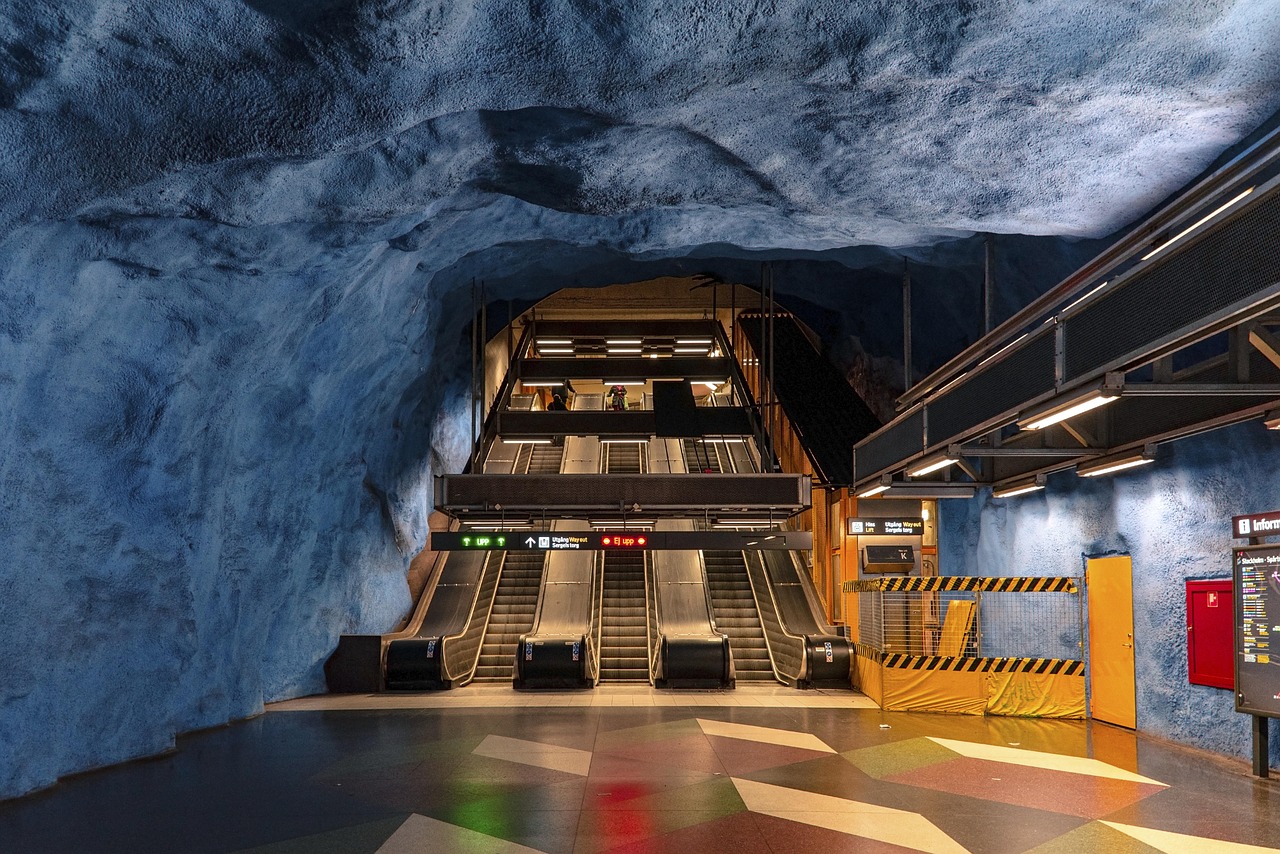
Getting around: The metro, buses, trams and ferries connect many of the city’s main districts. Walking is an excellent way to explore the historic centre and waterfront areas.
Currency: Sweden uses the Swedish krona rather than the euro. Card and digital payments are widely accepted, and visitors can generally travel without needing large amounts of cash.
Language: Swedish is the official language, and English is widely spoken, particularly in hotels, restaurants and tourist areas.
Best time to visit: June to August is ideal for outdoor activities, boat trips and the archipelago. December offers a festive winter atmosphere, while spring and autumn can be attractive for visitors seeking a quieter city break.
Reservations: Book popular restaurants, luxury hotels and private excursions in advance, especially during summer and major events.
Getting there: Stockholm is served by Stockholm Arlanda Airport, the main international airport, with transport connections to the city centre. Other airports serve some regional and low-cost routes, so check your arrival airport carefully when booking.
Responsible travel: Stockholm’s natural environment is one of its greatest assets. Respect local rules in parks and protected areas, follow guidance when exploring the archipelago and choose responsible operators for boat trips and outdoor activities.
A little preparation can make a significant difference, allowing you to spend more time enjoying the city and less time organising practical details.
Why Stockholm Belongs on Your Luxury Travel Bucket List
Stockholm is a destination that rewards visitors who appreciate both sophistication and authenticity.
Its historic streets, royal palaces and world-class museums provide cultural depth, while its restaurants, boutique hotels and design shops create opportunities for a refined city break.
Beyond the centre, the Stockholm Archipelago opens the door to an entirely different experience, with secluded islands, peaceful waterways and the freedom to explore at a slower pace.
Few European capitals combine these elements so naturally. In Stockholm, a morning spent discovering centuries of history can be followed by an afternoon sailing through the Baltic waters and an evening enjoying contemporary Nordic cuisine.
The city is equally rewarding for couples, families, food enthusiasts, design lovers and travellers seeking a comfortable introduction to Scandinavia.
Whether you visit during the bright summer months or the atmospheric winter season, Stockholm offers a distinctive combination of urban culture and natural beauty.
For those planning a luxury holiday in Sweden, the capital is an ideal starting point and a destination worth exploring in its own right.
Discover Stockholm, where Scandinavian elegance meets island life, and experience a city that makes every moment feel a little more extraordinary.