The best of Norway
Norway is a country that seems almost too extraordinary to be real. Towering mountains rise dramatically from deep blue fjords, waterfalls cascade down sheer cliffs, and remote fishing villages cling to rugged coastlines beneath vast Arctic skies. In summer, the sun barely sets in the north, while winter transforms the landscape into a world of snow-covered wilderness, frozen lakes and dancing northern lights.
For travellers seeking something beyond conventional luxury holidays, Norway offers a rare combination of spectacular scenery, authentic cultural experiences, peaceful wilderness and sophisticated Scandinavian living. Here, exclusivity is not necessarily defined by grand resorts or crowded attractions. It can mean waking up in a secluded cabin overlooking a fjord, sailing past ancient glaciers, dining on freshly caught seafood in a harbour village or watching the northern lights from a glass-roofed lodge in the Arctic.
Norway is a destination where nature is the main attraction, yet the experiences available to visitors are remarkably diverse. From the vibrant streets of Oslo to the dramatic landscapes of the Lofoten Islands and the remote wilderness of Svalbard, the country invites travellers to discover a different side of Europe.
Why Norway Is One of Europe’s Most Extraordinary Destinations
Norway’s appeal lies in its contrasts. It is one of Europe’s most sparsely populated countries, with vast areas of mountains, forests and wilderness, yet it also offers modern cities, excellent restaurants, innovative architecture and a thriving cultural scene.
The country’s geography is particularly remarkable. Its coastline stretches for thousands of kilometres when the intricate network of fjords and islands is included. Deep valleys, dramatic mountain plateaus and glaciers create landscapes that change dramatically from one region to another.
For international visitors, Norway can feel genuinely exotic. The scenery is unlike that of Mediterranean Europe, the climate creates distinctive seasonal experiences, and the relationship between people and nature remains central to everyday life.
The Norwegian concept of friluftsliv, which celebrates spending time outdoors, captures much of this national character. Hiking, skiing, kayaking, fishing and simply enjoying the tranquillity of the landscape are not just holiday activities but an important part of the Norwegian way of life.
Visitors do not need to be experienced adventurers to enjoy the country. Scenic train journeys, fjord cruises, mountain viewpoints and comfortable wilderness lodges make many of Norway’s most spectacular landscapes accessible to travellers who prefer a relaxed pace.
The Norwegian Fjords: A Masterpiece of Nature
Few natural landscapes are as closely associated with Norway as its fjords. These immense sea inlets, carved by glaciers over thousands of years, penetrate deep into the mountainous interior and create some of the most dramatic scenery in the world.
The combination of steep cliffs, deep water, cascading waterfalls and small settlements makes a fjord journey one of the essential Norwegian experiences.
Geirangerfjord: Norway at Its Most Dramatic
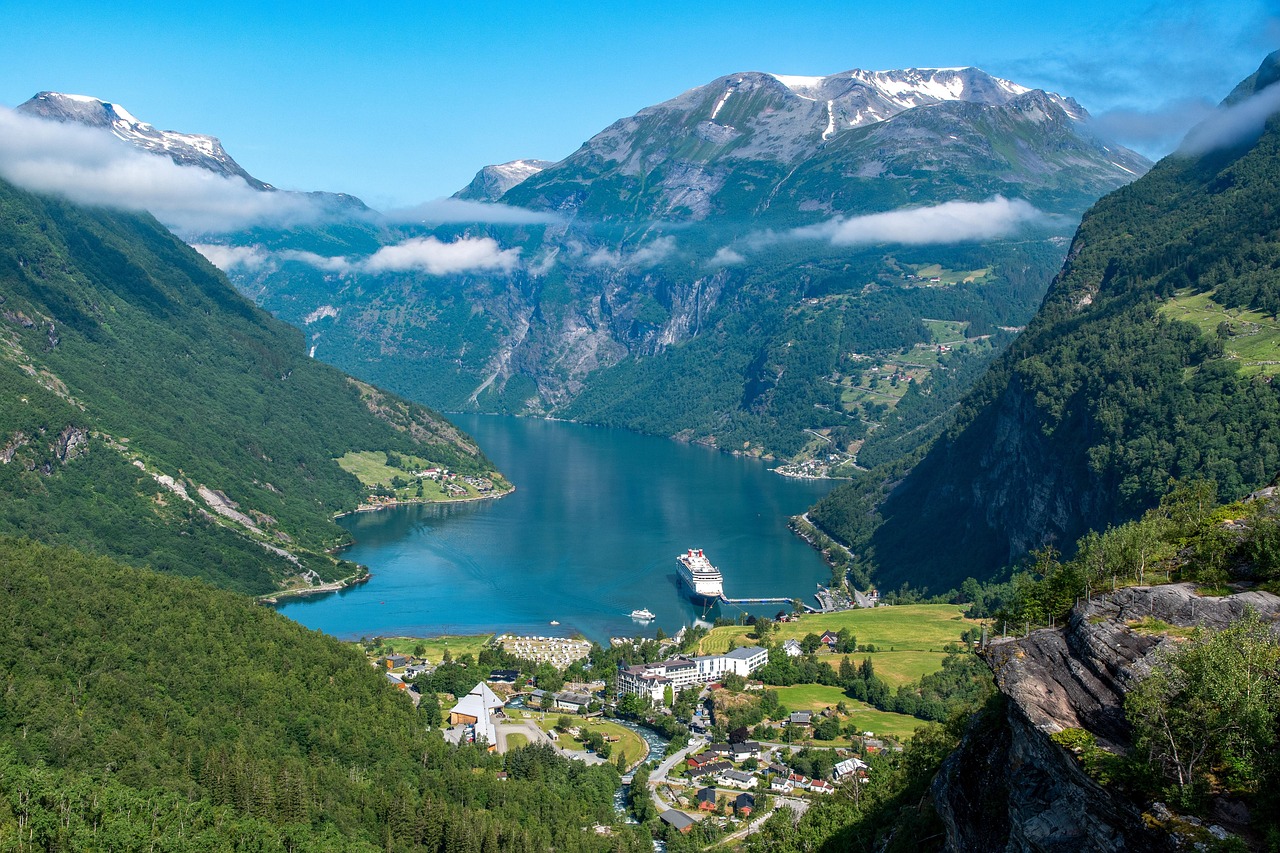
Geirangerfjord is among the country’s most celebrated natural attractions. Surrounded by towering mountains and green slopes, the fjord is famous for its waterfalls, including the Seven Sisters, whose streams plunge down the mountainside towards the water below.
Travellers can experience the landscape from several perspectives. A boat excursion reveals the scale of the cliffs, while scenic roads and mountain viewpoints provide extraordinary panoramic views. For those who enjoy active holidays, hiking trails lead towards elevated viewpoints overlooking the fjord.
A stay in the surrounding region can be particularly rewarding. Boutique hotels and refined countryside accommodation offer the opportunity to enjoy the scenery in relative tranquillity, especially outside the busiest summer periods.
Nærøyfjord: A Journey into a Narrow Mountain World
Nærøyfjord, part of the UNESCO-listed West Norwegian Fjords, is another essential destination. Its narrow waters are enclosed by exceptionally steep mountains, creating an almost theatrical landscape.
A quiet boat journey through the fjord allows visitors to appreciate the scale of the surrounding cliffs and the small settlements that have existed here for generations. The experience is particularly memorable in changing weather, when low clouds drift across the mountain peaks and waterfalls appear along the dark rock faces.
The nearby village of Flåm is a popular starting point for fjord adventures and scenic railway journeys. It provides a convenient base for exploring the region without sacrificing access to its remarkable natural surroundings.
Sognefjord: The King of the Fjords
Sognefjord is Norway’s longest and deepest fjord system and offers an extraordinary variety of landscapes. Travellers can explore peaceful villages, fertile valleys, mountain roads and branches of the fjord that reach towards glaciers and remote communities.
The surrounding region is ideal for a multi-day journey, combining boat excursions with hiking, local food experiences and scenic drives.
For visitors seeking a more immersive holiday, Sognefjord offers the chance to slow down and experience Norway beyond the main tourist stops. A few nights in a fjordside hotel, with mountains reflected in the water and little noise beyond the surrounding countryside, can become one of the most memorable parts of a Norwegian itinerary.
The Northern Lights: One of the World’s Greatest Natural Spectacles
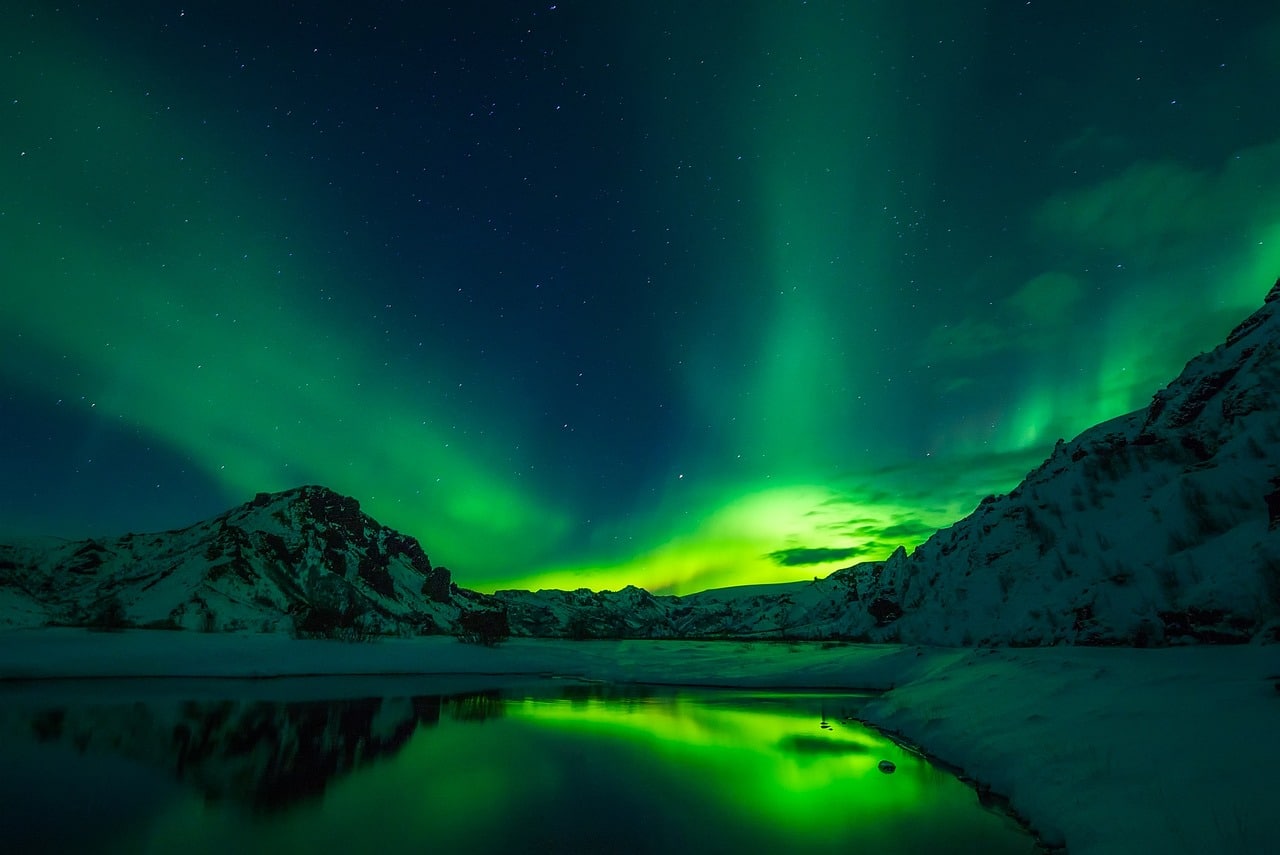
For many international travellers, seeing the northern lights is the ultimate reason to visit Norway.
Known as the aurora borealis, this extraordinary natural phenomenon occurs when charged particles from the Sun interact with Earth’s atmosphere. The result is a shifting display of green, sometimes pink or violet, light that moves across the night sky.
Northern Norway is one of the best regions in Europe to pursue this experience, particularly from late autumn through winter and into early spring.
Tromsø: The Gateway to the Aurora
Tromsø is one of the most popular destinations for northern lights holidays. Located well above the Arctic Circle, the city combines a lively cultural scene with convenient access to surrounding wilderness.
Visitors can join guided aurora excursions that travel away from city lights in search of clearer skies. Depending on weather conditions, these journeys may head towards coastal landscapes, inland valleys or neighbouring regions.
Tromsø also offers experiences that make an Arctic holiday more complete. Travellers can visit traditional Sámi cultural attractions, learn about reindeer herding, join whale-watching excursions when seasonal conditions permit, or explore the surrounding mountains on snowshoes.
The city itself has restaurants, cafés, museums and a distinctive Arctic atmosphere. This combination makes it particularly attractive to travellers who want adventure during the day and comfortable accommodation and good dining in the evening.
The Lofoten Islands: Aurora over the Arctic Sea
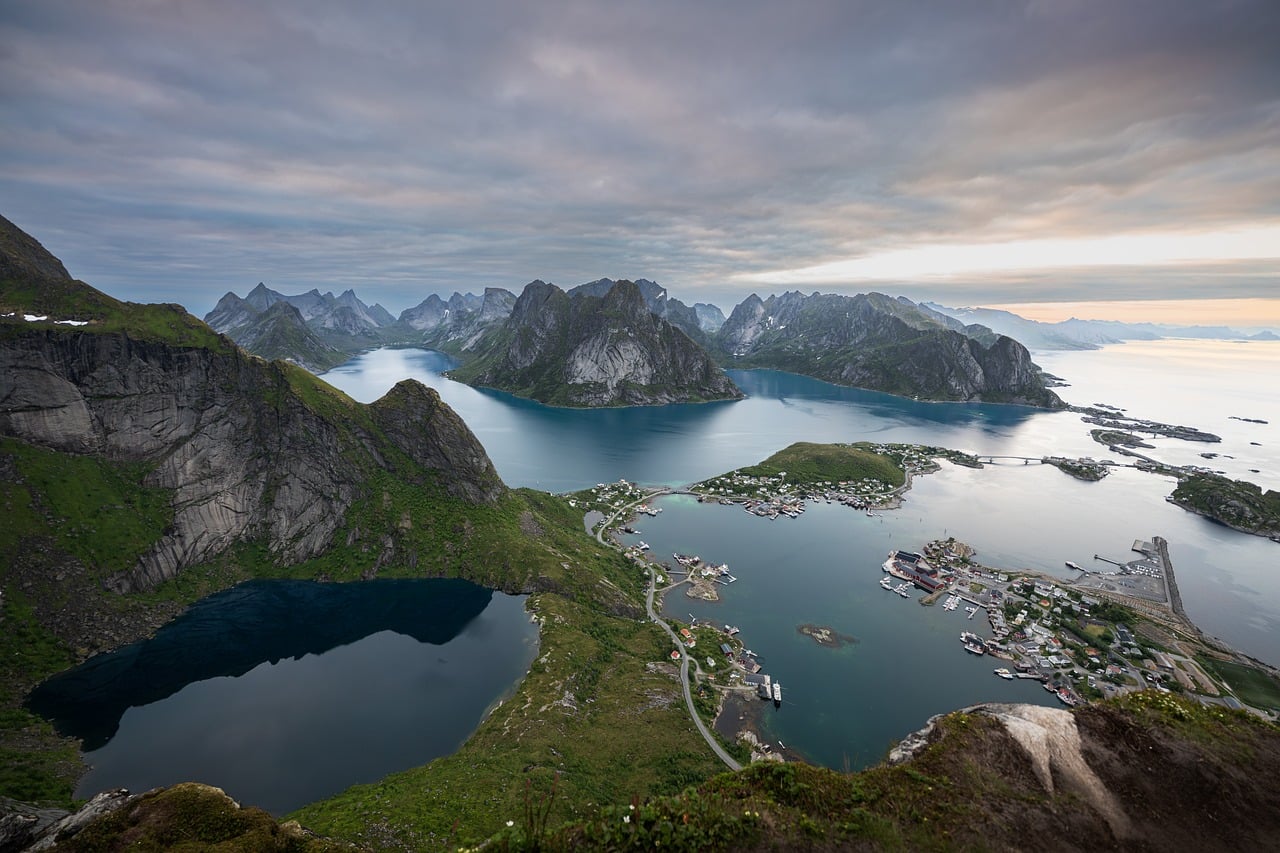
The Lofoten Islands offer a different setting for northern lights viewing. Here, dramatic mountain peaks rise almost directly from the sea, while small fishing villages are scattered along sheltered bays and narrow stretches of coastline.
Imagine standing beside a traditional red fishing cabin while green ribbons of light move above the mountains and reflect across the water. Few travel experiences create such a powerful sense of remoteness and wonder.
The northern lights are never guaranteed, however. Cloud cover, solar activity and local weather conditions all influence the chances of seeing them. Travellers should ideally spend several nights in the region rather than relying on a single evening.
Where to Stay for a Memorable Aurora Experience
Norway’s Arctic accommodation includes glass-roofed cabins, wilderness lodges and secluded coastal retreats designed to bring guests closer to the landscape.
Some properties offer private outdoor hot tubs, panoramic windows and direct access to the surrounding wilderness. Others focus on a more traditional experience, with wood-fired saunas, local cuisine and cosy interiors.
For luxury travellers, the most rewarding choice is often accommodation that combines comfort with a genuine connection to nature. Waking up in a quiet Arctic landscape can be just as memorable as the lights themselves.
Oslo: A Scandinavian Capital Surrounded by Nature
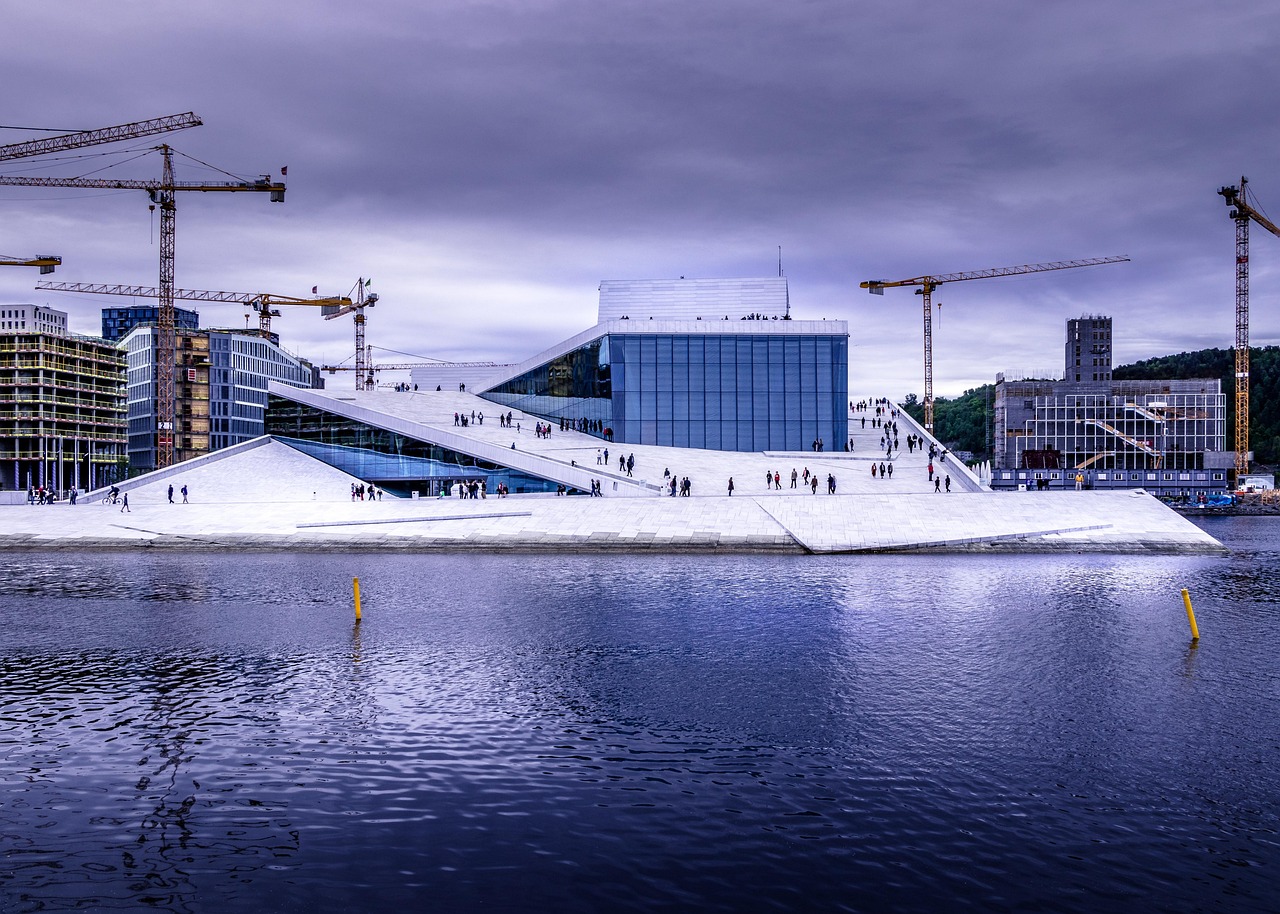
Norway’s capital, Oslo, offers a different perspective on the country. It is a modern, welcoming city where contemporary architecture, Nordic design, excellent restaurants and a relaxed outdoor lifestyle exist side by side.
For international visitors, Oslo is an ideal starting point for a Norwegian holiday. It provides a useful introduction to the country’s culture, cuisine and history before travellers continue towards the fjords, mountains or Arctic regions.
Architecture, Art and Scandinavian Design
The Oslo Opera House is one of the city’s most distinctive landmarks. Its sloping white roof rises from the waterfront and can be explored on foot, allowing visitors to enjoy views across the harbour.
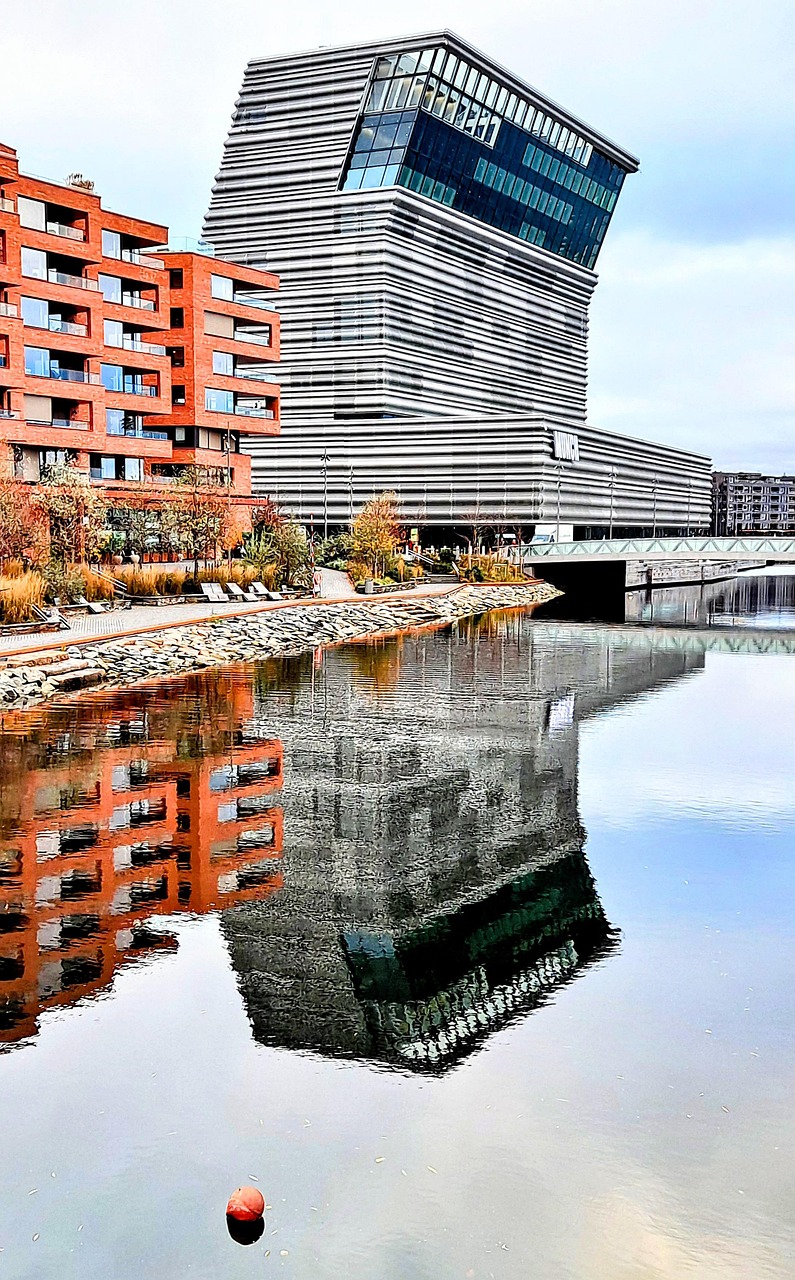
Nearby, the Barcode district showcases contemporary architecture, while the MUNCH museum presents the work and legacy of Edvard Munch, one of Norway’s most internationally recognised artists.
The National Museum is another major attraction, with extensive collections spanning Norwegian and international art, architecture and design.
For travellers interested in modern Scandinavian aesthetics, Oslo also offers design shops, independent galleries and carefully curated interiors that reflect the country’s understated approach to style.
A City with Nature on Its Doorstep
One of Oslo’s greatest advantages is its proximity to outdoor recreation. The Oslofjord stretches along the city’s southern edge, with islands, beaches and sheltered waters that are particularly inviting during the summer months.
Boat excursions offer views of the coastline, while local ferries make it possible to explore several islands in a single day. Swimming, picnicking and relaxing beside the water are popular summer activities.
To the north, the forests of Nordmarka provide an extensive network of walking and cycling trails. In winter, the same general region becomes a destination for cross-country skiing.
The Holmenkollen area offers panoramic views across the city and fjord, along with a ski-jumping landmark that reflects Norway’s deep connection with winter sports.
This easy transition from urban life to woodland and water is a defining characteristic of Oslo. Visitors can spend the morning exploring museums and enjoy a forest walk or waterfront dinner later the same day.
Oslo’s Food Scene
Norwegian cuisine has evolved considerably, with chefs increasingly combining local ingredients and traditional food culture with modern techniques.
Seafood is a natural highlight. Depending on the season and restaurant, visitors may encounter Norwegian salmon, cod, king crab, shellfish and other products from the country’s extensive coastline.
The city also has restaurants that emphasise seasonal produce, regional ingredients and contemporary Nordic cooking. For luxury travellers, a carefully planned dinner can provide an introduction to the flavours and culinary traditions of Norway.
Oslo is worth exploring in its own right, but it is also a reminder that Norway’s appeal extends far beyond its wilderness. The capital combines cultural sophistication with an unusually close relationship to the natural world.
The Lofoten Islands: A World of Their Own
Located in northern Norway, the Lofoten Islands are among the country’s most photogenic destinations. The landscape is defined by sharp mountain peaks, white-sand beaches, turquoise water and fishing villages whose colourful buildings create a striking contrast with the surrounding scenery.
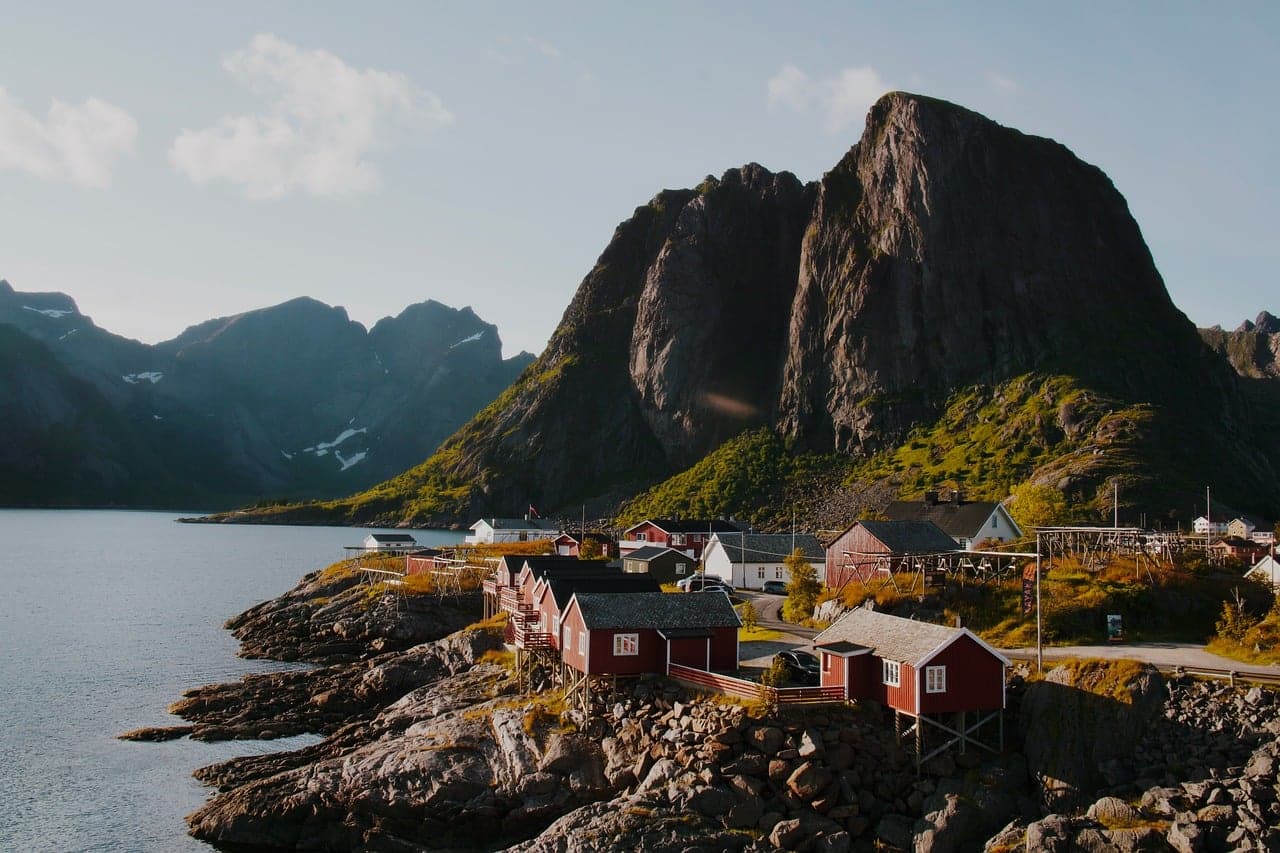
Despite their Arctic location, the islands benefit from relatively mild coastal conditions compared with many other places at similar latitudes. The weather can nevertheless change rapidly, and visitors should be prepared for wind, rain and shifting temperatures.
Stay in a Traditional Fisherman’s Cabin
One of the most distinctive accommodation experiences in Norway is staying in a restored rorbu, a traditional fisherman’s cabin.
Originally used by fishermen during the seasonal cod fisheries, many of these cabins have been transformed into comfortable holiday accommodation. Some sit directly beside the water, with mountain views from the windows and easy access to coastal walks.
The experience offers a particularly appealing blend of history, architecture and natural beauty. Even well-appointed cabins retain a sense of place that is difficult to replicate in a conventional resort.
Beaches, Mountains and Coastal Adventures
Lofoten’s beaches are among its most surprising attractions. Places such as Haukland and Uttakleiv feature pale sand and clear water framed by steep mountains.
Although the water is generally cold, the beaches are ideal for photography, scenic walks and enjoying the extraordinary coastal scenery.
For more active travellers, the islands offer hiking, sea kayaking, fishing trips and wildlife excursions. Some mountain trails are demanding, so visitors should choose routes appropriate to their experience and check local conditions before setting out.
The midnight sun creates especially memorable conditions in early summer. Long evenings allow travellers to explore the coastline well beyond conventional sightseeing hours, while the low-angled light creates beautiful opportunities for photography.
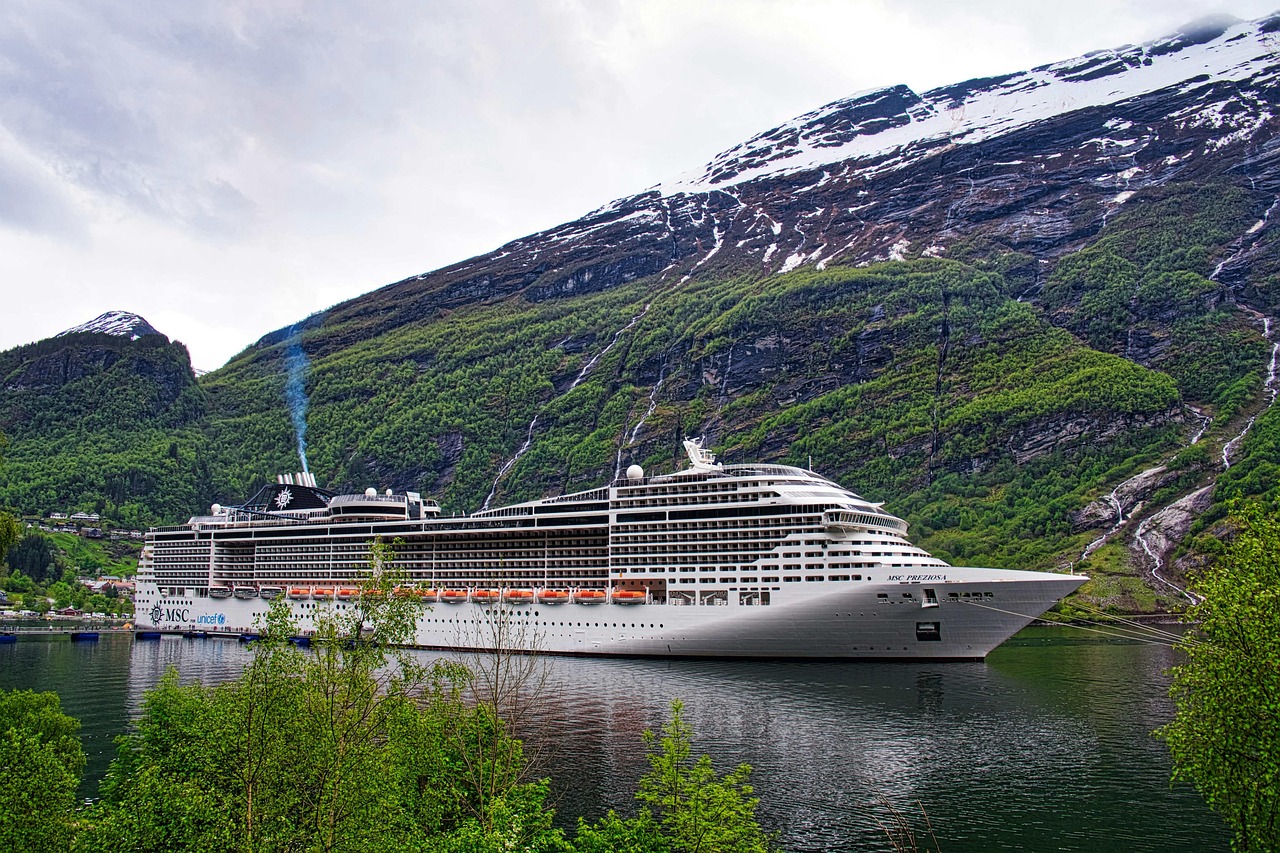
Lofoten is a destination for people who appreciate scenery, tranquillity and authentic experiences. It rewards travellers who spend several days exploring rather than attempting to see everything in a single excursion.
The Midnight Sun: When the Sun Refuses to Set
Norway’s northern location creates one of its most unusual seasonal experiences: the midnight sun.
In areas north of the Arctic Circle, the Sun remains above the horizon for an extended period during summer. The precise dates depend on latitude, with the phenomenon lasting much longer in the far north than in places closer to the Arctic Circle.
For visitors, the effect is remarkable. Landscapes remain illuminated late into the night, creating opportunities for hiking, photography, kayaking and scenic drives at unusual hours.
On the Lofoten Islands, the midnight sun gives the mountains and beaches a soft golden glow. In North Cape, one of mainland Europe’s northernmost tourist destinations, travellers can stand above the Arctic Ocean and watch the Sun hover over the horizon without disappearing.
The experience changes the rhythm of a holiday. Rather than planning every activity around sunset, visitors can enjoy long, light-filled evenings and explore at their own pace.
The midnight sun is also a useful reminder that Norway is a destination of dramatic seasonal contrasts. The same regions that enjoy almost continuous daylight in summer can experience very short days during winter.
Bergen: Colourful Streets and Gateway to the Fjords
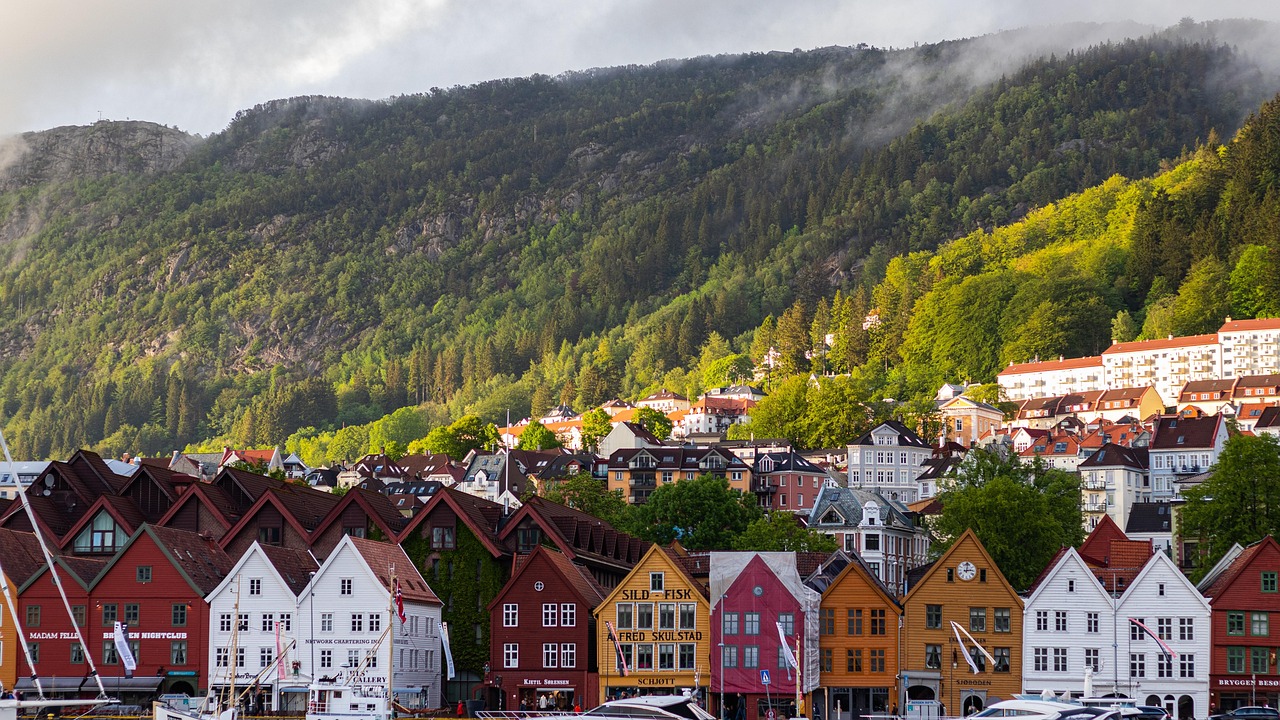
Bergen is one of Norway’s most atmospheric cities. Surrounded by mountains and located beside the sea, it combines historic architecture with a lively cultural scene and easy access to some of the country’s most famous natural landscapes.
The historic Bryggen waterfront, with its colourful wooden buildings, reflects the city’s importance as a trading centre. Today, the area contains galleries, small shops and restaurants within a distinctive architectural setting.
Visitors can ride the Fløibanen funicular towards Mount Fløyen for panoramic views of the city, surrounding islands and nearby mountains. Walking trails begin close to the viewpoint, making it easy to combine sightseeing with time outdoors.
Bergen is also an excellent base for exploring western Norway. Fjord cruises, mountain excursions and scenic rail journeys can be incorporated into a longer itinerary.
The city’s maritime heritage is reflected in its food culture. Fresh seafood is central to the local dining scene, and a visit to the harbour area offers a taste of the region’s close relationship with the sea.
Rain is a regular feature of Bergen’s climate, so waterproof clothing is advisable. Yet the changing weather often adds atmosphere to the surrounding mountains and waterfront.
For many travellers, Bergen offers an ideal balance between city comfort and spectacular nature.
The Flåm Railway: One of Europe’s Most Scenic Train Journeys
Norway is famous for its scenic railways, and the Flåm Railway is one of the most celebrated.
The route travels between Flåm, beside Aurlandsfjord, and the mountain station at Myrdal. Along the way, the train passes steep valley walls, waterfalls, mountain farms and dramatic changes in elevation.
The journey offers a particularly convenient way to experience Norway’s landscape without needing to drive or undertake a strenuous hike.
One of the highlights is Kjosfossen waterfall, where the train makes a stop during suitable operating conditions. The surrounding scenery demonstrates the immense power of water in shaping the Norwegian landscape.
The Flåm Railway can be combined with other forms of travel, including the Bergen Railway and a fjord cruise. Together, these experiences create an itinerary that reveals several different sides of western Norway.
For luxury travellers, the appeal lies in enjoying extraordinary scenery at a relaxed pace. A journey by rail allows visitors to appreciate the landscape while remaining comfortable, making it an excellent option for couples, families and travellers who prefer a less physically demanding holiday.
Svalbard: An Arctic Wilderness at the Edge of the World
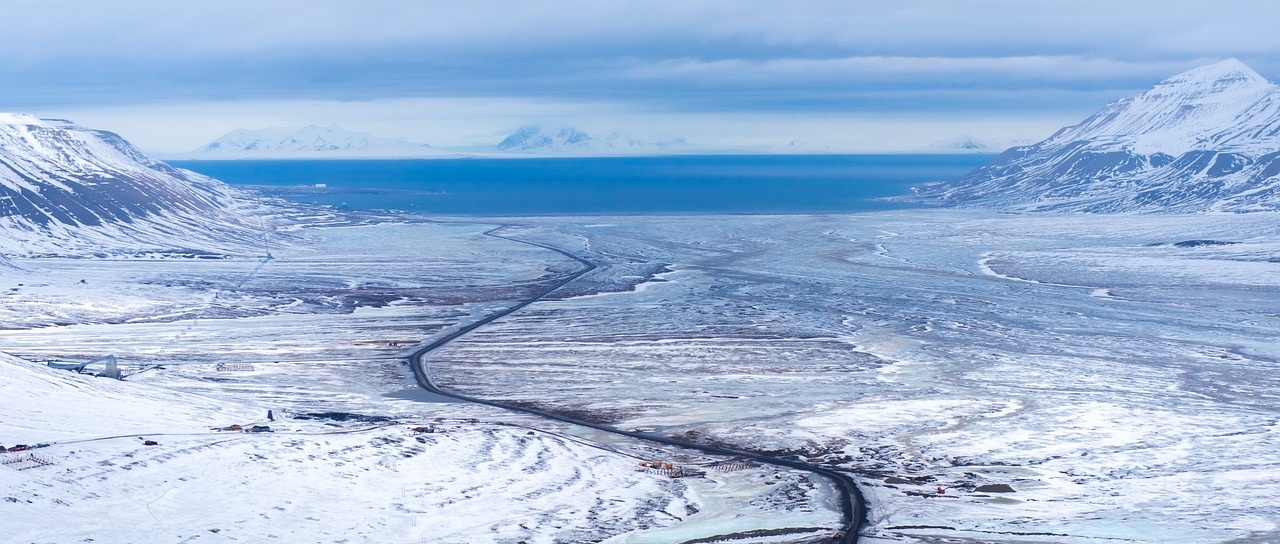
For travellers seeking a genuinely remote destination, Svalbard offers an experience unlike almost anywhere else in Europe.
This Arctic archipelago lies between mainland Norway and the North Pole. Its landscape is dominated by glaciers, rugged mountains, vast stretches of tundra and an extensive coastline shaped by ice.
Longyearbyen, the main settlement, serves as the starting point for many guided excursions. Despite its remote location, it has hotels, restaurants, museums and a small but international community.
Svalbard’s appeal is its sense of scale and isolation. The surrounding landscape can feel immense, with wide valleys and distant mountain ranges creating an extraordinary sense of space.
Depending on the season, visitors may join guided snowmobile excursions, boat trips, glacier experiences or wildlife-focused expeditions. During the darker months, the polar night creates unusual atmospheric conditions, while summer brings continuous daylight.
Polar bears inhabit the region, but they are wild animals that require respect and appropriate safety precautions. Visitors should never attempt to approach them independently and should follow the advice of qualified local guides.
Svalbard is also a place where environmental conditions matter. Weather can change rapidly, access to certain areas may be restricted, and activities should be planned with experienced operators.
For the right traveller, a stay in Svalbard can be one of the most extraordinary experiences available in the Norwegian travel landscape: remote, elemental and profoundly different from a conventional European holiday.
The North Cape: Standing at the Edge of Europe
The North Cape, known in Norwegian as Nordkapp, is one of Norway’s most iconic travel destinations.
Located on the island of Magerøya in the far north, the famous plateau rises above the Barents Sea and provides an immense view across the Arctic waters.
For many visitors, reaching North Cape is as much about the journey as the destination. The drive passes through remote northern landscapes, with sparse settlements, open tundra and a sense of distance rarely experienced elsewhere in Europe.
During summer, the midnight sun provides the opportunity to visit late in the evening. In other seasons, the atmosphere can be stark and dramatic, with changing light and weather creating a different experience.
North Cape is accessible by road, although winter conditions can affect travel and may require organised transport. It is worth checking seasonal access arrangements before planning a visit.
The site is also a reminder that Norway’s geography extends far beyond its southern cities and famous fjords. The far north has its own identity, shaped by Arctic conditions, fishing traditions and the close relationship between communities and the sea.
Norway’s Waterfalls, Mountains and National Parks
Beyond the famous fjords and Arctic destinations, Norway contains a remarkable variety of landscapes that deserve a place on a well-planned itinerary.
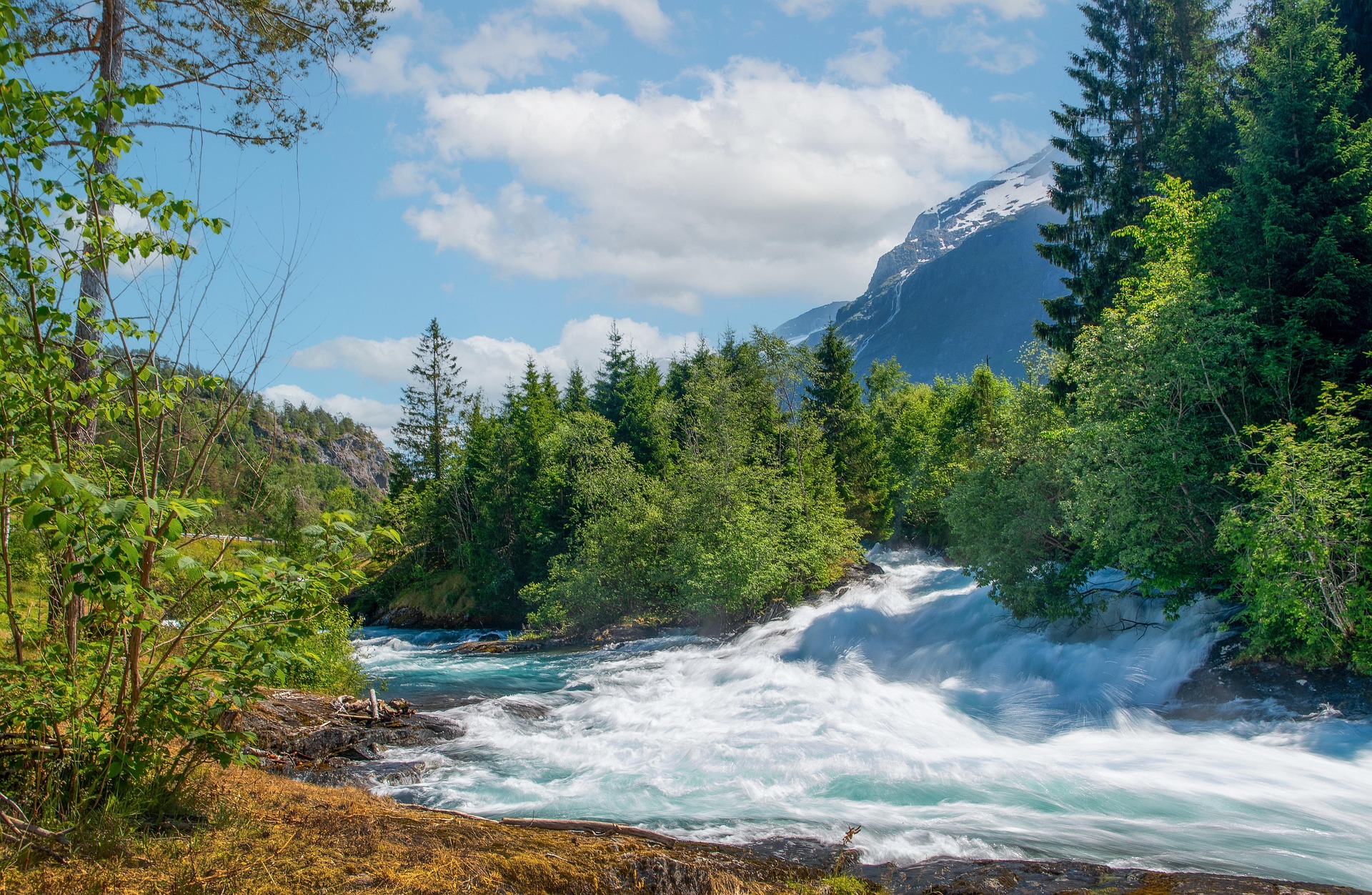
Waterfalls are among the country’s most striking natural features. Vøringsfossen, in western Norway, plunges into a dramatic canyon and can be viewed from designated viewpoints and walking routes. Låtefossen, with its twin streams and roadside setting, is another memorable stop in the Hardanger region.
The mountains offer equally varied experiences. Jotunheimen National Park is known for its high peaks, glaciers and extensive hiking routes. It is particularly attractive to travellers who want to spend several days exploring mountain scenery.
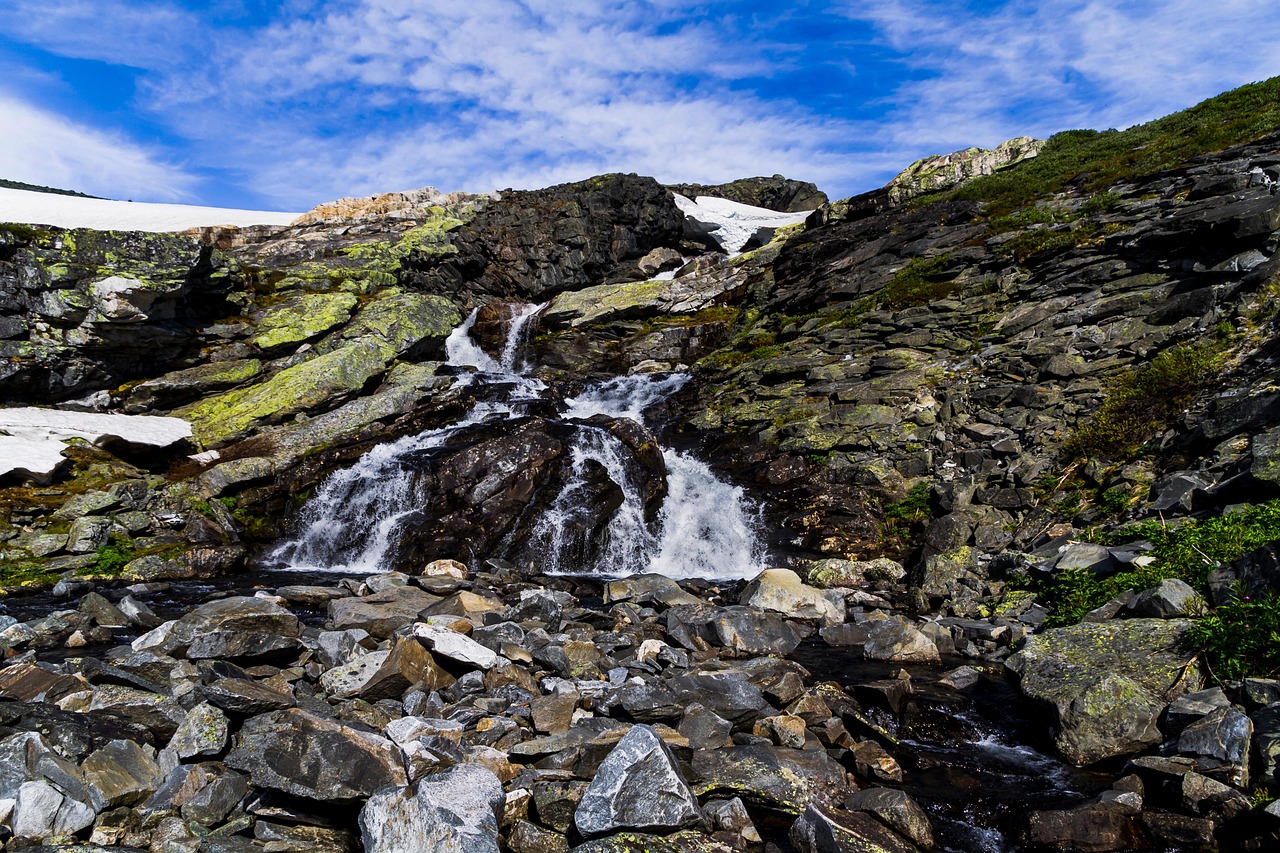
For experienced hikers, the Besseggen ridge is one of Norway’s best-known mountain routes, with sweeping views of contrasting lakes and surrounding peaks. The hike is demanding and requires appropriate footwear, preparation and attention to weather conditions.
Other visitors may prefer easier walks, guided excursions or scenic drives that reveal the landscape without requiring a full day of strenuous activity.
Norway’s national parks protect some of its most important natural environments. They offer opportunities to encounter mountain wildlife, observe changing ecosystems and experience the quiet that makes the country’s wilderness so distinctive.
Travellers should remember that conditions in the mountains can change quickly, even in summer. Planning, suitable clothing and respect for local advice are essential parts of a safe outdoor experience.
Wildlife Encounters: From Whales to Reindeer
Norway’s varied environments support an impressive range of wildlife, and guided excursions can provide opportunities to observe animals in their natural surroundings.
Whale watching is a major attraction in parts of northern Norway. Depending on the season and location, visitors may encounter orcas, humpback whales and other marine species. Sightings are never guaranteed, so it is worth choosing a reputable operator that respects wildlife and follows responsible viewing practices.
Reindeer are another important part of the northern landscape. In some regions, visitors can learn about reindeer herding and Sámi traditions through locally organised cultural experiences.
The Sámi are the Indigenous people of northern Norway and neighbouring parts of northern Europe. Their history, languages and cultural practices form an important part of the region’s identity. Visitors should seek experiences led by Sámi hosts that present their culture respectfully and avoid treating living traditions as mere entertainment.
Norway also offers opportunities to observe seabirds, sea eagles and other wildlife along the coast. Boat excursions around remote islands can reveal an entirely different dimension of the country’s natural environment.
The most rewarding wildlife experiences are those that combine observation with learning. A knowledgeable local guide can explain animal behaviour, seasonal patterns and the ecological importance of the surrounding landscape.
Norwegian Cuisine: A Taste of the Sea and the Mountains
Food is an important part of discovering Norway, particularly for travellers interested in regional ingredients and contemporary Nordic cooking.
The country’s long coastline has shaped its culinary traditions. Fish and seafood remain central to Norwegian cuisine, with salmon, cod, prawns, mussels and king crab among the ingredients visitors may encounter.
In the north, stockfish and other traditional methods of preserving fish reflect a long history of adapting to seasonal conditions. On the western coast, seafood often features prominently in restaurant menus.
Inland regions have their own traditions, including lamb, game, mountain produce and cheeses. Cloudberries and other wild berries add a distinctly Nordic element to seasonal desserts.
Norway’s modern food scene has developed around a strong emphasis on ingredients, seasonality and provenance. In larger cities and popular destinations, visitors can find restaurants that reinterpret traditional dishes through contemporary techniques.
For a memorable culinary experience, consider combining fine dining in Oslo or Bergen with a meal at a small coastal restaurant or a countryside hotel. The contrast between sophisticated urban cooking and local regional food can be one of the pleasures of travelling through Norway.
Food experiences also provide an opportunity to understand the country beyond its scenery. They reveal how climate, geography and local traditions influence everyday life.
Luxury Accommodation in the Norwegian Wilderness
Luxury in Norway often takes a different form from the traditional resort experience.
Rather than concentrating on grand buildings and elaborate surroundings, many distinctive Norwegian stays focus on privacy, design, location and a close connection to nature.
A fjordside hotel with panoramic windows can offer views that change throughout the day, from misty mornings to the warm light of the evening. A restored fishing cabin in Lofoten combines local history with contemporary comfort. In the Arctic, glass-roofed accommodation provides the possibility of watching the night sky from a warm and sheltered setting.
Mountain lodges and countryside retreats offer another type of luxury. They provide space to disconnect from everyday routines, enjoy local food and explore the surrounding landscape at a manageable pace.
Wellness experiences are also an appealing part of a Norwegian holiday. Saunas, outdoor hot tubs and cold-water swimming reflect a wider Nordic tradition of enjoying the contrast between warmth and the natural environment.
For travellers seeking privacy, a thoughtfully chosen property can become the centrepiece of a trip. The best accommodation is often one that makes the landscape part of the experience rather than simply providing a place to sleep.
Norway is particularly well suited to combining several different styles of stay. A journey might begin with a design-focused hotel in Oslo, continue with a refined fjordside retreat and finish in a secluded Arctic lodge.
Road Trips: Discover Norway at Your Own Pace
One of the best ways to experience Norway is by road. Scenic routes connect coastal communities, mountain passes, fjords and remote viewpoints, allowing travellers to explore the country beyond its main urban centres.
Norway’s designated National Tourist Routes are especially appealing. These routes combine exceptional landscapes with viewpoints, rest areas and architectural installations designed to complement their surroundings.
The Atlantic Ocean Road is one of the most famous examples. Its bridges and sweeping curves connect small islands along a rugged stretch of coast, creating a memorable drive above the sea.
In western Norway, the winding roads around Geirangerfjord and Trollstigen are renowned for their mountain scenery, although Trollstigen’s seasonal opening and access conditions should always be checked before travelling.
A road trip also offers flexibility. Travellers can stop at small villages, take spontaneous walks and spend additional time in places that capture their imagination.
However, distances in Norway can be deceptive. Mountain roads, ferries and winding coastal routes can make journeys longer than expected. A carefully planned itinerary with realistic driving times is usually more enjoyable than trying to cover too much ground.
For a luxury road trip, consider choosing a few regions and spending several nights in each. This allows time to enjoy scenic routes, local restaurants and outdoor activities without constantly packing and unpacking.
When Is the Best Time to Visit Norway?
Norway is a year-round destination, but the experience varies considerably by season. Choosing the right time depends on the landscapes and activities that matter most to each traveller.
Summer: Fjords, Hiking and the Midnight Sun
Summer, particularly June through August, is the most popular season for many visitors. The days are long, the countryside becomes greener, and hiking, kayaking and scenic road trips are widely available.
In northern Norway, the midnight sun creates extraordinary opportunities to explore late into the evening. The fjords and coastal regions are especially appealing during this period, although popular destinations can be busy.
Autumn: Colourful Landscapes and a Quieter Atmosphere
Autumn brings changing foliage, crisp air and a more subdued atmosphere. Mountain landscapes can take on rich shades of gold and red, while some destinations become quieter after the main summer season.
In northern Norway, the return of darker nights also brings opportunities to see the northern lights, although weather and solar activity remain unpredictable.
Winter: Snow, Northern Lights and Arctic Adventures
Winter is the season for snow-covered landscapes, skiing, dog sledding and many Arctic experiences. Northern Norway is particularly popular among travellers hoping to see the aurora borealis.
Days can be very short in the far north, and some roads and activities are affected by snow and ice. Visitors should plan carefully and allow flexibility for weather-related changes.
Spring: Waterfalls and the Return of Light
Spring offers a transition between winter and summer. Snowmelt can make waterfalls especially impressive, while the days become progressively longer.
Conditions vary considerably between southern and northern Norway, and mountain areas may remain snowy well into the season. For travellers who prefer quieter destinations, spring can offer an appealing alternative to the peak summer months.
How to Plan an Unforgettable Norwegian Holiday
Norway is a large country, and its most memorable destinations are spread across different regions. A successful itinerary should focus on a few experiences rather than attempting to see everything in one trip.
For a first visit, Oslo and western Norway provide a strong introduction. A few days in the capital can be followed by a scenic train journey, a stay in Flåm or the Sognefjord region, and time in Bergen.
Travellers with more time can extend the journey to the Lofoten Islands or Tromsø. These northern destinations offer a different atmosphere, with dramatic coastal landscapes, Arctic wildlife and seasonal experiences such as the northern lights or midnight sun.
Svalbard is best treated as a dedicated Arctic extension, with careful attention to flights, seasonal conditions and guided activities.
The most suitable transport depends on the itinerary. Trains and boats can make western Norway particularly enjoyable without a car, while a rental car offers flexibility in less connected regions. Domestic flights can help reduce travel time when combining distant destinations.
It is also important to consider the season when booking accommodation and activities. Popular fjord destinations and northern lights excursions can fill up well in advance, especially during peak periods.
Norway can be expensive compared with many European destinations, so advance planning helps travellers make the most of their budget. However, the country’s most rewarding experiences are not always the most expensive. A quiet mountain walk, a scenic ferry crossing or an evening beside a fjord can be just as memorable as a premium excursion.
Norway: A Destination That Stays with You
Norway offers something increasingly valuable in modern travel: the opportunity to experience nature on a grand scale without giving up comfort, culture or convenience.
Its fjords reveal the immense power of glaciers and water. Its Arctic regions provide the possibility of witnessing the northern lights or experiencing the midnight sun. Its cities combine contemporary Scandinavian design with an easy connection to the outdoors, while its small coastal communities preserve traditions shaped by the sea.
For luxury travellers, Norway’s greatest appeal may be the variety of experiences available within a single country. One journey can include an elegant city hotel, a scenic railway, a private fjord excursion, a traditional fishing cabin and a secluded Arctic retreat.
Yet the moments that remain in the memory are often surprisingly simple: watching clouds move across a mountain range, hearing a waterfall in the distance, walking along a deserted beach beneath the midnight sun or looking up at a dark Arctic sky in anticipation of the aurora.
Norway is not merely a destination to visit. It is a landscape to experience, a culture to discover and a place that invites travellers to slow down and appreciate the extraordinary world around them.
For anyone seeking a holiday defined by natural beauty, authentic experiences and understated luxury, Norway deserves a place among the world’s most remarkable travel destinations.