Sweden: A Unique and Exotic Holiday Destination Where Nature, Culture and Scandinavian Luxury Come Together
Discover Sweden, a captivating Scandinavian destination where pristine wilderness, enchanting islands, sophisticated cities and timeless traditions create unforgettable holiday experiences. From the elegant streets of Stockholm to the magical landscapes of Swedish Lapland, this remarkable country offers a rare combination of natural beauty, cultural richness and understated luxury.
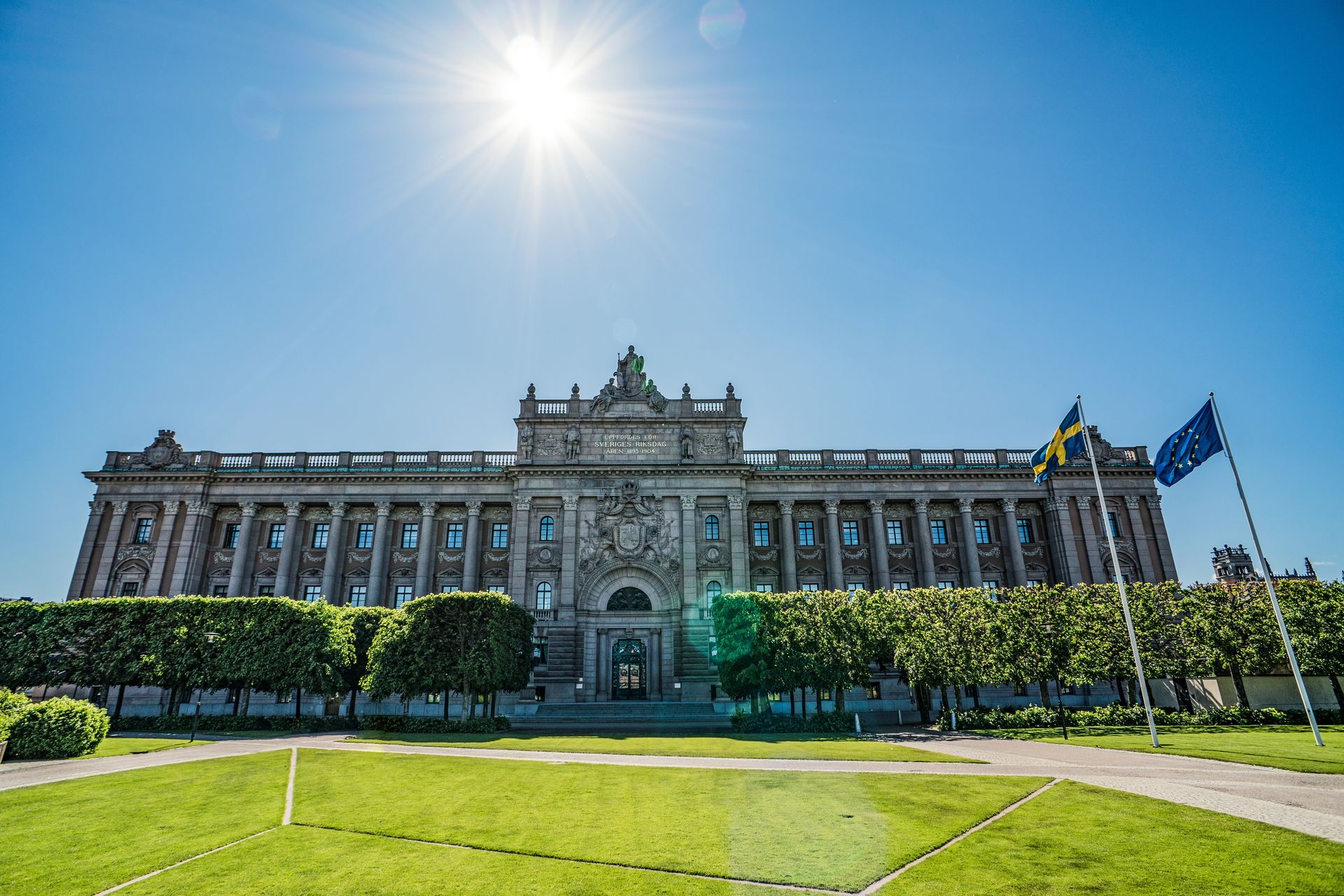
Sweden is a country of extraordinary contrasts. Vast forests stretch towards the Arctic Circle, thousands of lakes shimmer beneath endless summer skies, and picturesque coastal villages offer a glimpse into a slower, more traditional way of life. At the same time, Sweden’s cities are celebrated for their innovative architecture, world-class restaurants, contemporary design and vibrant cultural scenes.
For international travellers seeking something beyond the ordinary, Sweden offers an appealing alternative to more crowded European destinations. Here, a luxury holiday can mean waking up in a secluded lakeside villa, sailing through an island archipelago, dining at an exceptional Nordic restaurant or watching the Northern Lights dance across a winter sky.
Whether you dream of a romantic city break, an adventurous wilderness escape, a family holiday or an exclusive Scandinavian retreat, Sweden offers experiences to suit every style of travel.
Stockholm: A Sophisticated Capital Surrounded by Water
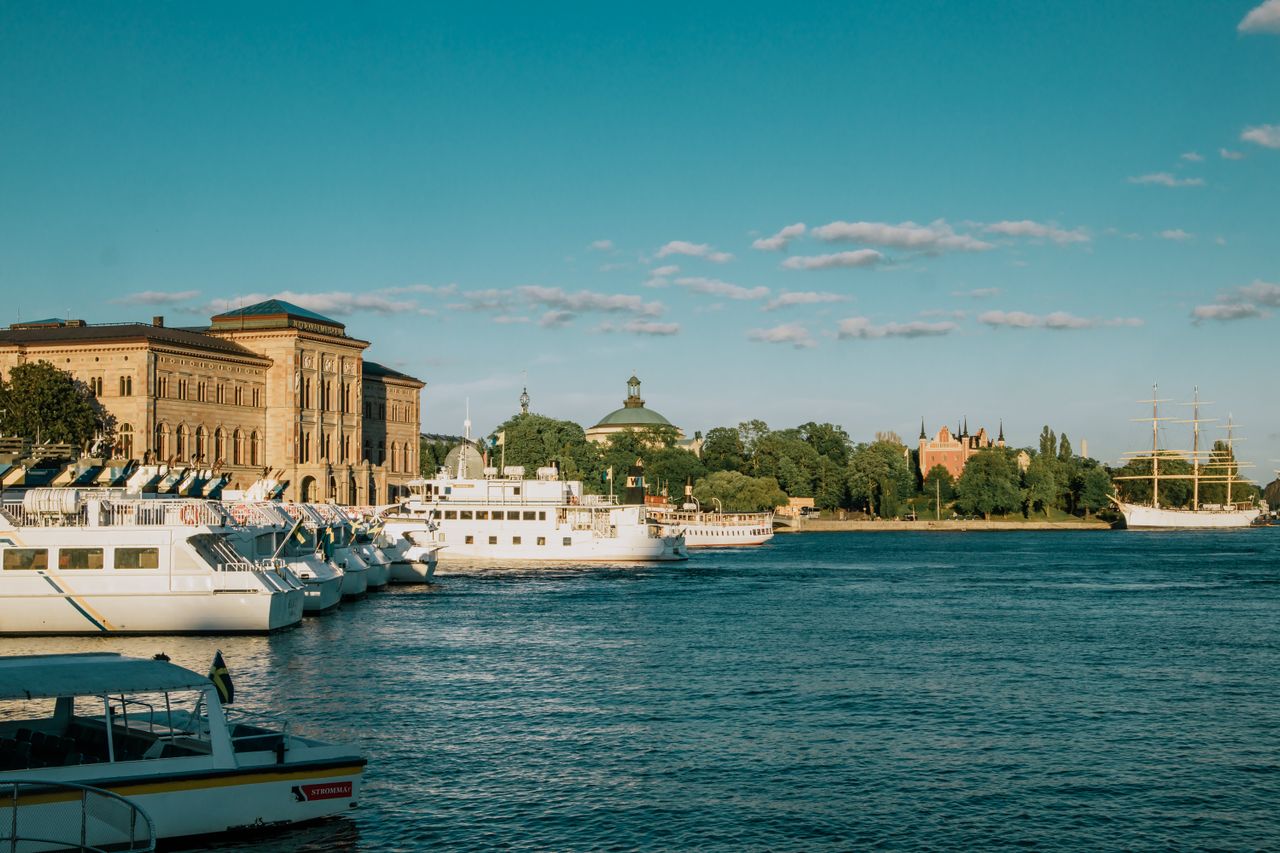
Stockholm is one of Europe’s most distinctive capital cities, combining historic charm, contemporary elegance and an extraordinary natural setting. Built across numerous islands where Lake Mälaren meets the Baltic Sea, the city offers a unique atmosphere in which urban life and nature exist in remarkable harmony.
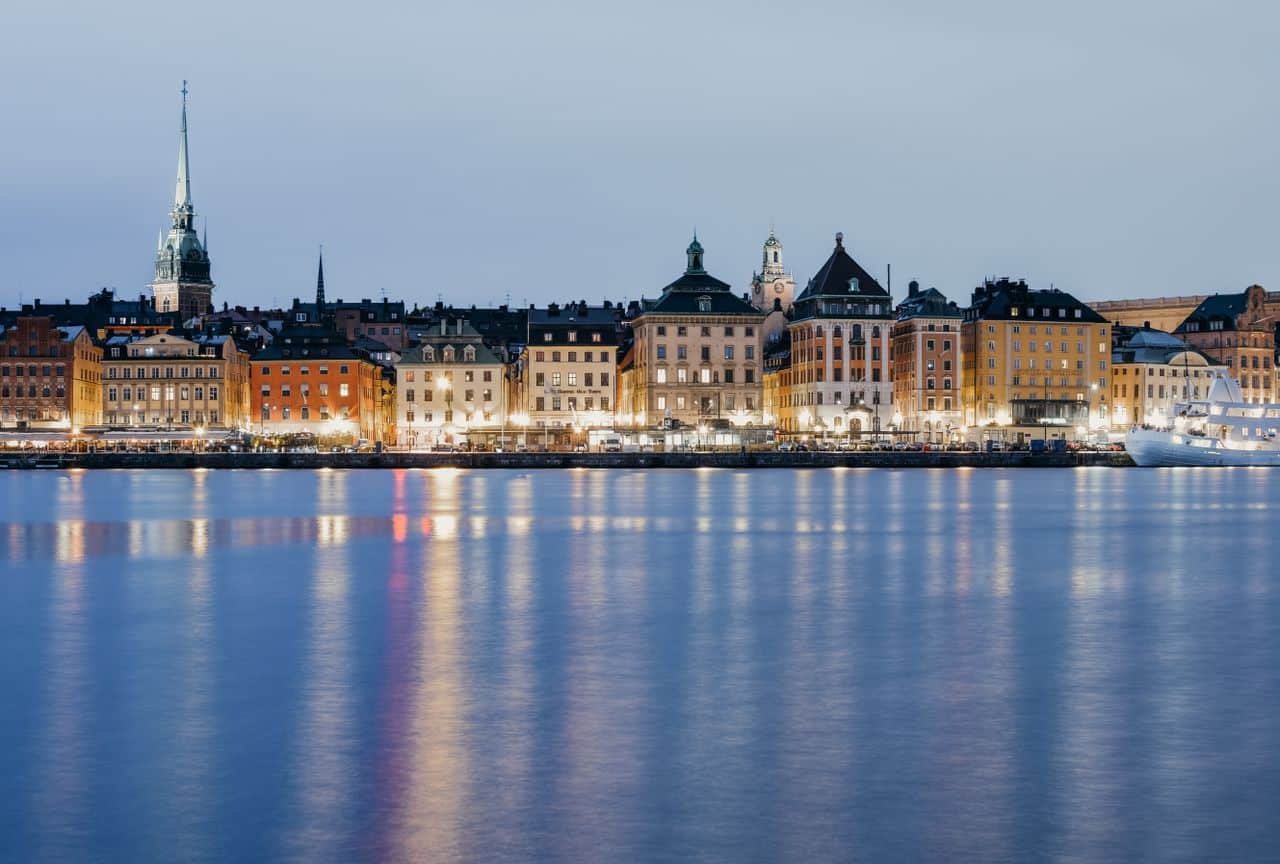
The Swedish capital is an ideal starting point for discovering the country’s culture, cuisine and design heritage. Its attractive waterfronts, elegant boulevards, green parks and historic districts invite visitors to explore at a relaxed pace.
Gamla Stan, Stockholm’s old town, is among the city’s most enchanting areas. Its narrow cobblestone streets, colourful historic buildings and charming squares create a setting that feels almost medieval. Visitors can explore the Royal Palace, discover small independent shops and enjoy traditional Swedish cafés tucked between centuries-old façades.
Stockholm also has a sophisticated contemporary side. The city’s museums, galleries and architectural landmarks reflect Sweden’s longstanding commitment to creativity and innovation. Art lovers can explore collections spanning classical masterpieces and modern expression, while design enthusiasts will appreciate the clean lines, natural materials and thoughtful aesthetics found throughout the city.
For a memorable luxury experience, consider a private boat excursion through the surrounding waterways, a stay in a prestigious waterfront hotel or an evening of fine dining overlooking the harbour.
Stockholm is also an excellent destination for travellers who enjoy shopping, with Scandinavian fashion, jewellery, interior design and independent boutiques offering a distinctive alternative to Europe’s traditional luxury shopping capitals.
The Stockholm Archipelago: An Island Escape Like No Other
One of Sweden’s greatest natural treasures lies just beyond Stockholm’s city centre. The Stockholm Archipelago consists of approximately 30,000 islands, islets and rocky outcrops, creating an extraordinary maritime landscape that stretches east into the Baltic Sea.
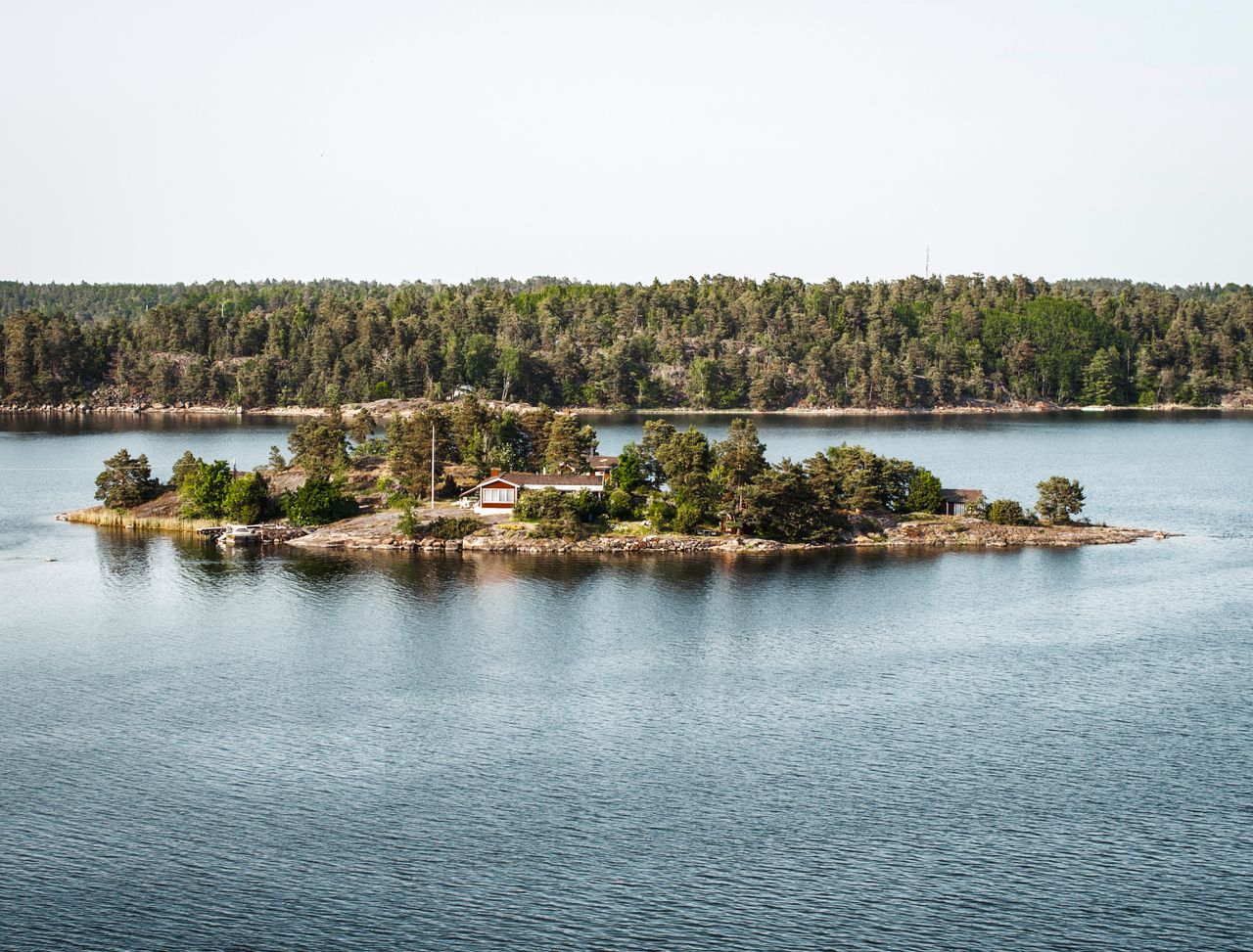
Some islands are lively summer destinations with restaurants, guesthouses and small harbours. Others offer little more than forests, smooth granite rocks and secluded swimming spots.
This remarkable variety makes the archipelago ideal for travellers seeking a more personal and peaceful experience of Sweden.
During summer, visitors can explore the islands by ferry, private yacht or kayak. Long daylight hours provide ample time to discover quiet beaches, enjoy seafood lunches by the water and watch the sun descend over the Baltic Sea.
For a more exclusive escape, consider renting a private island retreat or staying in a beautifully designed coastal villa. Many traditional Swedish summer houses combine simple architecture with comfortable interiors, generous terraces and direct access to the water.
The archipelago is particularly appealing to couples and families who want to combine outdoor activities with relaxation. Swimming, sailing, fishing and coastal walks are all part of the experience.
Despite its proximity to a major European capital, the Stockholm Archipelago can feel wonderfully remote. It is a place where the rhythm of the day is dictated by the weather, the water and the changing light.
Swedish Lapland: Arctic Wilderness and Extraordinary Winter Experiences
In northern Sweden, the landscape changes dramatically. Dense forests, frozen rivers, snow-covered mountains and vast Arctic wilderness create a destination that feels far removed from everyday life.
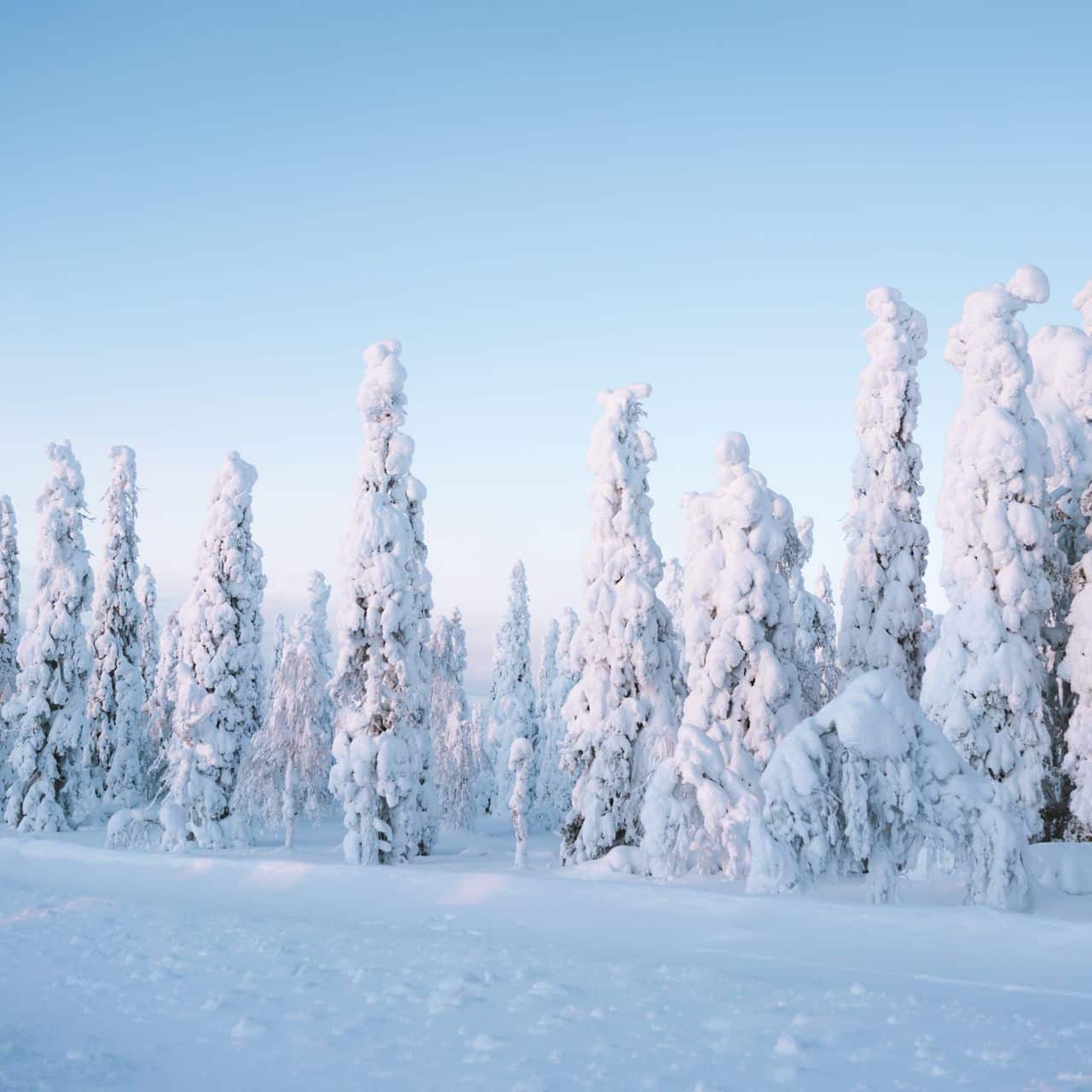
Swedish Lapland is one of Europe’s most compelling destinations for travellers seeking adventure, tranquillity and unusual accommodation experiences.
Winter transforms the region into a world of snow and ice. Visitors can travel through the wilderness on a dog-sledding expedition, explore snowy trails on snowshoes or join guided excursions in search of the Northern Lights.
One of the region’s most remarkable experiences is staying at the famous ICEHOTEL in Jukkasjärvi. Recreated using ice and snow, its distinctive rooms and artistic ice sculptures offer an extraordinary perspective on the relationship between architecture, nature and seasonal change.
Travellers looking for a different kind of luxury can choose secluded wilderness lodges, glass-roofed cabins or comfortable Arctic retreats designed to bring the surrounding landscape into view.
Swedish Lapland is also home to Sámi culture, with traditions shaped by generations of life in the Arctic environment. Responsible, locally guided experiences can introduce visitors to Sámi history, handicrafts, food traditions and reindeer herding.
These encounters offer a deeper understanding of the region beyond its spectacular scenery.
Swedish Lapland is particularly rewarding for travellers who value experiences that cannot easily be replicated elsewhere. The combination of Arctic landscapes, distinctive accommodation, cultural encounters and exceptional winter light makes it one of Sweden’s most memorable holiday destinations.
The Northern Lights: One of Nature’s Most Spectacular Displays
For many international visitors, seeing the Northern Lights is a lifelong ambition. Sweden offers excellent opportunities to witness this extraordinary natural phenomenon, particularly in the northernmost parts of the country during the darker months.
The Aurora Borealis appears when charged particles interact with Earth’s atmosphere, creating luminous displays that can range from delicate green ribbons to vivid waves of colour across the night sky.
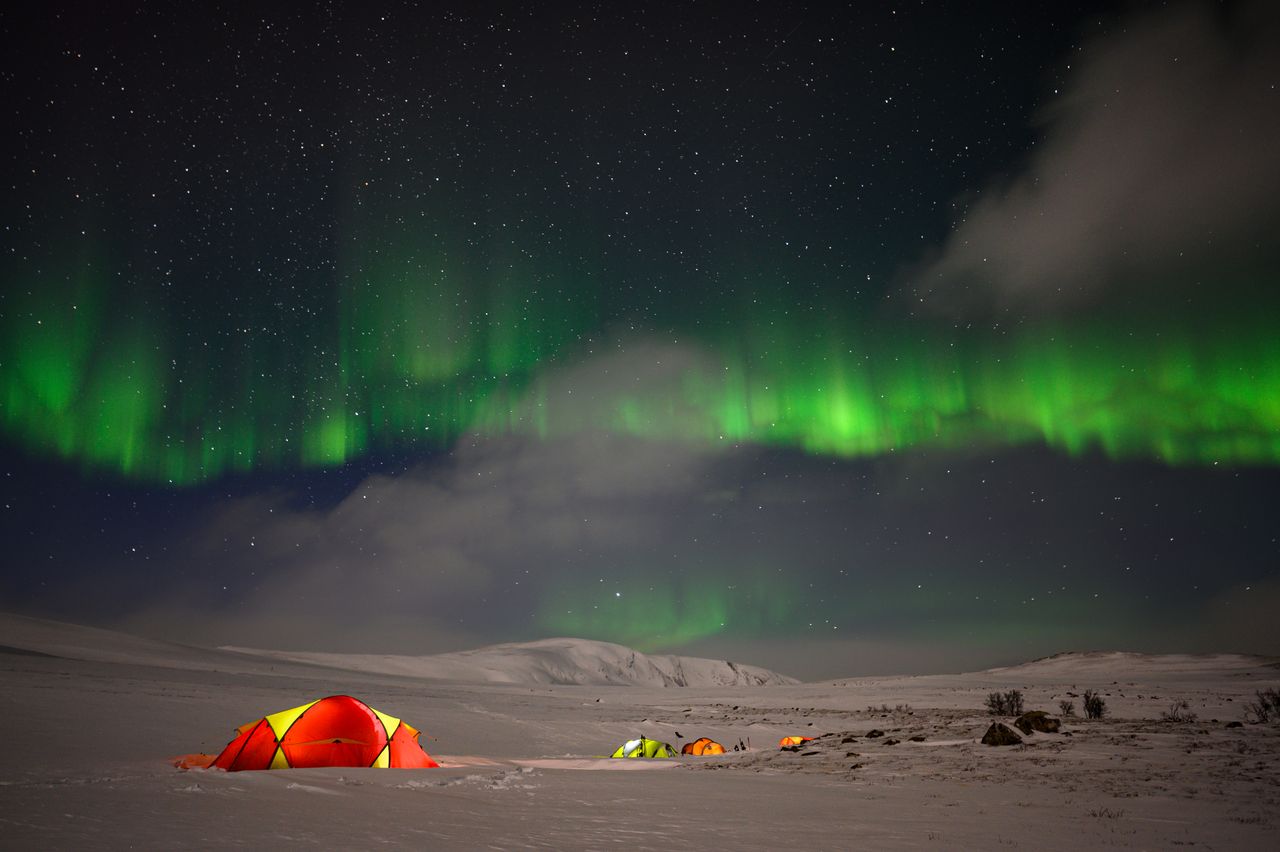
Abisko, in Swedish Lapland, is especially well known among aurora enthusiasts. Its location and local weather patterns can offer favourable viewing conditions, although sightings are never guaranteed.
For the best experience, travellers should consider visiting between autumn and early spring, when the nights are sufficiently dark. Clear skies, solar activity and local conditions all influence the likelihood of seeing the aurora.
A carefully planned Northern Lights holiday can combine guided evening excursions with daytime adventures, including dog sledding, snowmobiling where permitted, winter hiking and visits to traditional Arctic communities.
For a more comfortable and intimate experience, a secluded lodge with panoramic windows or an outdoor viewing area can provide an excellent base for watching the sky.
The Northern Lights are not simply an attraction to tick off a list. When the conditions are right, standing beneath a vast Arctic sky can become one of the most memorable moments of a journey through Scandinavia.
Gothenburg: Coastal Charm, Culture and Exceptional Food
On Sweden’s west coast, Gothenburg offers a different atmosphere from Stockholm. Relaxed, welcoming and closely connected to the sea, the city combines an attractive urban environment with a strong culinary identity and easy access to some of the country’s most beautiful coastal landscapes.
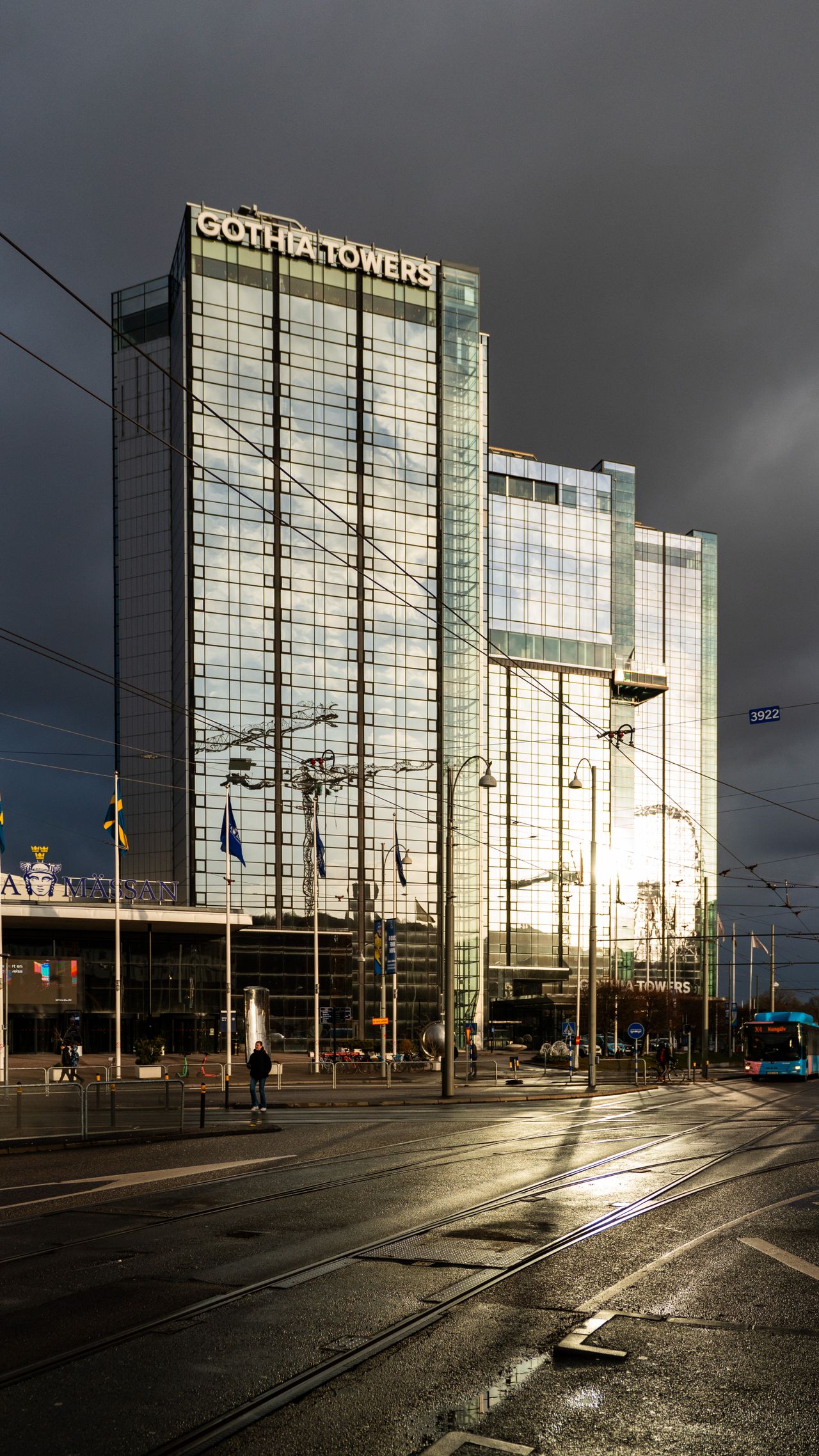
Gothenburg is particularly appealing to travellers who appreciate good food. Its maritime heritage has helped establish a reputation for high-quality seafood, with restaurants serving fresh shellfish, fish and seasonal ingredients from the surrounding region.
Visitors can explore lively neighbourhoods, independent boutiques, cafés and cultural venues before spending an evening enjoying contemporary Nordic cuisine.
The city’s waterfront and historic canals offer opportunities for scenic walks and boat excursions. Its green spaces and compact centre also make it a pleasant destination for a relaxed city break.
One of Gothenburg’s greatest advantages is its proximity to the west coast archipelago. Within a relatively short journey, visitors can leave the city behind and discover fishing villages, rocky shorelines, small islands and peaceful seaside communities.
For travellers seeking a Scandinavian holiday that combines culture, gastronomy and coastal scenery without the intensity of a larger metropolis, Gothenburg is an excellent choice.
The Swedish West Coast: Picturesque Villages and Maritime Elegance
Sweden’s west coast is among the country’s most attractive regions for a summer holiday. Here, the landscape is shaped by the sea, with rocky islands, sheltered harbours, traditional fishing villages and charming coastal towns.
Places such as Smögen, Fjällbacka and the surrounding Bohuslän coastline are particularly appealing to visitors who enjoy beautiful scenery and an unhurried atmosphere.
Colourful wooden houses line the harbours, fishing boats move gently across the water, and seafood restaurants make the most of the region’s maritime traditions.
Summer is the ideal season for exploring this coastline. Visitors can enjoy boat trips, sea kayaking, swimming from granite rocks and leisurely lunches overlooking the harbour.
For a more exclusive experience, a private sailing excursion allows travellers to explore smaller islands and secluded anchorages at their own pace. Boutique hotels, waterfront accommodation and elegant summer houses provide attractive bases for discovering the region.
The west coast is also a wonderful destination for couples seeking a romantic escape. Long evenings, quiet waterfronts and the gentle rhythm of coastal life create an atmosphere that feels both intimate and distinctly Scandinavian.
Unlike some of Europe’s busier seaside destinations, the appeal here is not based on grand resorts or crowded beaches. Instead, it lies in the combination of authentic coastal character, beautiful natural surroundings and understated comfort.
Gotland: Medieval Heritage and Baltic Island Life
Located in the Baltic Sea, Gotland offers a distinctive blend of history, beaches, rural landscapes and island culture.
The island’s main town, Visby, is one of Sweden’s most atmospheric historic destinations. Its medieval city walls, cobbled lanes, old churches and preserved buildings create a setting that reflects Gotland’s important role in Baltic trade during the Middle Ages.
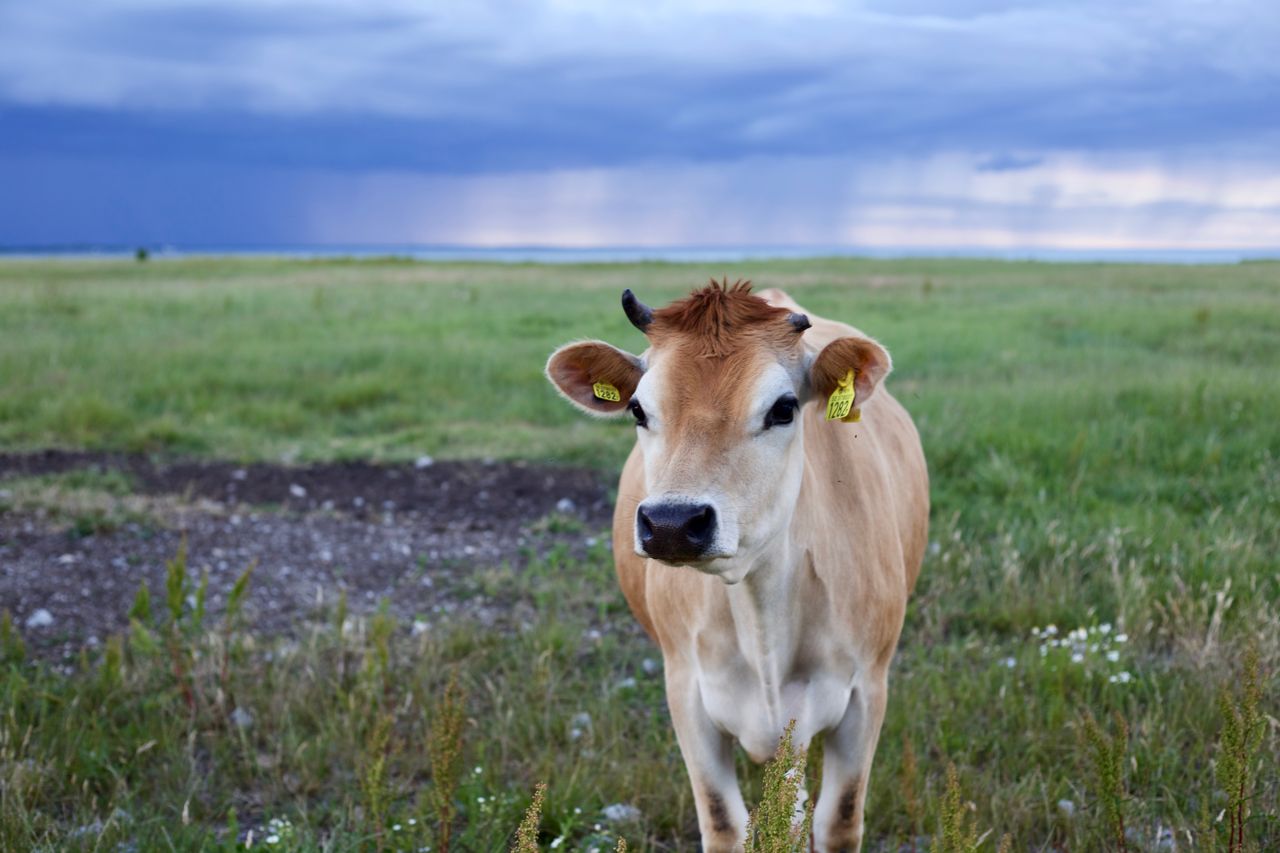
The historic town is a UNESCO World Heritage Site, making it particularly interesting for visitors who appreciate architecture and cultural heritage.
Beyond Visby, Gotland reveals a quieter side. Rolling countryside, traditional farmhouses, sandy beaches and dramatic limestone formations known as raukar create a landscape that differs from the forests and lakes commonly associated with Sweden.
The neighbouring island of Fårö is especially famous for its unusual coastal rock formations and open landscapes. It also has a strong connection to the filmmaker Ingmar Bergman, who found inspiration in the island’s distinctive scenery.
During summer, Gotland becomes a popular destination for cycling, swimming, local food and exploring small villages. Visitors can discover artisan producers, independent galleries and seasonal restaurants that showcase the island’s character.
For travellers seeking a cultural island holiday with a strong sense of place, Gotland offers a rewarding alternative to more conventional European island destinations.
Swedish Lakes and Forests: A Retreat into Nature
Sweden’s appeal extends far beyond its coastline and cities. Much of the country is covered by forests, and thousands of lakes provide opportunities for outdoor recreation, peaceful retreats and encounters with nature.
The lake districts of central and southern Sweden are particularly attractive to visitors seeking privacy and relaxation. Here, traditional red cottages, wooden jetties and forest-lined shores create the quintessential Swedish summer setting.
Lake Vänern, the largest lake in the European Union by surface area, offers an impressive variety of landscapes and activities. Visitors can explore its islands, discover historic sites, enjoy fishing or simply relax beside the water.
Further inland, regions such as Dalarna are celebrated for their cultural traditions, distinctive red-painted wooden houses, folk art and beautiful rural scenery.
A luxury stay in the Swedish countryside can take many forms. Travellers might choose a private lakeside villa, a contemporary architectural retreat surrounded by forest or a boutique country hotel offering locally inspired cuisine.
Days can be spent hiking, cycling, canoeing or swimming, while evenings are devoted to long dinners, outdoor saunas and the peaceful atmosphere of the surrounding wilderness.
Sweden’s concept of outdoor living is deeply rooted in its culture. The freedom to explore nature responsibly is an important part of the country’s identity, and visitors can experience this tradition in many different ways.
For travellers who want to disconnect from busy schedules and reconnect with their surroundings, the Swedish countryside offers a compelling form of luxury: space, simplicity and time.
The Swedish Mountains: Adventure in Every Season
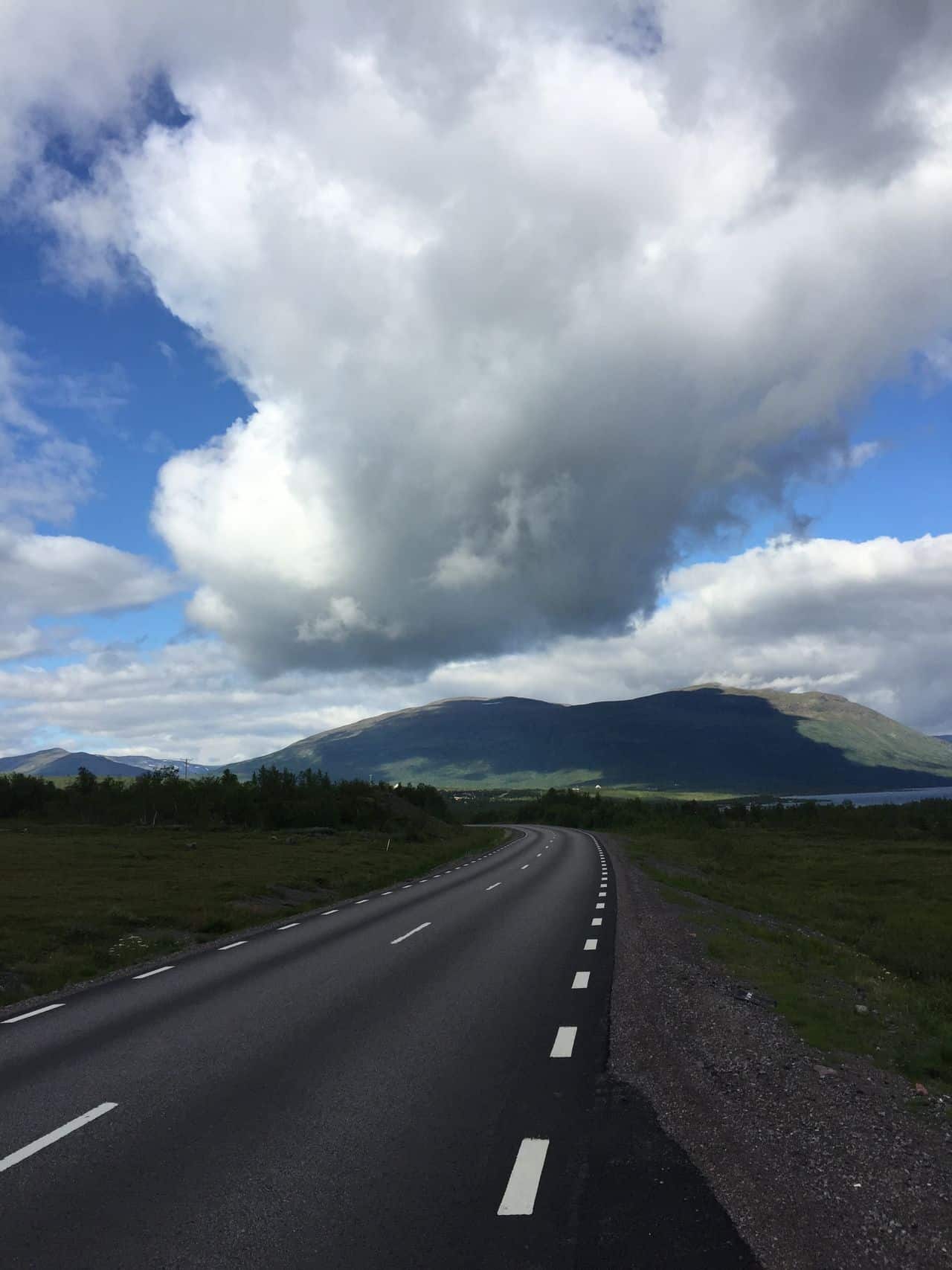
Although Sweden is often associated with forests, lakes and coastal islands, its mountainous regions offer another dimension to the country’s natural beauty.
In the northwest, the Scandinavian Mountains extend along the Norwegian border, creating a landscape of peaks, valleys, rivers and expansive wilderness.
Åre is one of Sweden’s best-known mountain destinations. During winter, it attracts skiers and snowboarders with its established resort facilities, mountain scenery and welcoming village atmosphere.
The region also offers opportunities for snowshoeing, winter walks and other cold-weather activities.
When the snow melts, the mountains become a destination for hiking, cycling, fishing and exploring alpine landscapes. Summer brings long daylight hours, while autumn can transform the surrounding forests into a tapestry of golden and red foliage.
Further north, areas such as Abisko National Park appeal to travellers interested in remote landscapes and challenging outdoor adventures. Marked trails, mountain views and opportunities to learn about Arctic ecosystems make the region especially attractive to nature enthusiasts.
For visitors seeking comfort alongside adventure, Sweden’s mountain destinations offer hotels, lodges and wellness facilities that provide a welcome retreat after a day outdoors.
The mountains are an excellent choice for travellers who want an active holiday without sacrificing the pleasure of comfortable accommodation and good food.
Malmö: Contemporary Sweden at the Gateway to Europe
In southern Sweden, Malmö offers a modern and multicultural urban experience with a distinctive architectural character.
Connected to Copenhagen by the Öresund Bridge, the city is well positioned for travellers who want to explore more than one Scandinavian destination during a single trip.
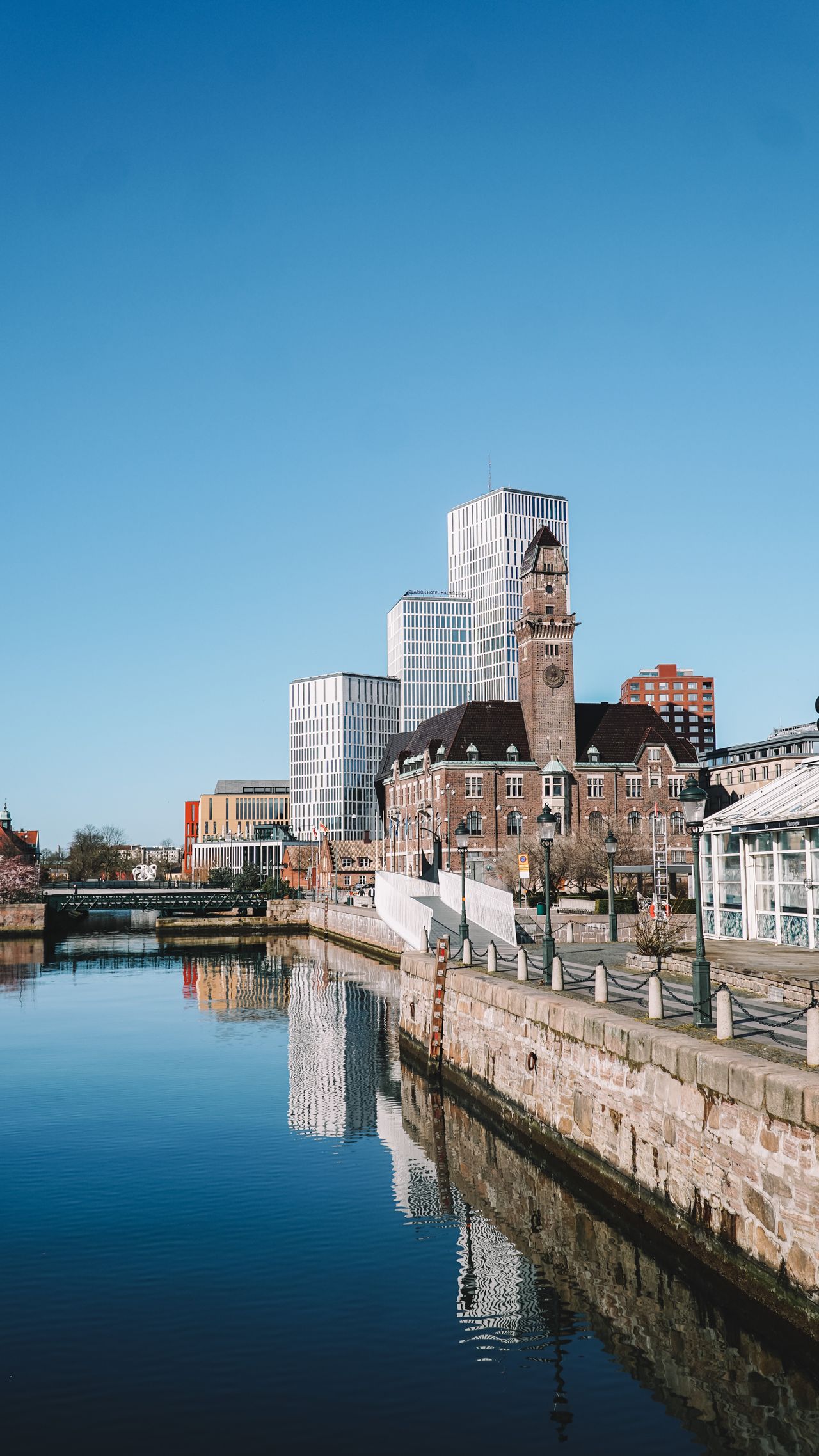
Malmö combines historic squares and traditional streets with contemporary waterfront developments, independent restaurants and a creative cultural scene.
One of its most recognisable landmarks is Turning Torso, the striking twisting skyscraper that has become a symbol of the city’s modern identity.
Visitors can explore the old town, relax in the city’s parks, discover local food markets and enjoy the lively atmosphere of neighbourhood cafés.
Malmö also provides access to the wider region of Skåne, known for its fertile countryside, coastal scenery, historic castles and attractive seaside communities.
The southern coastline offers sandy beaches and charming villages, while the countryside is dotted with farm shops, galleries and restaurants highlighting local produce.
For international visitors, Malmö is an excellent introduction to southern Sweden. It can also serve as a convenient starting point for a wider journey through the Nordic countries.
Swedish Culture: Traditions, Design and the Art of Living Well
Sweden’s appeal is not limited to its landscapes. The country’s cultural identity, design traditions and everyday approach to living are central to the visitor experience.
Swedish design is internationally recognised for its clean lines, practical functionality and understated elegance. From furniture and fashion to architecture and interior design, there is a strong emphasis on quality, craftsmanship and the use of natural materials.
Visitors can explore this heritage in Stockholm’s design shops, museums and galleries, as well as in the independent boutiques found in smaller cities and towns.
Another important part of Swedish life is fika, the tradition of taking a break to enjoy coffee and something sweet, often in the company of friends or colleagues. More than a simple coffee break, fika reflects a cultural appreciation for slowing down and making time for everyday pleasures.
Food is also an important expression of Swedish heritage. Traditional dishes such as meatballs, gravlax, crispbread and seasonal berry desserts sit alongside a modern culinary scene that embraces local ingredients and contemporary techniques.
The Swedish summer is marked by Midsummer celebrations, when communities gather to enjoy traditional food, music, dancing and the long northern daylight.
These cultural experiences allow visitors to understand Sweden beyond its famous scenery. They reveal a country where heritage and innovation coexist, and where the quality of everyday life is often valued as highly as extraordinary experiences.
Swedish Cuisine: From Nordic Fine Dining to Fresh Coastal Seafood
Sweden has developed a compelling culinary identity that combines traditional recipes, seasonal produce and contemporary Nordic gastronomy.
For international visitors, food offers another reason to explore the country. In Stockholm and Gothenburg, restaurants range from relaxed neighbourhood establishments to sophisticated dining rooms showcasing creative interpretations of Swedish ingredients.
Seafood is a particular highlight. Along the west coast, shellfish, prawns, oysters and freshly caught fish feature prominently on restaurant menus. The coastal setting makes it possible to combine excellent meals with beautiful waterfront surroundings.
In the countryside, seasonal ingredients take centre stage. Wild mushrooms, berries, game, root vegetables and locally produced dairy products reflect the changing seasons and the close relationship between Swedish cuisine and its natural environment.
Traditional dishes remain an important part of the experience. Swedish meatballs served with potatoes, cream sauce and lingonberries are internationally recognised, while gravlax and other preserved fish dishes reflect the country’s long maritime traditions.
Travellers visiting in summer may encounter fresh strawberries, new potatoes and dishes associated with Midsummer celebrations. In autumn, forests and fields provide ingredients for hearty seasonal menus.
For luxury travellers, Sweden offers the opportunity to combine fine dining with regional exploration. A journey might include a celebrated restaurant in Stockholm, a seafood-focused evening on the west coast and a countryside meal featuring locally sourced ingredients.
The result is a culinary experience that feels both sophisticated and deeply connected to place.
Sweden in Summer: Long Days and Endless Possibilities
Summer is one of the most attractive seasons for visiting Sweden. As temperatures rise and daylight hours lengthen, cities, islands and countryside destinations take on a particularly inviting atmosphere.
In the south, visitors can enjoy beaches, outdoor dining and coastal walks. Stockholm becomes a city of waterfront cafés, boat excursions and long evenings, while the archipelago offers opportunities for swimming, sailing and island hopping.
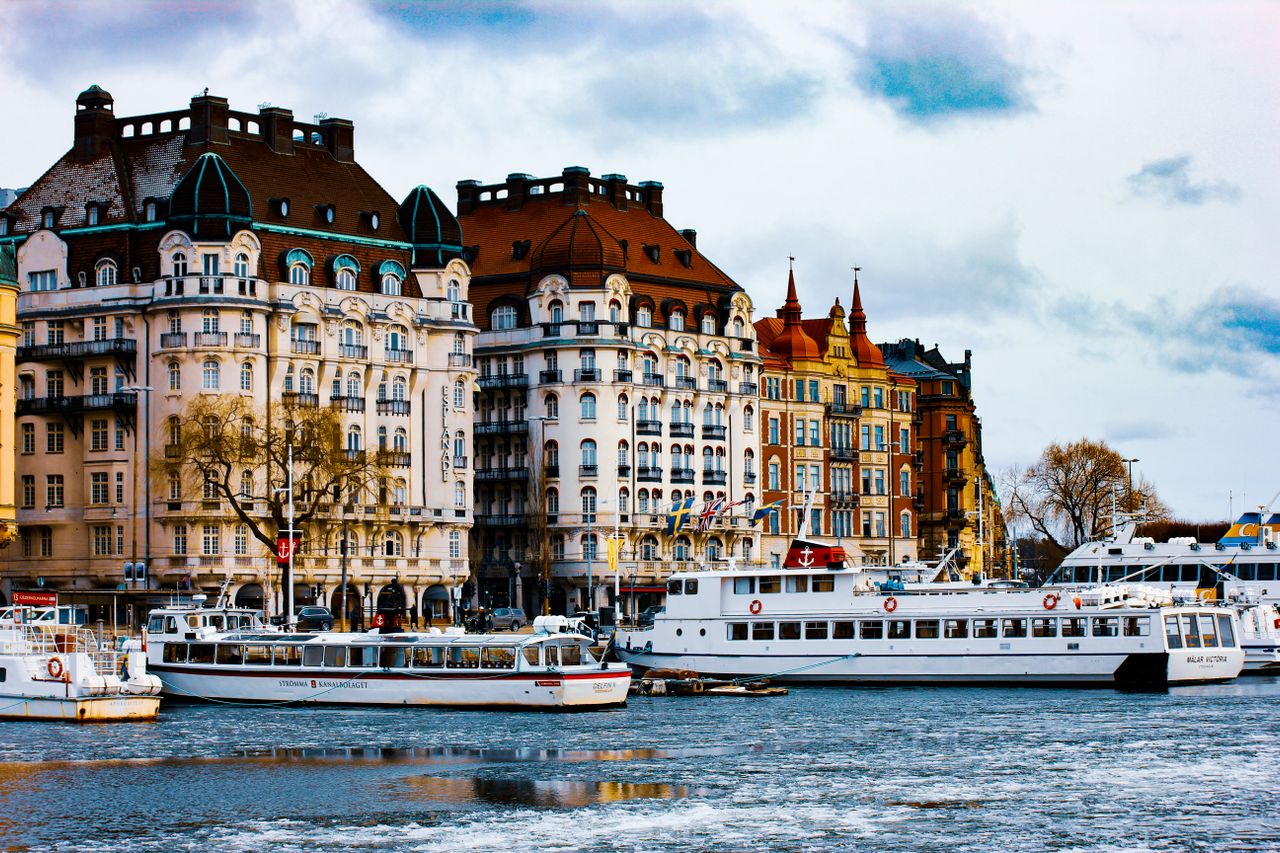
Further north, the days become exceptionally long. In areas above the Arctic Circle, the midnight sun allows outdoor activities to continue late into the evening, creating a distinctive experience that is difficult to find in most other parts of Europe.
Summer is also an excellent season for exploring Sweden by car. Scenic routes connect historic towns, rural villages, lakes and coastal destinations, allowing travellers to build a holiday around their own interests.
For families, the season offers opportunities for cycling, canoeing, wildlife observation and outdoor adventures. Couples may prefer a secluded island retreat or a romantic stay beside a quiet lake.
Summer is also the best time to experience many of Sweden’s seasonal traditions, including Midsummer festivities and the relaxed outdoor lifestyle for which the country is known.
For travellers seeking a combination of nature, culture and comfortable temperatures, the Swedish summer offers considerable variety.
Sweden in Winter: Snow, Stillness and Arctic Magic
Winter reveals a completely different side of Sweden.
In the north, forests and mountains become covered in snow, lakes freeze and the Arctic landscape takes on an almost otherworldly beauty. The darker months provide opportunities to see the Northern Lights, while snow-based activities make Swedish Lapland a destination for adventurous travellers.
A winter holiday might include dog sledding through snowy forests, visiting an ice hotel, joining a guided wilderness excursion or relaxing in a sauna after a day outdoors.
The mountain resorts offer skiing and snowboarding, while cities such as Stockholm provide a more cultural winter experience with museums, restaurants, historic neighbourhoods and seasonal events.
For those seeking a quieter escape, a cabin in the forest or a remote lodge can provide a welcome contrast to everyday life. Evenings can be spent beside a fire, enjoying local food and watching the snow settle across the surrounding landscape.
Winter travel requires more careful planning than a summer visit, particularly in northern regions where temperatures can be very low and daylight hours are limited. However, for travellers who appreciate seasonal contrasts and unusual experiences, winter can be one of the most rewarding times to visit Sweden.
Luxury Accommodation in Sweden: Where Comfort Meets Nature
Sweden offers an appealing range of accommodation for travellers who want to combine distinctive surroundings with comfort and quality.
In Stockholm, elegant city hotels provide access to the capital’s restaurants, museums, shopping districts and waterfront attractions. Boutique properties and design-led hotels are particularly suited to visitors who appreciate Scandinavian aesthetics.
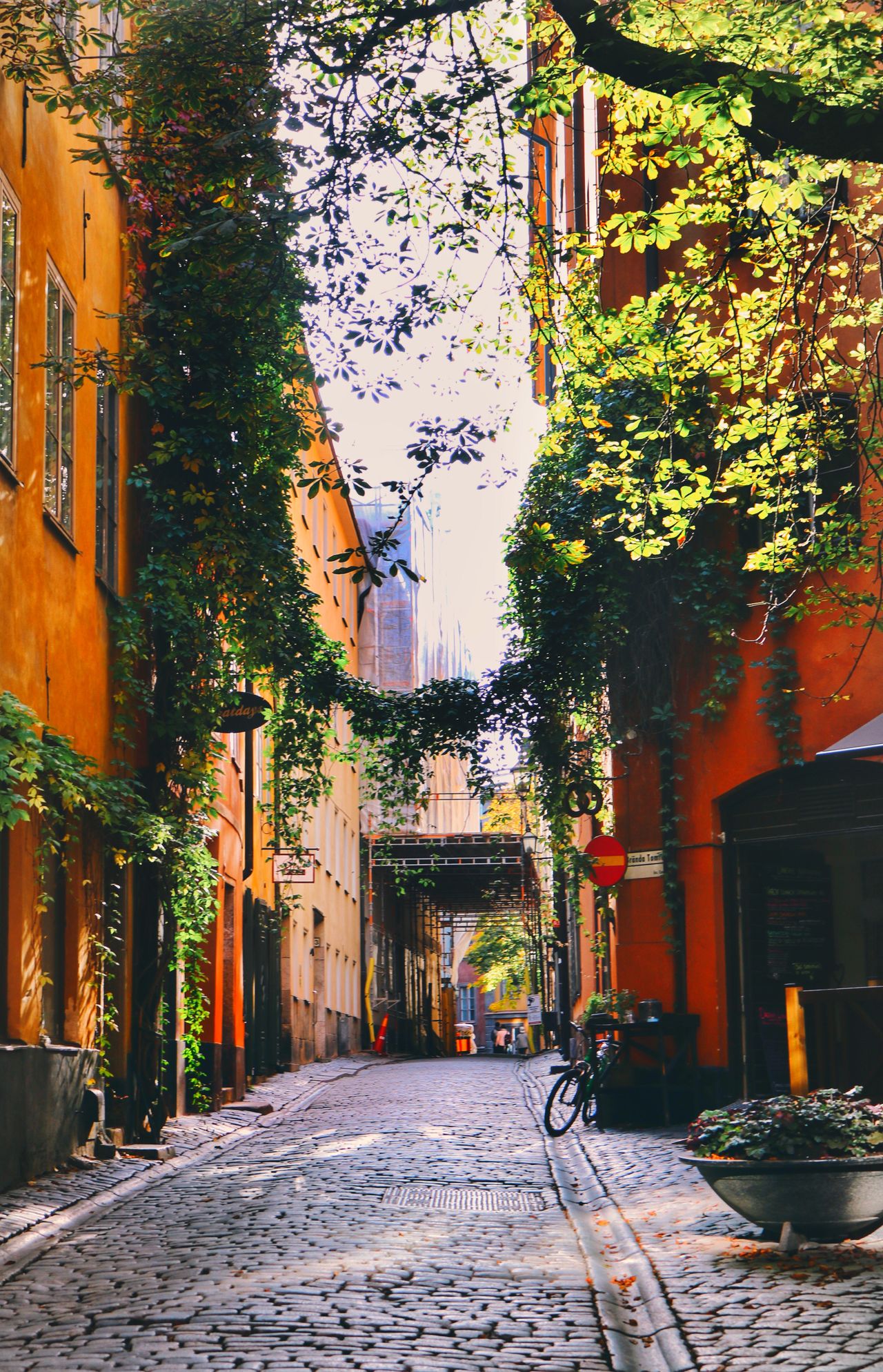
Along the coast, historic hotels, island guesthouses and private villas offer opportunities to experience Sweden’s maritime landscapes at a relaxed pace.
In the countryside, architectural retreats, lakeside houses and secluded lodges allow guests to enjoy privacy and direct access to nature. Many properties emphasise natural materials, large windows and understated interiors that complement their surroundings.
Swedish Lapland provides some of the country’s most unusual accommodation experiences, including ice-based rooms, remote wilderness lodges and cabins designed for Northern Lights viewing.
For travellers who value wellness, sauna experiences are an important part of the Swedish holiday. A traditional sauna beside a lake, followed by a refreshing dip in the water, can be a memorable highlight of a countryside stay.
The appeal of luxury in Sweden often lies in the relationship between accommodation and environment. Rather than focusing solely on grandeur, many of the most rewarding stays combine thoughtful design, tranquillity, privacy and access to exceptional surroundings.
Wildlife and Outdoor Adventures: Discover Sweden’s Natural Richness
Sweden’s extensive forests, lakes, mountains and coastlines provide habitats for a wide range of wildlife.
Visitors may encounter moose in forested areas, observe birds in wetlands and coastal reserves, or join guided excursions to learn about the animals and ecosystems of the Nordic region.
In northern Sweden, the Arctic environment supports reindeer and a range of wildlife adapted to the region’s seasonal conditions. Guided experiences can offer insights into the landscape while helping visitors understand the importance of responsible wildlife observation.
The country’s natural areas also provide opportunities for hiking, cycling, canoeing, fishing and kayaking.
One of Sweden’s distinctive outdoor traditions is the right of public access, known as allemansrätten. Subject to important responsibilities and restrictions, this principle allows people to enjoy much of the countryside, provided they respect nature, wildlife, landowners and local rules.
For visitors, this creates opportunities to experience the landscape beyond conventional tourist attractions. A quiet forest trail, a secluded lakeshore or a peaceful picnic beside the water can become a memorable part of a Swedish holiday.
Those seeking more structured adventures can arrange guided hikes, private boat excursions and specialist wildlife experiences with local operators.
The key is to choose activities that match the season, respect the environment and allow sufficient time to appreciate the surroundings.
Planning Your Swedish Holiday: When to Visit and Where to Go
Sweden is a year-round destination, but the best time to visit depends on the experiences you want to enjoy.
Summer, from June to August, is ideal for exploring the archipelagos, enjoying coastal towns, discovering the countryside and experiencing the long northern days. It is also the main season for many outdoor activities and traditional summer celebrations.
Autumn, from September to November, brings colourful forests, quieter destinations and opportunities for seasonal food experiences. In the north, the darker evenings also mark the return of the Northern Lights viewing season.
Winter, from December to March, is best suited to snow-based adventures, skiing, Arctic accommodation and Northern Lights trips. Conditions vary considerably between southern and northern Sweden, so itineraries should reflect regional weather and daylight.
Spring, from April to May, offers changing landscapes, emerging greenery and a quieter atmosphere in many destinations, although snow may remain in the northern mountains.
For a first visit, Stockholm is an excellent starting point, particularly for travellers interested in culture, dining, shopping and the archipelago. Those seeking Arctic adventures should consider Swedish Lapland, while the west coast is ideal for seafood, island life and relaxed summer travel.
A longer holiday can combine several regions, but Sweden is a large country. Allowing enough time for travel between destinations will create a more enjoyable experience than attempting to see everything in one trip.
Why Sweden Belongs on Your Luxury Travel Bucket List
Sweden offers something increasingly valuable in modern travel: the opportunity to experience remarkable places without constantly feeling rushed.
Its cities combine culture, design and gastronomy, while its islands, forests and mountains provide space for adventure and relaxation. From the elegance of Stockholm to the remote wilderness of Swedish Lapland, the country offers an impressive variety of experiences within a single destination.
Luxury can take many forms here. It may mean a private boat trip through the archipelago, a memorable meal prepared with local ingredients, a beautifully designed cabin beside a lake or the rare privilege of watching the Northern Lights from a peaceful Arctic retreat.
Sweden is equally rewarding for couples, families, outdoor enthusiasts and travellers with a passion for culture. Its seasonal contrasts mean that every visit can offer a different perspective, whether you arrive during the bright days of summer or the snowy stillness of winter.
For international travellers looking beyond the usual European holiday destinations, Sweden deserves a place high on the list.
It is a country where natural beauty, thoughtful design, rich traditions and modern sophistication come together to create a Scandinavian holiday that feels both extraordinary and refreshingly authentic.
Discover Sweden, and experience a destination where the journey is as rewarding as the places you visit.